
Last updated November 14, 2026
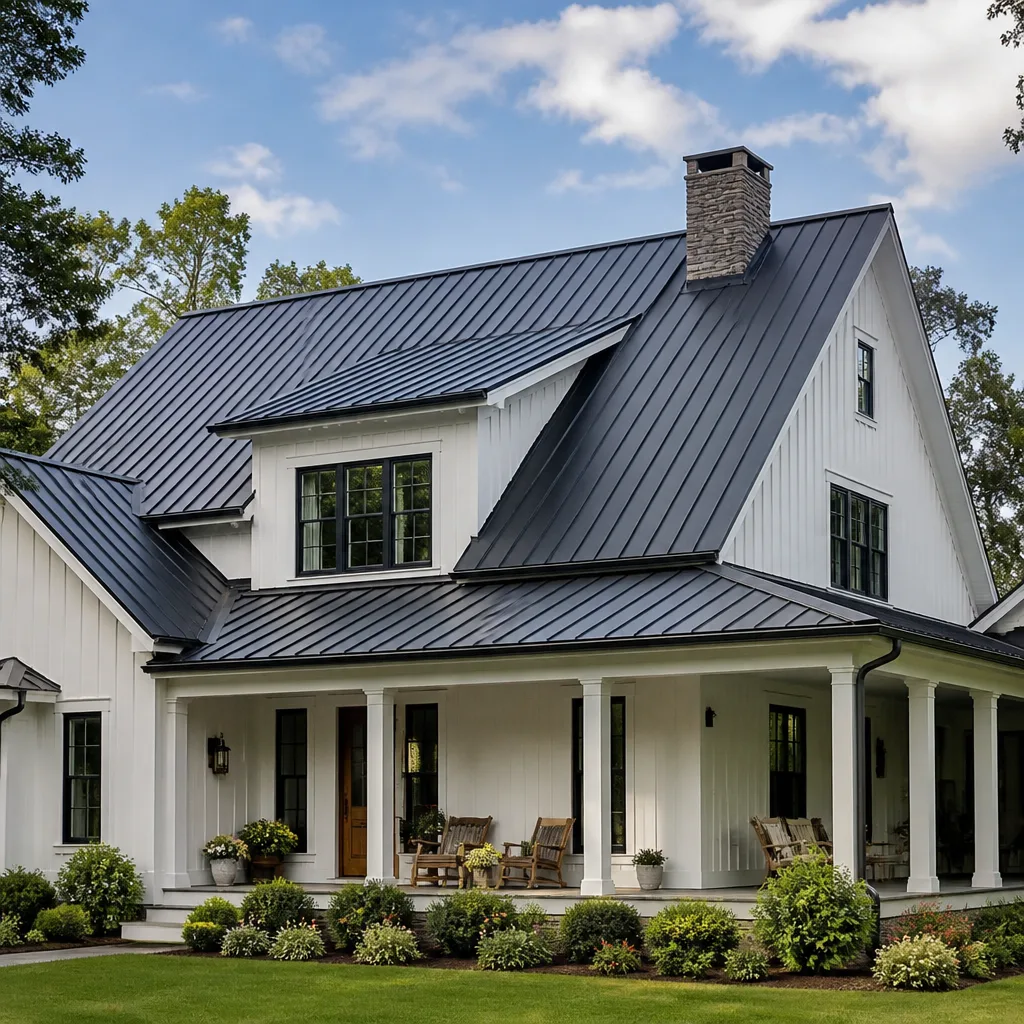 Metal roofing
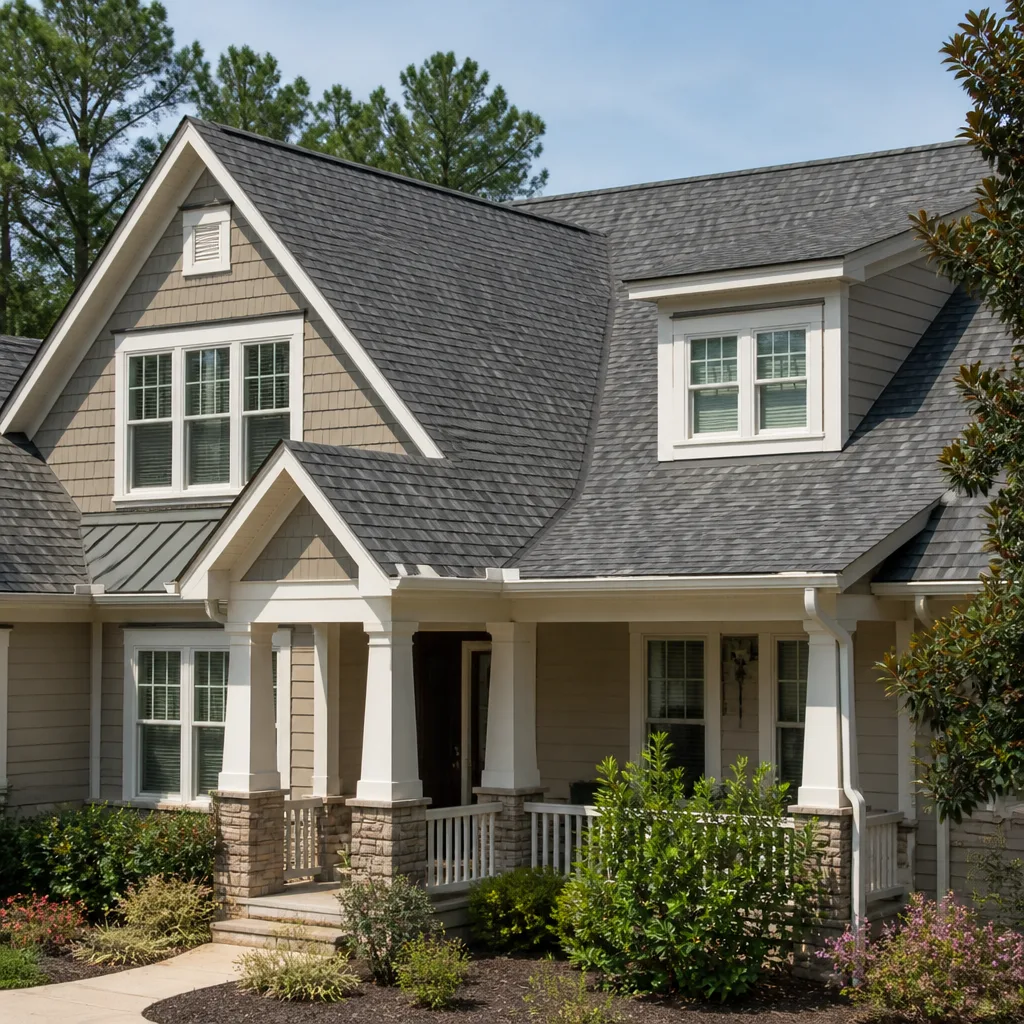 Architectural shingles
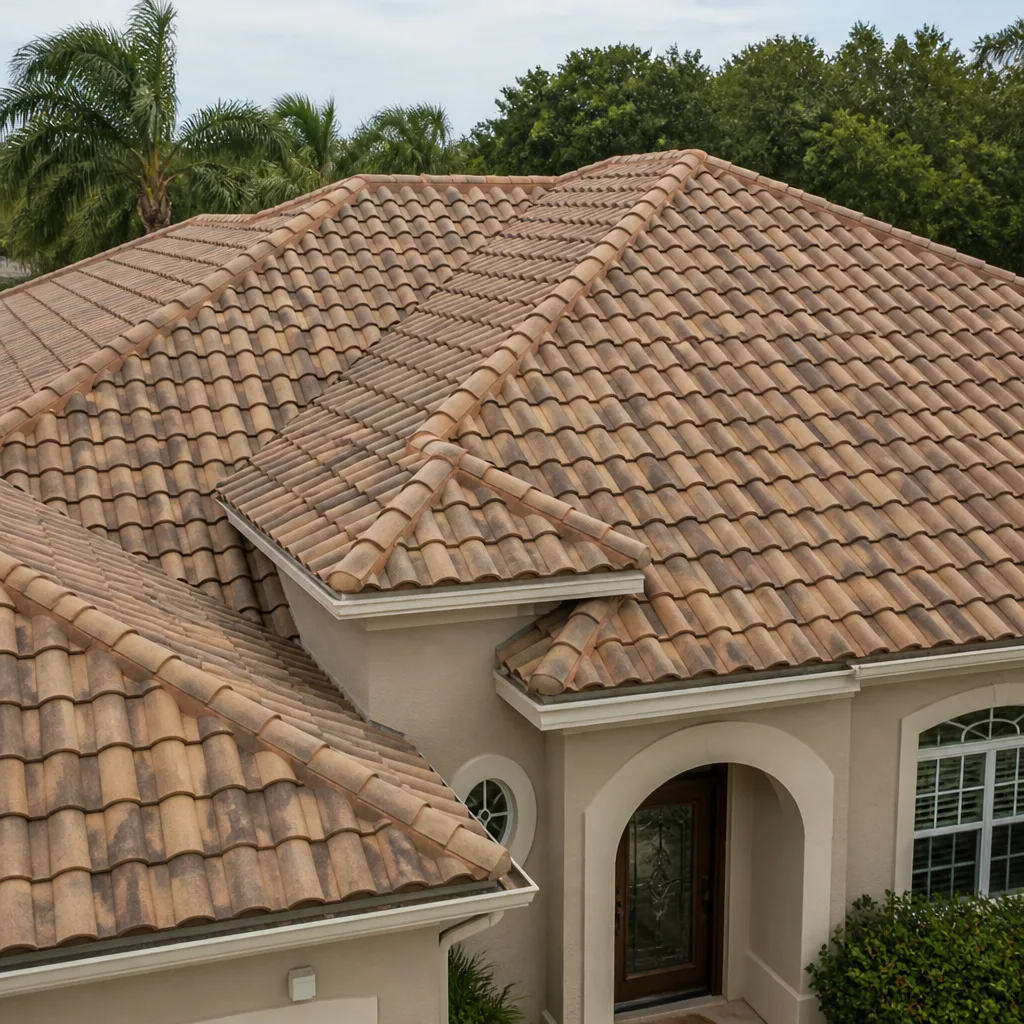 Tile roofing
 GAF
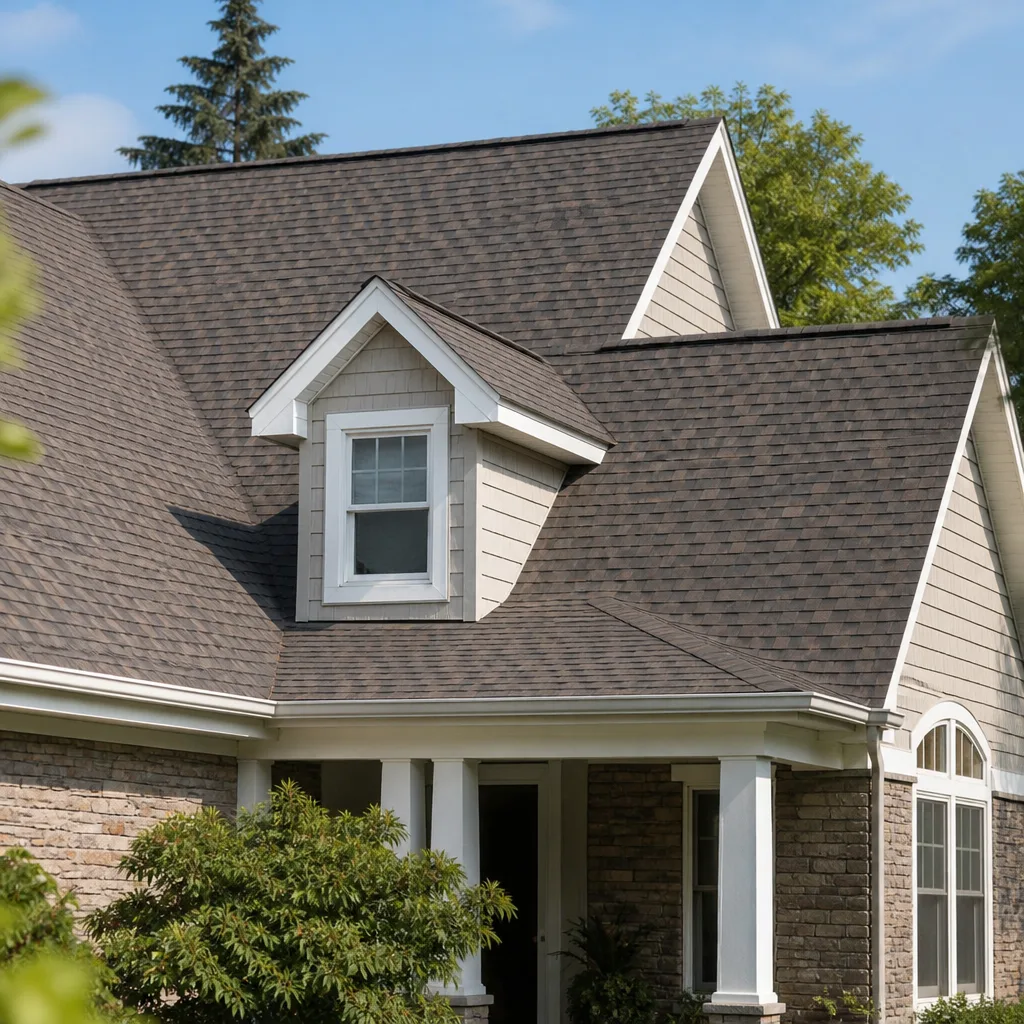 Owens Corning
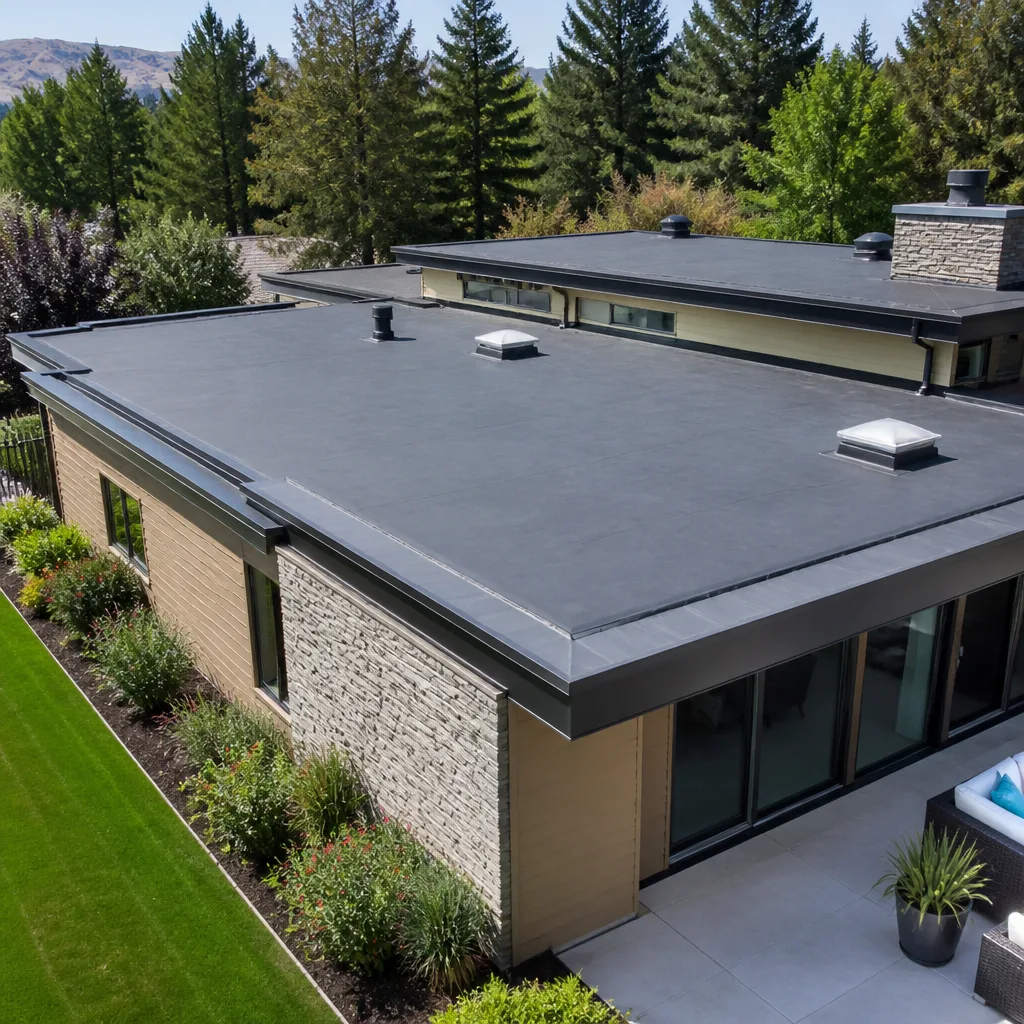 Flat & low-slope
Free roof inspection with deck photos before we talk money - GAF and Owens Corning certified installation
DIY vs Professional Roofing: The Rochester Homeowner’s Decision Guide
Most homeowners frame the do-it-yourself versus hire-it-out question as a test of nerve. Can you handle a ladder, a nail gun, and a weekend on a steep pitch? That framing misses what actually decides whether DIY pays off. The real math is liability: what a self-installed roof does to your manufacturer warranty, your homeowner’s insurance coverage, your permit standing, and your exposure if a helper gets hurt. A Rochester homeowner who saves a few thousand dollars in labor can quietly give up far more than that in coverage the moment the work is done by an uncertified hand. This guide runs the honest numbers, task by task, so you can see exactly where DIY saves money in Rochester, NY and where it costs you.
Quick Answer
For most Rochester homeowners, professional roofing is the better financial call on anything beyond minor repairs, because manufacturer warranties, insurance coverage, and permit rules all hinge on who performs the installation. DIY makes sense for a narrow band of small tasks: reseating a gutter run, replacing a single damaged shingle, or sealing a small flashing joint on a low, safely accessible roof. Anything involving the full field of the roof, steep pitch work, or a replacement installation belongs with a licensed professional who can warranty the work and pull the permit.
Styles & brands we work with
- Architectural shingles
- Metal roofing
- Tile roofing
- GAF
- Owens Corning
- Flat & low-slope
Table of Contents
- Why this is a liability question, not a skill question
- The DIY tasks that genuinely make sense
- The work that creates real liability
- New York licensing rules and homeowner-performed work
- How warranties define certified installation
- The real labor cost breakdown
- Fall protection on Rochester roof pitches
- What Rochester weather does to a roof
- Common mistakes to avoid
- When to call a professional
Why This Is a Liability Question, Not a Skill Question
Plenty of capable homeowners can drive a nail straight and cut a clean shingle line. Skill isn’t the bottleneck. The bottleneck is what happens after the last nail goes in. A roof is one of the few home systems where the paperwork matters as much as the workmanship. The warranty, the insurance rider, the permit record, and the resale disclosure all attach to who did the installation and how it was documented.
That changes the calculation. When you hire a roofer, part of what you’re paying for is the paper trail: a certified installation that keeps the manufacturer warranty live, a permitted job that passes inspection, and a workmanship guarantee you can call on if something leaks. When you do it yourself, you keep the labor savings and take on every one of those obligations personally.
In our experience across Rochester, the homeowners who regret going DIY aren’t the ones who lacked the skill. They’re the ones who finished a solid-looking roof and then discovered the warranty was void, the insurer had questions, or a small error at a valley wasn’t covered by anyone but them.
- Labor savings: real and immediate.
- Warranty coverage: often lost on a non-certified install.
- Insurance standing: can be affected by unpermitted or self-performed work.
- Injury exposure: entirely yours on a DIY job.
The question isn’t “can I do this?” It’s “what am I giving up to do this?” For a five-minute gutter fix, the answer is nothing. For a full replacement, the answer can be a great deal.
The DIY Tasks That Genuinely Make Sense
There’s a real list of roofing work that a careful homeowner can handle without creating liability. These are small, low-risk, and don’t touch the warranty terms of an existing installation. Here’s where DIY earns its place:
- Reseating or re-hanging a gutter run. A gutter that’s pulled loose from a fascia board is a straightforward reattach with the right hanger. No roofing membrane is disturbed.
- Replacing a single damaged shingle. If one shingle is cracked or lifted after a wind event and the surrounding field is sound, a matching replacement is a contained repair.
- Sealing a small flashing joint. A bead of proper roof sealant at a low, safely reachable penetration can stop a minor drip. This is a stopgap, not a fix, and it should be inspected if it keeps recurring.
- Clearing debris from valleys and behind chimneys. Removing leaves and branches that trap water is maintenance, not roofing, and it’s genuinely useful in Rochester’s tree-heavy neighborhoods.
- Clearing ice dams from the ground with a roof rake. Safe from below, effective, and keeps you off the roof entirely.
Notice the pattern. Every item on that list is small, reachable from a stable position, and doesn’t require walking a steep pitch. Once a task needs you up on the field of the roof, on a slope, the calculus flips. The DIY list is short and it’s short for a reason.
The Work That Creates Real Liability
Some jobs carry consequences that outlast the savings. These are the tasks where a mistake isn’t a small repair, it’s a coverage problem:
- Full roof replacement. Any complete tear-off and re-roof should be permitted, inspected, and certified. Self-installing takes you out of all three.
- Valley and flashing work on a complex roof. These are the leak points that show up two winters later, when a warranty would have covered the fix.
- Any work over living space on a steep pitch. The fall risk is the dominant hazard here, and it’s not a risk you can insure away as a homeowner helper scenario.
- Decking repair and structural work. Rotted sheathing replacement touches structure. That’s a scope that belongs with a professional and a permit.
- Anything that voids an existing warranty. If the roof is under a manufacturer warranty, unapproved modification can end coverage on the whole field.
We’ve also learned that the boundary isn’t always obvious to a homeowner standing in the driveway. A “small leak” at a chimney can be a flashing repair or a sign the decking underneath has been wet for two seasons. That’s why a proper inspection is worth having before you decide. A roof inspection from Valor is a diagnosis, not a sales pitch, and it tells you whether you’re in DIY territory or professional territory.
New York Licensing Rules and Homeowner-Performed Work
New York State doesn’t license roofers at the state level the way some states do. Licensing and permitting are handled locally, which means the rules for a Rochester job come from the city and county, not a single statewide contractor board. That matters for how you think about DIY. When you perform work on your own owner-occupied home, you’re generally acting as the owner rather than a contractor, and the permit and inspection requirements still apply to the project itself.
So the practical question isn’t “am I licensed?” It’s “does this project need a permit, and will it be inspected?” Most municipalities require a permit for a roof replacement, structural decking work, and anything that changes the roof assembly. A minor repair usually doesn’t. The line between repair and replacement is where homeowners get into trouble, because a job that starts as a patch can become a re-roof once the tear-off reveals what’s underneath.
The honest move is to call your city’s building department before you start and ask directly whether your project needs a permit. That one phone call tells you more about your exposure than any online guide, including this one. If the project does need a permit, that’s a strong signal it’s a professional job, because the inspection is part of the value and the paper trail is what protects you at resale.
- Check first: call Rochester’s building department about permit requirements for your specific project.
- Know the trigger: replacement and structural work typically need permits; small repairs usually don’t.
- Document everything: if you do permitted work yourself, keep the inspection records for resale.
When permits are involved, a single contractor accountable from inspection through installation removes the hand-off gaps that create problems later. That’s the reasoning behind our Valor Roof Repair approach: one company, one point of responsibility.
How Warranties Define “Certified Installation”
Manufacturer warranties are specific about who installs the roof. Most shingle warranties are written for installations by a certified or approved contractor, and the strongest coverage tiers often require that certification. When a non-certified installer does the work, the warranty doesn’t necessarily vanish for material defects, but the enhanced coverage and the labor portions typically do. In plain terms: the shingles might still be covered as product, but the installation that failed isn’t.
This is where the DIY math gets uncomfortable. A homeowner saves labor on a replacement, then discovers the top tier of coverage was contingent on certified installation. The product warranty that remains covers a narrow slice of what can actually go wrong on a roof.
Material choice matters here too. We install and work with seven nationally recognized brands, including IKO, Atlas, Tamko, and Boral, alongside the premium lines. Because we’re not tied to one manufacturer, the recommendation is driven by your roof’s condition and your budget, not by what a single brand’s warranty program pushes. Choose your material. We install them all.
Before any DIY decision, read the warranty terms of the shingles currently on your roof, or the ones you’re considering. Ask one question: does this coverage require certified installation? If the answer is yes, DIY costs you the top tier of protection.
The Real Labor Cost Breakdown
The way to make this decision honestly is to run the numbers on both sides. A professional roof quote bundles labor, materials, disposal, permits, and warranty backing into one figure. A DIY project unbundles all of that and hands you the pieces. Here’s what a professional quote is actually paying for:
- Material: shingles, underlayment, flashing, fasteners, and ridge components.
- Labor: tear-off, decking inspection and repair, installation, and cleanup.
- Disposal: dumpster rental and haul-away of old material.
- Permits and inspection: filing, fees, and passing the final inspection.
- Warranty backing: manufacturer coverage plus workmanship coverage.
- Liability and workers’ coverage: the protection that comes with a licensed, insured professional.
On the DIY side, the costs that don’t show up in the “materials only” figure include tool rental, a dumpster, disposal fees, permit fees if the project needs them, safety equipment, and the value of your time. Materials alone can look like a big saving, but once you add disposal, permits, tools, and the value of a weekend on a steep pitch, the gap narrows. For a small repair, that gap stays comfortably in DIY’s favor. For a full replacement, it usually closes and sometimes reverses once you factor in the warranty coverage you give up.
The one figure no DIY budget captures is the cost of a mistake. A mis-nailed valley or a poor flashing detail shows up a season later, and by then the fix is another repair on a roof you just did. That’s the risk the professional labor line is quietly covering.
Fall Protection on Rochester Roof Pitches
OSHA fall protection standards are written for workers, and they’re the clearest window into why roof work is a professional trade. The standards apply to certain project types and to anyone performing work under those conditions, and they establish requirements for guardrails, safety nets, or personal fall arrest systems. As a homeowner, you may not be directly covered by the same enforcement, but the physics don’t care who’s on the roof. A fall from a steep pitch is the same fall whether you’re on a payroll or not.
Rochester’s housing stock makes this concrete. The city’s older neighborhoods have a lot of steep, multi-gable roofs, and the region’s snow and ice season means work happens in cold, slick conditions for much of the year. A roof you can walk flat in July can be a different surface in a cold snap.
This is one area where we won’t write a how-to. Fall protection is a system, it’s planned before you go up, and it’s not something to improvise from a ladder. If your project requires working on the field of the roof rather than reaching a small repair from a stable position, that’s the point to bring in a trained professional. Our technicians have up to 10 years of experience on Rochester roofs, and they work with proper fall protection as a baseline, not an option.
The practical test: if you can’t reach the repair from the ground, a ladder top, or a stable platform without stepping onto a slope, the work has moved into professional territory.
What Rochester Weather Does to a Roof
Rochester’s climate shapes every roofing decision, including this one. The freeze-thaw cycle is the dominant force. Water gets into small gaps, freezes, expands, and opens them wider by spring. That cycle punishes marginal roof details, which is why flashing and valleys matter so much here and why a small error can turn into a recurring leak.
Snow load and ice dams compound it. Ice dams form when heat escaping the house melts snow near the ridge and it refreezes at the eaves. That trapped water backs up under shingles. A homeowner can manage ice dams from the ground with a roof rake, and that’s worthwhile maintenance. But the underlying cause is usually attic insulation and ventilation, which is a diagnostic job, not a roofing one.
All of this means a Rochester roof takes more punishment over its life than a roof in a milder climate, so the quality of the installation matters more. A certified installation with a real warranty is worth more here than it might be in a mild region, because the roof will face more freeze-thaw cycles and more snow load. The DIY savings on a replacement look smaller against the cost of a detail that fails early under this climate.
Common Mistakes to Avoid
- Skipping the permit. A homeowner who replaces a roof without checking with the building department can inherit a problem at resale, since an unpermitted re-roof can become a buyer’s negotiating point. One call to the city clarifies it.
- Assuming the product warranty is the whole warranty. Material coverage is only one piece. The labor and installation coverage is what gets pulled when a non-certified installer does the work.
- Chasing a small leak on a steep pitch without a safety plan. A leak that’s reachable from a stable position is a repair. A leak that requires walking the field of the roof is a professional job, and the fall risk is the reason.
- Replacing shingles over wet or rotted decking. A DIY re-roof that covers up soft sheathing traps moisture and sets up a failure two winters later. Decking repair needs to be discovered, not covered.
- Buying materials before the diagnosis. A homeowner who buys shingles before confirming where the leak originates often installs a new roof over the wrong problem. Inspect first, buy second.
- Overlooking the attic. Many “roof leaks” in Rochester homes trace back to ventilation and ice dams, not a failed shingle. Fixing the roof without addressing the attic leaves the cause in place.
- Ignoring a second opinion. A single quote that jumps straight to replacement, with no discussion of repair, is worth checking against a repair-first assessment. Not every damaged roof needs a full replacement.
When to Call a Professional
Call a professional when the work touches the field of the roof, requires walking a steep pitch, or involves a full replacement. Also call when you’re not sure: an honest inspection settles it. A leaking valley, soft decking, a chimney flashing detail, or any roof over living space on a steep slope are all professional territory. A repair-first assessment is cheaper than a DIY mistake, and it tells you whether the job is a targeted fix or a full re-roof before you’ve bought anything.
If you’ve already done DIY work and something’s not right, an inspection is the place to start. Our reputation on roof repair is built on telling you exactly what the roof needs and nothing more. For a full replacement, our roof replacement work carries seven brand options so the material fits your roof and your budget. Valor Roof Repair offers free estimates in Rochester. Call (855) 473-8654. We answer 24/7. Fast dispatch from 7am to 7pm, Sunday through Friday.
See the difference
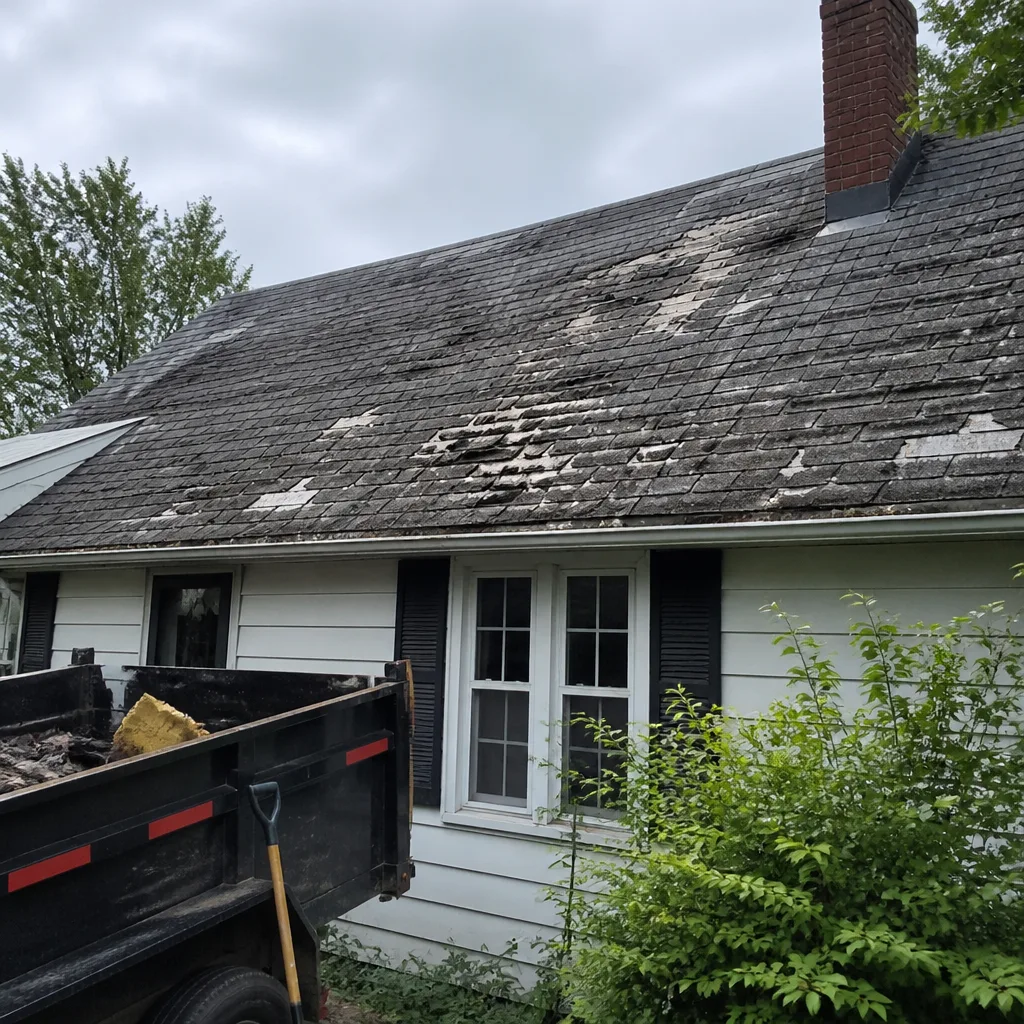 Before
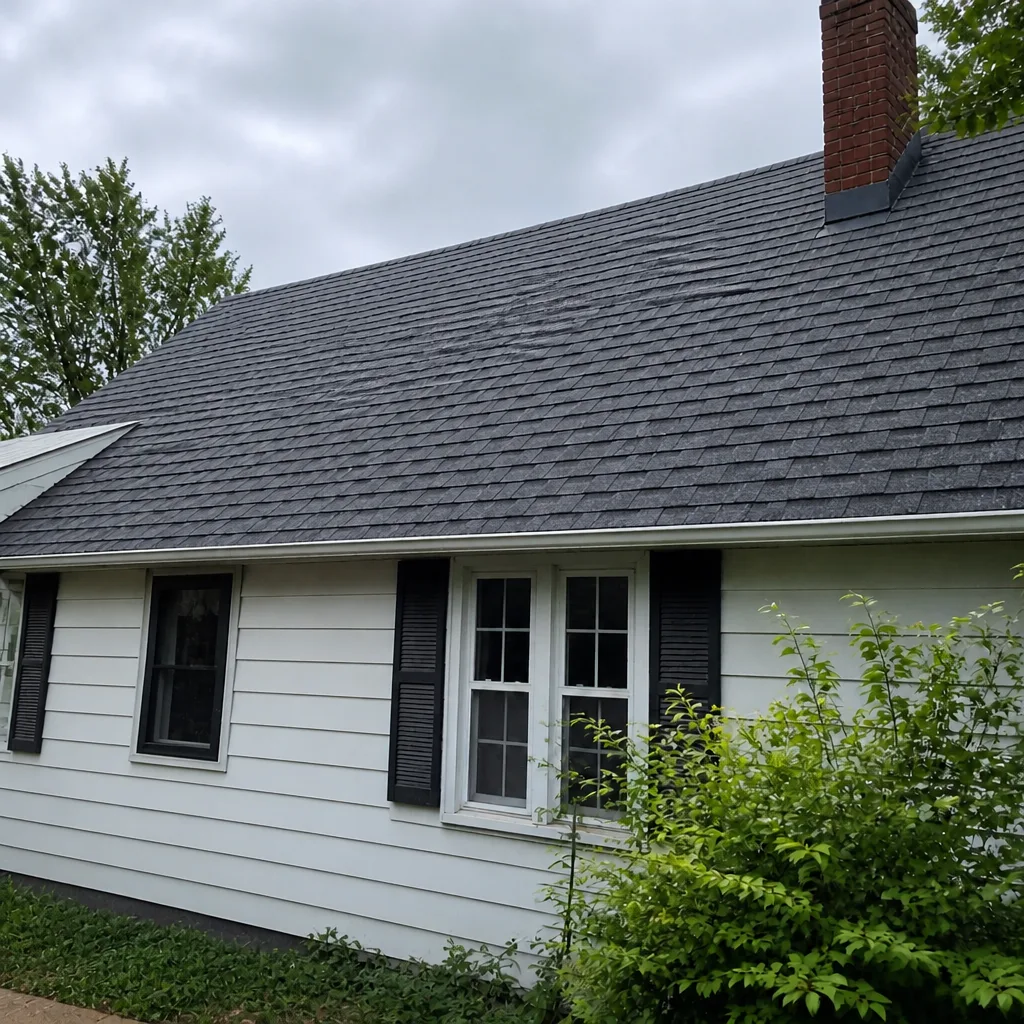 After
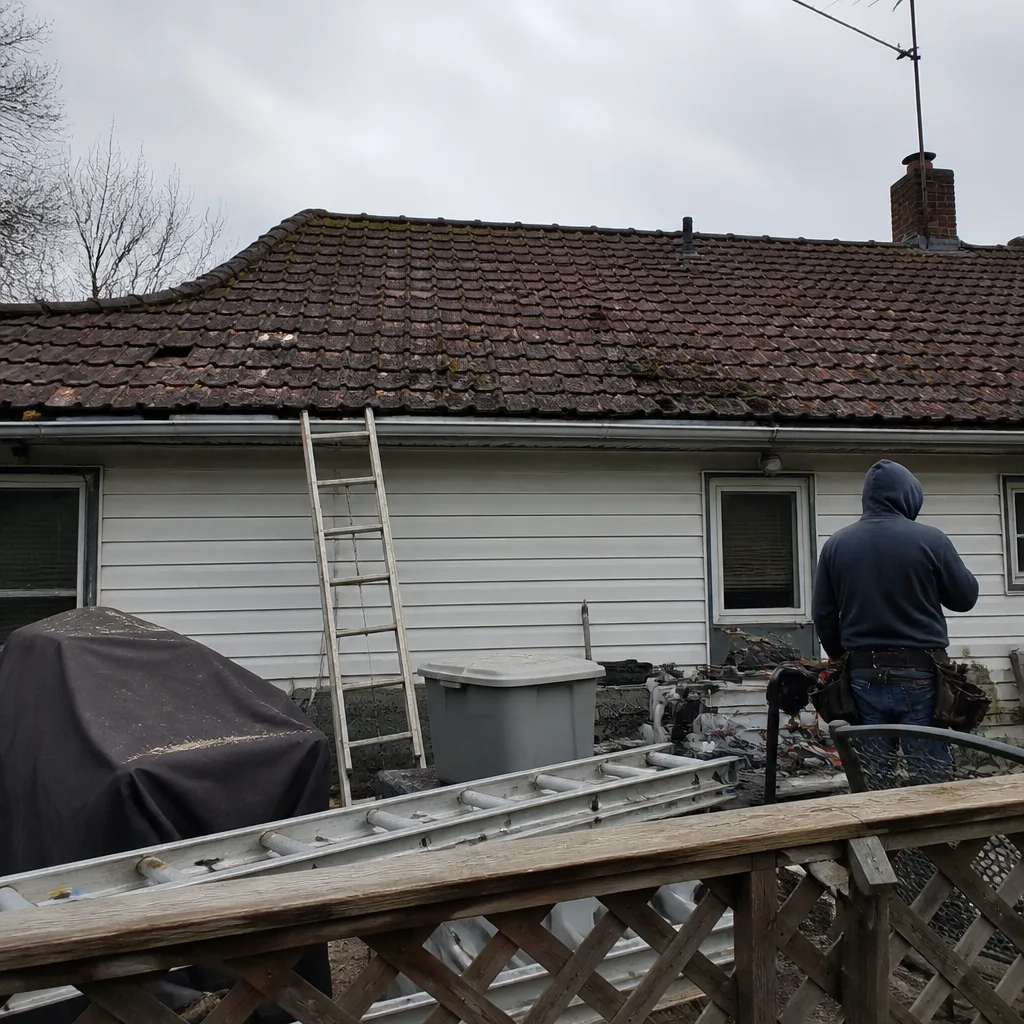 Before
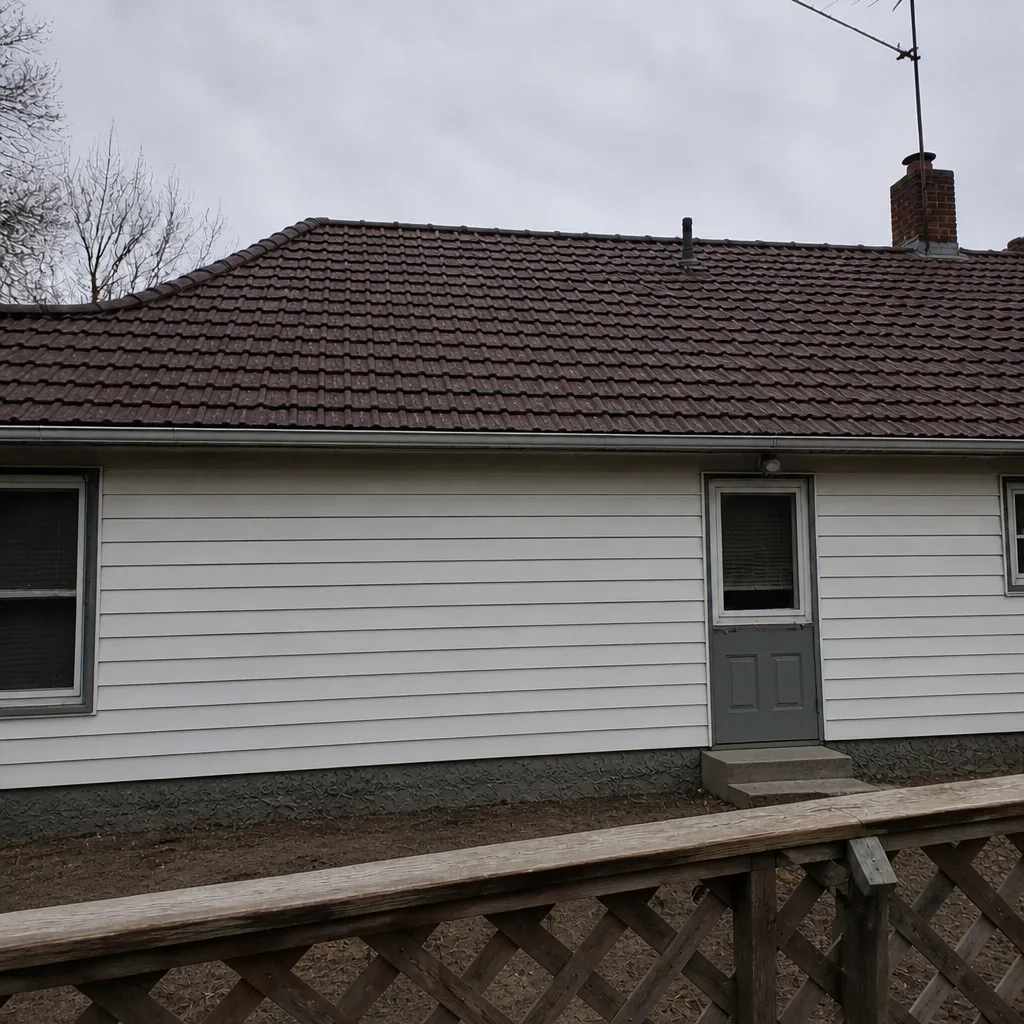 After
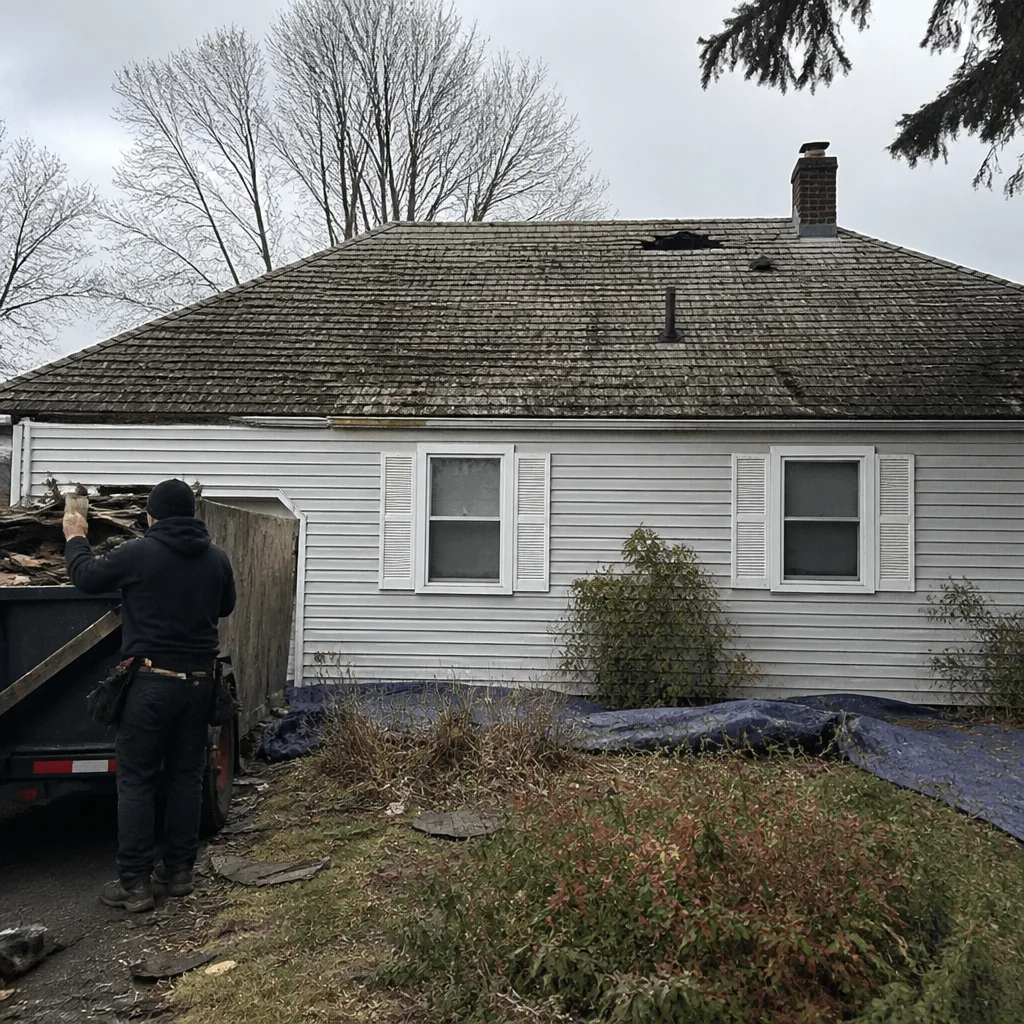 Before
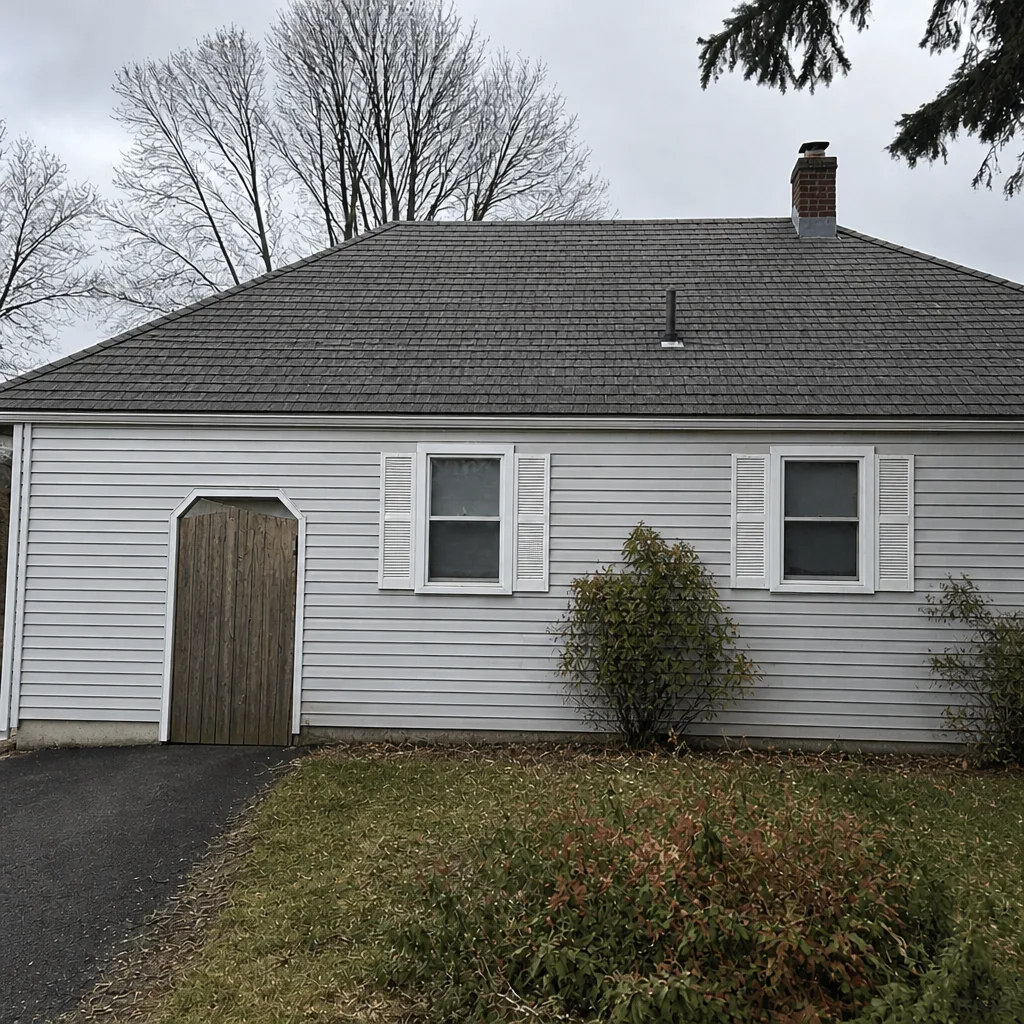 After
Frequently Asked Questions
Usually not the top tier of coverage. Most manufacturer warranties condition their enhanced and labor coverage on certified professional installation, and a self-installed roof typically loses that portion. The product warranty may still apply to material defects, but the installation coverage that actually protects you is what gets dropped. If the warranty matters to you, have a professional do the install.
It saves money on small repairs and costs you money on replacements, once you account for warranty coverage, permits, disposal, and fall risk. A gutter reseat or a single-shingle swap is a clear win. A full tear-off and re-roof is where the warranty and coverage losses outweigh the labor savings. Get a written line-item quote to see the actual gap on your project.
Most municipalities require a permit for a roof replacement, so call the city’s building department before starting. New York handles licensing locally rather than at the state level, so the requirement comes from your city and county. Asking the building department directly is the only answer that applies to your specific project.
A repair addresses a specific, contained problem like flashing, a single shingle, or a small leak. A replacement addresses the full field of the roof or a widespread failure. The line matters because it drives permits and warranty coverage. If a tear-off reveals decking damage, a repair can turn into a replacement mid-project, which is why a proper diagnosis first is worth the time.
OSHA standards require proper fall protection on applicable project types, including guardrails, nets, or a personal fall arrest system. As a homeowner you may not face the same enforcement, but the fall risk is identical and Rochester’s steep, multi-gable roofs and cold seasonal conditions make it serious. If you need to step onto a slope, bring in a trained professional.
Coverage for self-performed work can be limited, so check with your insurer before starting. Many policies treat unpermitted or self-installed work differently from licensed professional work, and a leak traced to improper installation may not be covered. A licensed, insured professional installation keeps the coverage path clean.
The Bottom Line
Rochester’s DIY-versus-professional roofing question is decided by liability, not nerve. Small repairs like a gutter reseat or a single-shingle swap save real money and carry little risk. Full replacements and any work on a steep pitch carry warranty, insurance, permit, and fall risks that usually cost more than the labor savings. The rule of thumb: if the work needs a permit, touches the field of the roof, or requires stepping onto a steep slope, it belongs with a licensed professional who can warranty the job and document it. For anything in between, an honest inspection settles it before you spend. Valor Roof Repair offers free estimates in Rochester, and we’ll tell you whether a repair will do the job or whether it’s genuinely time to replace. Call (855) 473-8654. We answer 24/7. Fast dispatch from 7am to 7pm, Sunday through Friday. The written estimate sets the final price, and there are no change orders.
Written by the team at Valor Roof Repair.