
Last updated November 14, 2026
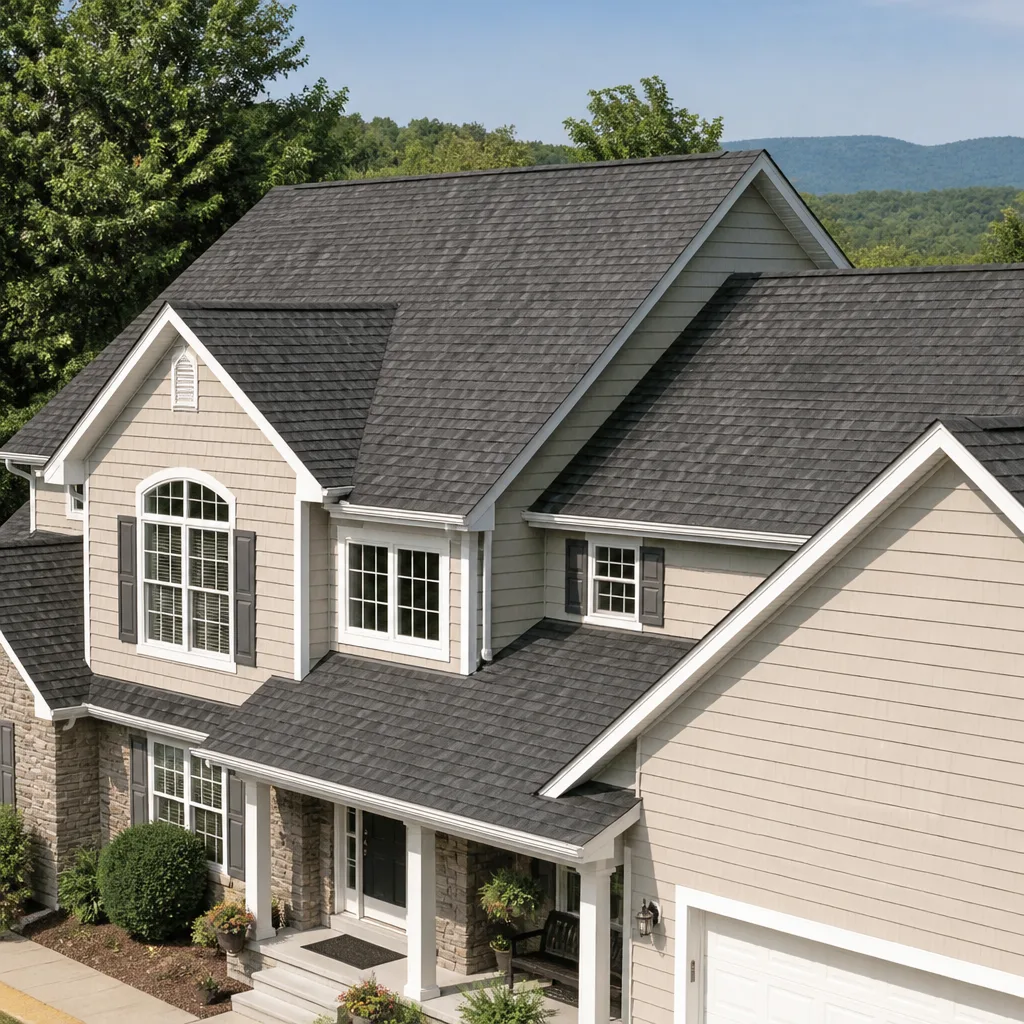
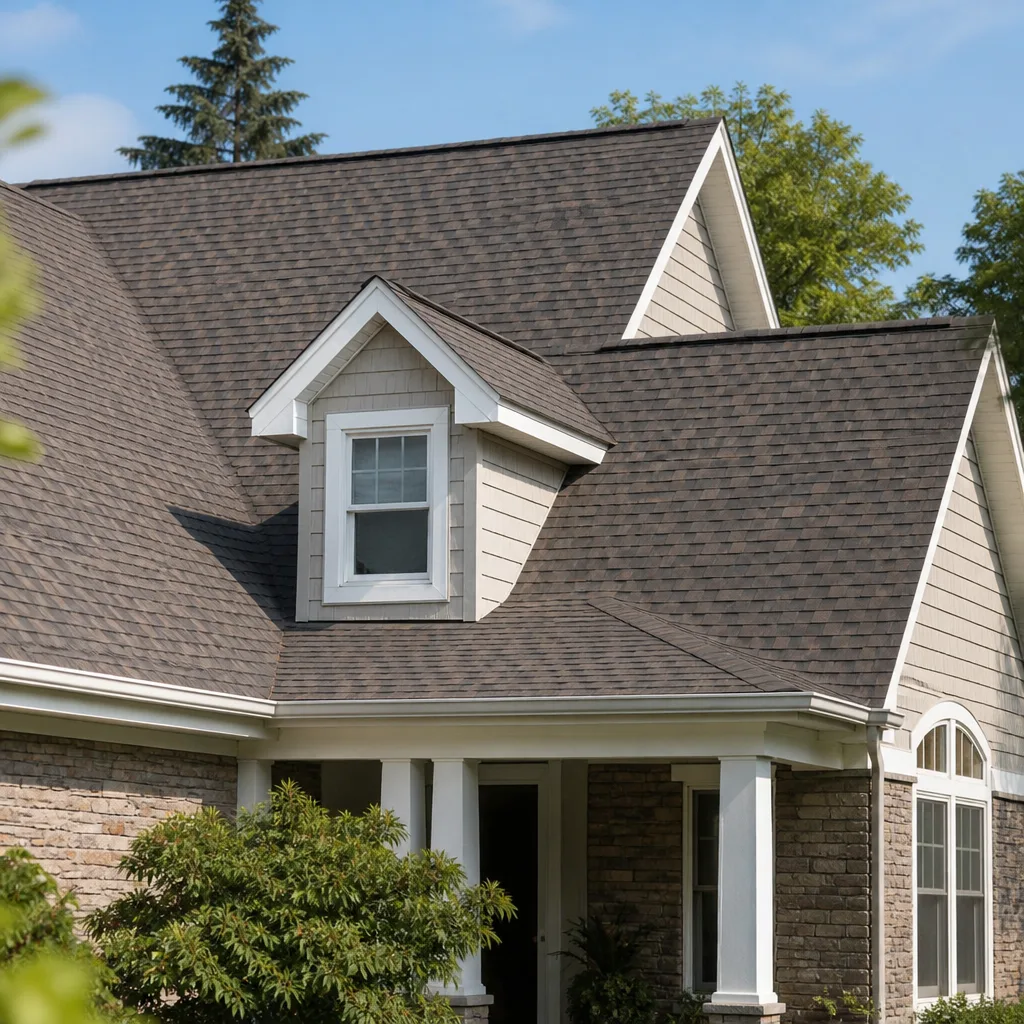
 Architectural shingles
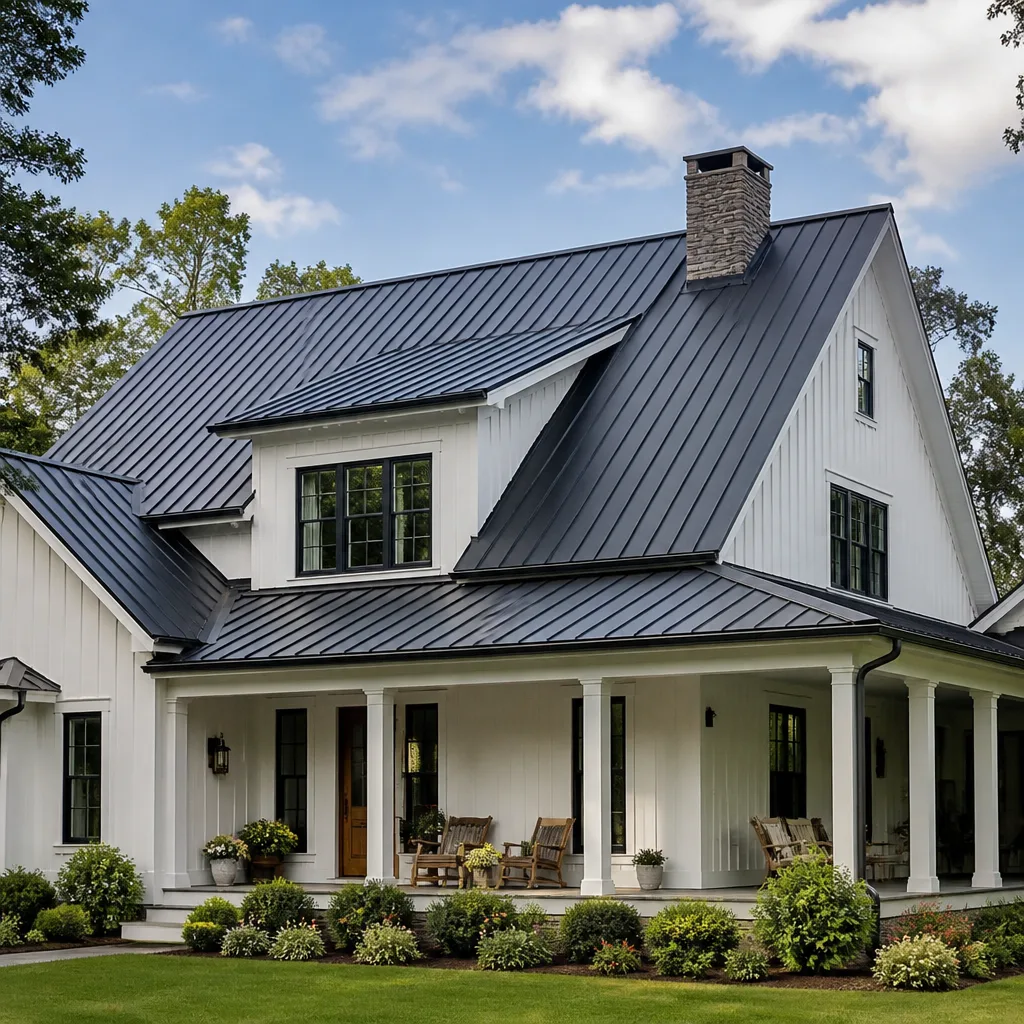 Metal roofing
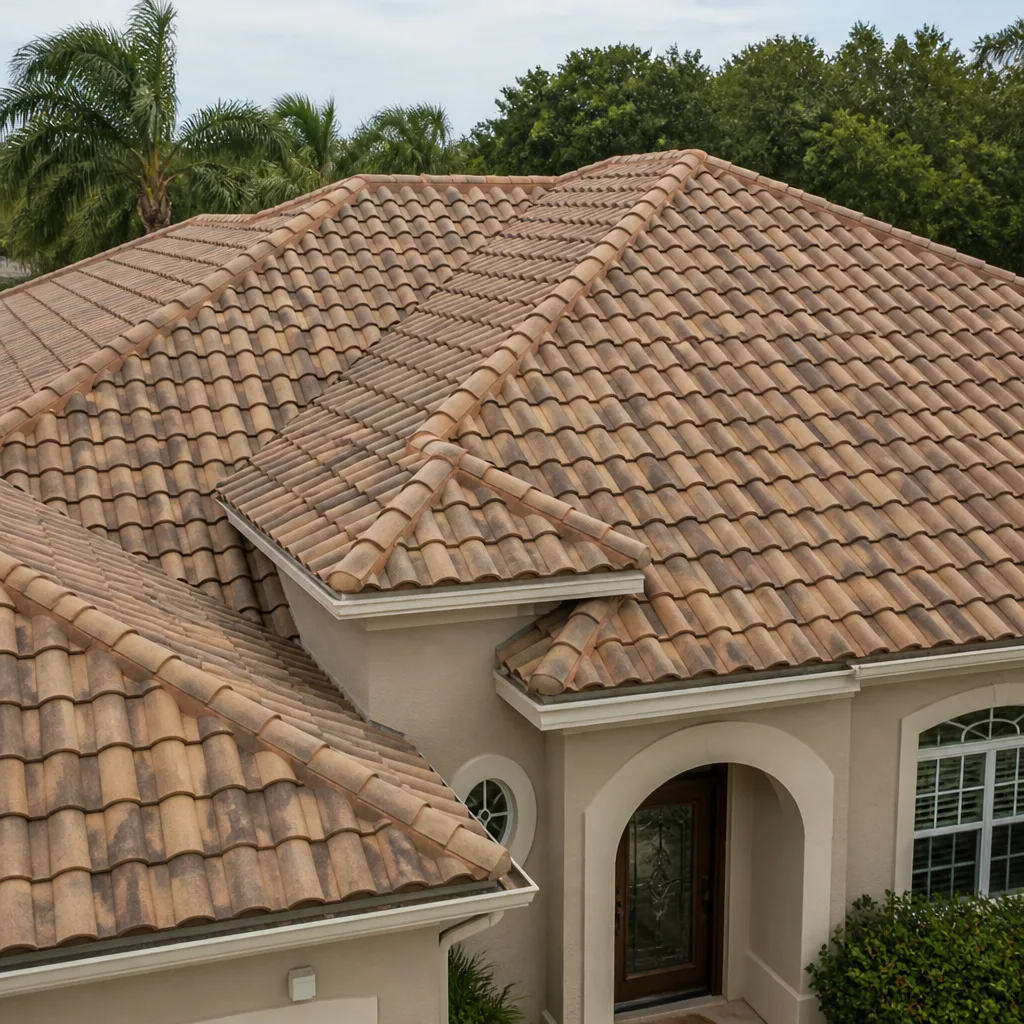 Tile roofing
 GAF
 Owens Corning
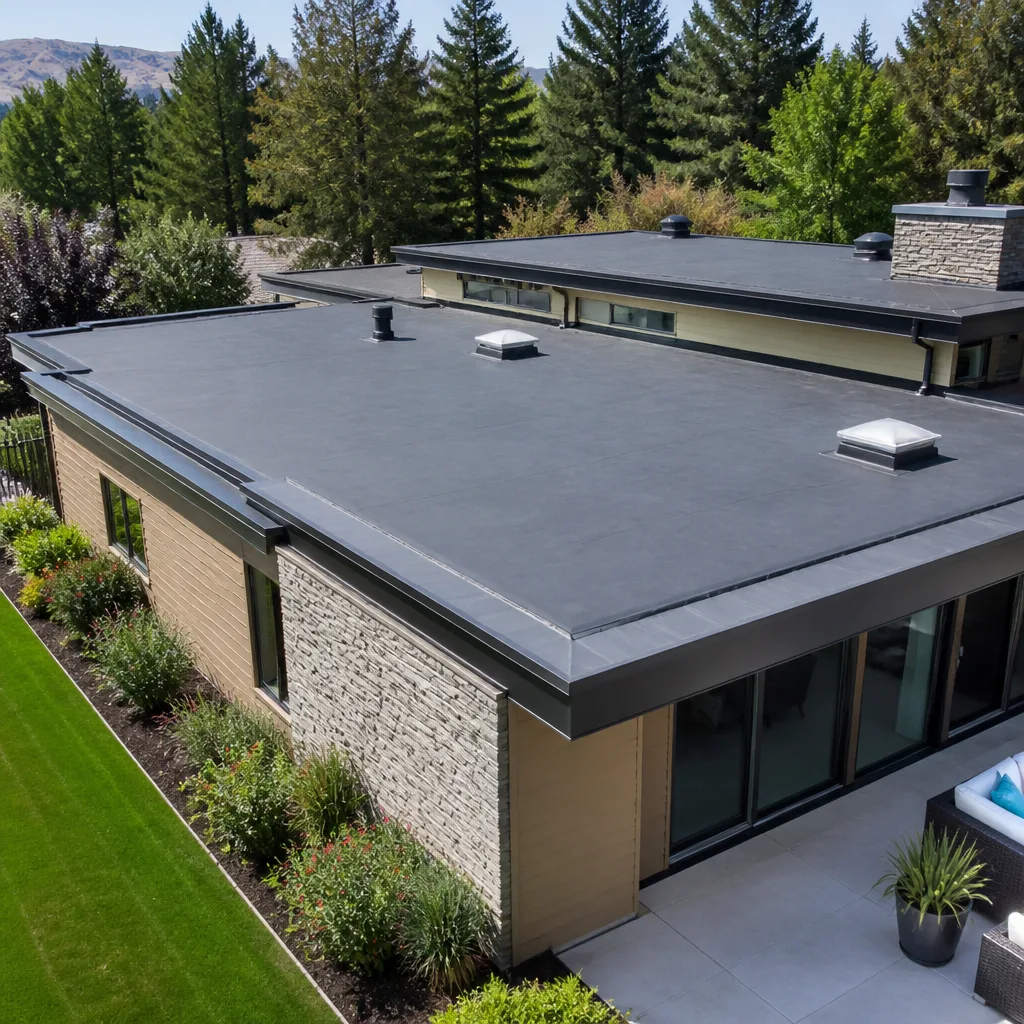 Flat & low-slope
Free roof inspection with deck photos before we talk money - GAF and Owens Corning certified installation
The Complete Roof Repair Guide for Rochester Homeowners
Rochester averages around 99 inches of snow a year, yet most roof repair guides you’ll find were written for places where the biggest threat is a summer thunderstorm. That mismatch costs local homeowners money every spring, when a patch that seemed fine in October starts dripping by March. The reason isn’t shoddy work so much as chemistry and physics: freeze-thaw cycling attacks flashing and sealants in ways a warm-weather climate never tests. This guide is built around the conditions your roof actually lives through here. You’ll learn how to tell an ice dam leak from a bulk leak, which months repairs actually hold, how to read an inspection, and why matching your shingle brand matters more than most people realize.
Quick Answer
Roof repair in Rochester works best when it accounts for freeze-thaw cycling, ice dams, and a short working season: late April through June and September through October are the windows where repairs cure properly and hold through winter. A repair-first assessment should tell you whether a targeted fix will do the job or whether the roof has crossed the line into replacement territory. Any leak deserves a diagnosis before a proposal, and you should always get the diagnosis explained in plain terms, stage by stage.
Styles & brands we work with
- Architectural shingles
- Metal roofing
- Tile roofing
- GAF
- Owens Corning
- Flat & low-slope
Table of Contents
- How freeze-thaw cycling damages Rochester roofs differently
- The two seasons when repairs actually hold
- Ice dam or bulk leak: telling them apart
- What a full-lifecycle inspection covers
- Material compatibility and thermal expansion
- Repair or replace: an honest decision framework
- Getting your roof through a Rochester winter
How Freeze-Thaw Cycling Damages Rochester Roofs Differently
Most damage descriptions fall into two buckets: wind blows something off, hail dents something. Rochester has a third and more persistent problem. Water finds a seam, a nail head, a flashing edge, and then the temperature drops and it expands. Ice takes up more space than the water it came from, and that expansion pries apart joints that were watertight a day earlier. Then it thaws, water refreezes deeper in, and the cycle repeats. A wind event damages a roof once. Freeze-thaw works on it all winter.
This changes what “damage” looks like on a Rochester roof. Instead of torn shingles, you often find:
- Flashing that has pulled slightly away from a chimney or wall, leaving a hairline gap invisible from the ground
- Sealant beads on vents and pipe boots that have shrunk or cracked and no longer bond to the metal
- Loosened nail heads that back out a fraction of an inch, opening a pinhole path for meltwater
- Shingle tabs that look flat and intact but have lost the adhesive seal along the bottom edge
- Ice damming along the eaves, where meltwater pools behind the dam and works under the shingle course
If you take one thing from this section, take this: a Rochester leak can develop from a failure you can’t see from the ground, and the failure can be years in the making. That’s why a visual “looks fine” inspection from the driveway tells you almost nothing here. A proper look at flashing, boots, and eave edges is the whole point.
What This Means for Repair Materials
Not every sealant and flashing method that works in a mild climate works here. Materials that stay flexible at cold temperatures hold up to freeze-thaw far better than stiff, general-purpose products that crack when they contract. Copper flashing, properly lapped, outlasts the shingle around it. Ice-and-water shield membrane under the eave courses is standard practice in cold climates for good reason. The exact materials for your roof depend on what’s already up there and the pitch, but the principle holds: choose for the cold, not for the box that was cheapest at the counter.
The Two Windows When Rochester Repairs Actually Hold
Repairs done in the right weeks hold through winter. Repairs done in the wrong weeks often fail by March, and it isn’t a mystery why. Most roofing adhesives, sealants, and self-adhering membranes need a moderate temperature to cure and bond. In Rochester the practical windows are late April through June and September through October. In those weeks the temperature is warm enough for materials to set, but not so hot that sealants skin over before they bond to the surface.
Why does the calendar matter so much? Three reasons:
- Cure temperature. Adhesives and sealants have a working range. Once the overnight temperature drops well below freezing, many of them stop curing and simply sit there until spring. When they finally do cure, the bond is often weaker than a proper warm-weather cure.
- Dry substrate. You can’t bond anything reliably to a wet deck or a wet shingle. In the shoulder seasons the roof can dry out between rain events. In deep winter, meltwater lingers and any moisture sealed under a patch becomes a future problem.
- Safe access. Ice, snow, and suddenly warm days that soften the roof edge all make winter roof work genuinely dangerous. A cold-weather repair forces hurried work, and hurried work is where mistakes happen.
What if a leak shows up in January? You still handle it. The goal in deep winter is damage control: stop water from getting further into the structure, document what you find, and plan the durable repair for the next window. A properly done temporary measure is fine. Telling yourself it’s permanent is not.
Ice Dam or Bulk Leak: Telling Them Apart Before You Call
Both an ice dam and a bulk roof leak put water inside your house. They’re different problems, and confusing them wastes time and money. An ice dam happens when snow on the upper roof melts from warm attic air, runs down to the cold eave edge, and refreezes there. The ice ridge traps further meltwater, which backs up under the shingles and finds a path inside. A bulk leak is a hole, a failed flashing, or a breach somewhere in the field or at a penetration, where water goes straight through from rain or meltwater.
You can work out which one you’re dealing with before anyone comes out:
Signs It’s Probably an Ice Dam
- Water appears during melt conditions after heavy snow, especially on clear or sunny days when nothing is raining
- Icicles form heavily along the eaves, or a visible ice ridge builds up near the gutter line
- Staining shows on interior walls or ceilings near the exterior wall, not in the middle of the room
- Water appears, then stops, then reappears when it refreezes and melts again
Signs It’s Probably a Bulk Leak
- Water appears during rain, regardless of snow on the roof
- The leak is toward the middle of the ceiling or the interior of the house, away from the eaves
- There’s a visible hole, missing shingle, or a flashing issue near a chimney or vent
- Staining grows steadily in one spot rather than cycling with the temperature
This distinction matters because the fixes are different. An ice dam often points at attic ventilation or insulation letting warm air into the wrong place, or at missing ice-and-water shield under the eaves. A bulk leak points at a specific breach on the roof. A diagnosis that treats an ice dam like a bulk leak will patch the wrong thing and leave the real problem standing.
While you’re working out which one it is, don’t put a ladder against a snow-covered roof, don’t stand under an ice ridge, and don’t try to chip ice off the edge from above. Roof edges are not safe in winter, and the height work is genuinely dangerous. A trained professional belongs in that situation.
What a Full-Lifecycle Inspection Actually Covers
A roof inspection here is a diagnosis, not a sales pitch. Any competent inspection walks through the same sequence, and knowing it in advance tells you exactly what you’re paying for at each stage. When you call Valor Roof Repair, this is what our three service tiers look like from the inspection side.
The Inspection Sequence
- Exterior visual. Ground-level and roof-level look at shingle condition, missing tabs, open valleys, and flashing at every chimney, vent, and wall transition.
- Granule loss assessment. Granules are the top layer’s UV protection. Heavy granule loss in gutters and at downspout outlets is one of the clearest signals that a shingle field is near the end of its working life.
- Flashing and penetration review. Every boot, vent, and chimney gets checked. These are where many Rochester leaks begin after a winter of freeze-thaw.
- Attic and decking integrity. Inside the attic, we check for water staining, soft spots, sagging, and signs of inadequate ventilation, which is one of the real drivers behind ice dam formation.
- Ice dam and eave review. Whether there’s adequate ice-and-water shield under the eave, how the eave is built, and where the warm air path crosses the insulation.
- Interior review. What’s showing on the ceiling, walls, and around chimneys inside, so the exterior findings line up with the symptoms.
When we inspect, we inspect it honestly and tell you exactly what it needs: repair or replace, nothing more. That’s the whole point of an inspection stage that exists inside a repair-first approach. In our experience, a lot of “replacement needed” proposals are really a repair down at the flashing level, and a careful inspection is what separates those two answers. Our technicians have up to 10 years of experience reading roofs in this climate, and a lot of that experience is spent telling people they don’t need a new roof.
Material Compatibility: Why the Patch Has to Match
A repair patch on an older roof is not the same as a repair patch on a new one, and the reason is thermal expansion. Shingles expand in the heat and contract in the cold. Every shingle is made with some specific amount of give designed into it. When a patch is installed against an older shingle field using a material with a different expansion rate, the two products fight each other every time the temperature swings. In Rochester that’s dozens of swings per winter. The mismatched shingle is often the first to open up along the seam.
This matters most on older CertainTeed or Owens Corning systems where the field may not perfectly match today’s spec even in the same brand family. The repair should be matched to the brand, the product line, and where possible the batch description on the existing field. That’s one of the reasons we keep seven major brands in rotation: GAF, CertainTeed, Owens Corning, IKO, Atlas, Tamko, and Boral. You get a match that actually works thermally, not whatever happens to be closest on hand. Seven brands, one crew, the right material for your roof and your budget.
The same principle extends to every roofing component. Flashing in copper vs. aluminum behaves differently next to salt-free but freeze-heavy conditions. Sealants formulated for cold-climate flexibility last longer than general-purpose products. Vent boots vary in how much give they have in the collar. All of it matters around the freeze-thaw cycle.
If you want the full repair tier explained in more detail, our roof repair page walks through what each type of repair involves and what to expect.
Repair or Replace: An Honest Decision Framework
This is the question that costs homeowners the most money when it’s answered by whoever stands to benefit most. A repair-first approach leads with repair, and only recommends replacement when the roof has genuinely crossed the line. Here’s the framework we use.
Repair Is Usually the Right Call When
- Damage is localized to one area, like a chimney, a valley, a vent cluster, or one section of the field
- The shingle field shows normal granule loss but is structurally sound, and the flashing is intact
- The leak traces to a specific, repairable breach rather than a widespread failure
- Decking is solid when checked from the attic, with no soft spots or sagging
- You plan to stay in the house for years and want the problem solved, not a full rebuild
Replacement Deserves a Real Conversation When
- The shingle field is failing at multiple points at once, not in scattered spots
- Granule loss is widespread and the shingles are brittle at the edge, signaling end of working life
- Decking damage extends across more than one area
- The roof has been layered with more than one shingle course, and the layers are starting to separate
- Flashing failures are recurring across every penetration, not just one
About the material side: because we work across seven brands rather than steering you toward whatever’s on hand, our scope recommendations are driven by the roof’s condition and your budget. That’s true for replacement as much as repair. Access to premium brands and high-value alternatives means there’s real flexibility, and the choice is actually yours. Our roof replacement page covers the replacement side in full, if you’re weighing that path.
Getting Your Roof Through a Rochester Winter
Most of what protects a Rochester roof happens before the snow flies, and most of what fails happens in the shoulder seasons. A few things that hold up, in our experience:
- Clear the gutters before the first freeze. A gutted gutter can’t handle an ice dam on top of it. Frozen water in a gutter is water that has nowhere to go but back up under the eave.
- Check attic ventilation and insulation. A lot of ice damming starts with warm air leaking into the attic. More insulation isn’t always the answer; a balanced approach to air sealing and ventilation usually is.
- Get the roof looked at in late spring or early fall. A small flashing issue found in May is a repair. The same issue found in January after a ceiling stain is a repair plus ceiling work plus the risk of a much longer problem.
- Don’t bury a low-pitch section under a deep snow load. Flat and low-slope sections are where snow pools and where water finds its way in.
If you’re unsure where your roof stands, the honest answer is a diagnosis. If you want to see how we approach Rochester roofs specifically, our local page covers the climate context in more detail.
Common Mistakes to Avoid
- Patting a leak in January and calling it done. A cold-weather patch frequently doesn’t cure properly and fails by the next melt. It’s fine as damage control; it isn’t a permanent fix.
- Matching the patch to the wrong shingle brand. A mismatched shingle expands and contracts at a different rate, and the seam opens up sooner. Match the brand and product line where possible.
- Treating every interior water stain as an ice dam. An ice dam leak and a bulk leak need different fixes. Patching the wrong thing leaves the actual problem in place.
- Accepting a replacement quote without a repair estimate. Localized damage doesn’t automatically mean a full new roof. Ask for a repair-first diagnosis and see whether the scope is really the whole roof.
- Skipping the attic inspection. The outside of the decking can look fine while the underside tells a different story. A serious inspection goes inside the attic.
- Ignoring granule loss until spring. Heavy granule loss is one of the clearest signals a roof is near the end of its working life, and it shows up long before a leak does.
- Scheduling a repair in the worst weeks of winter. Materials bond best when the temperature is moderate. The late-spring and early-fall windows are when repairs actually hold.
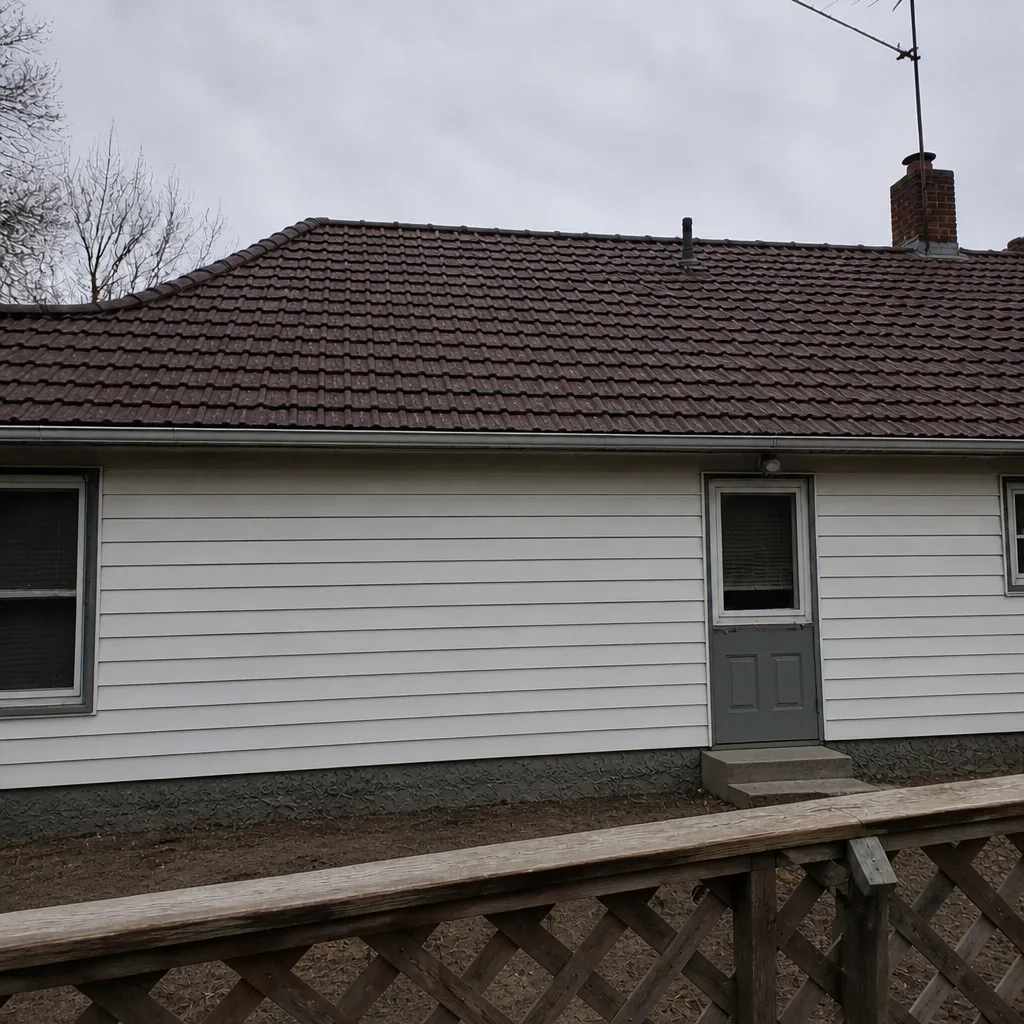
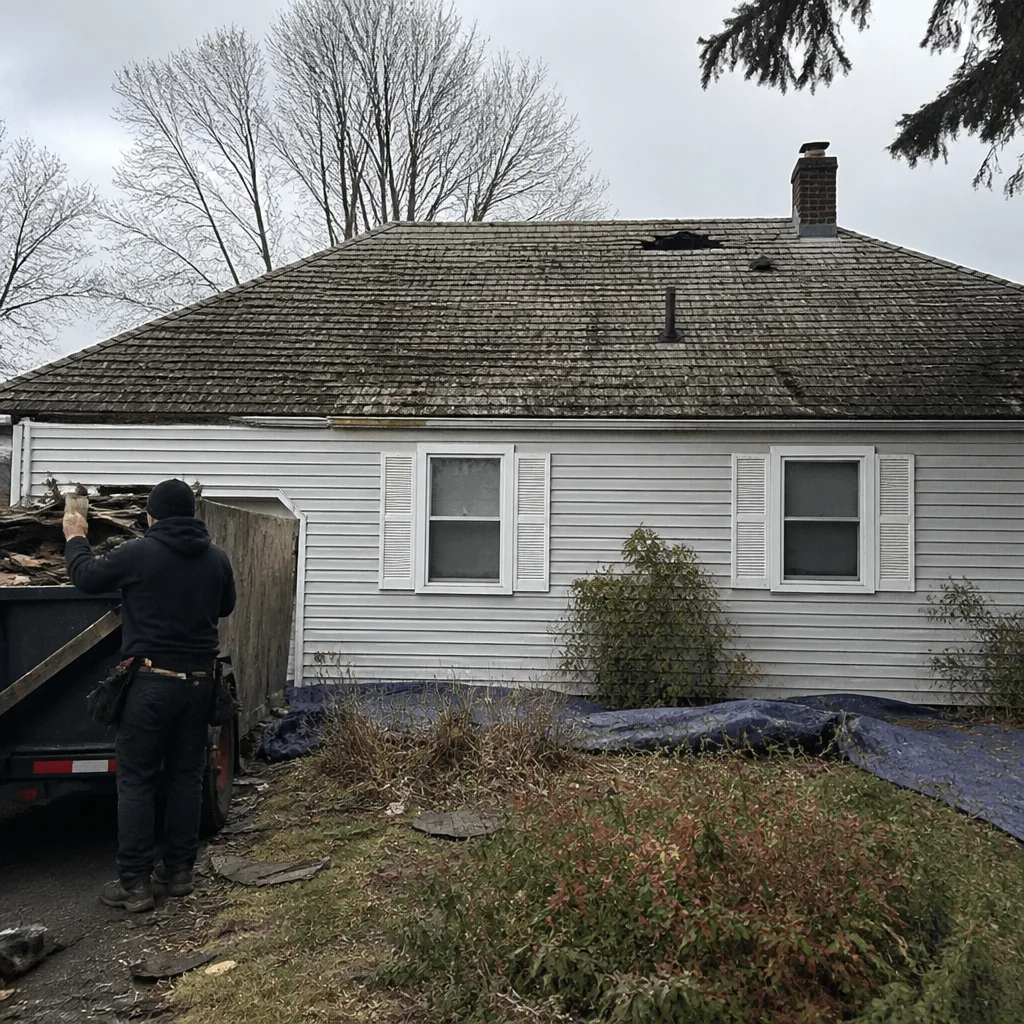
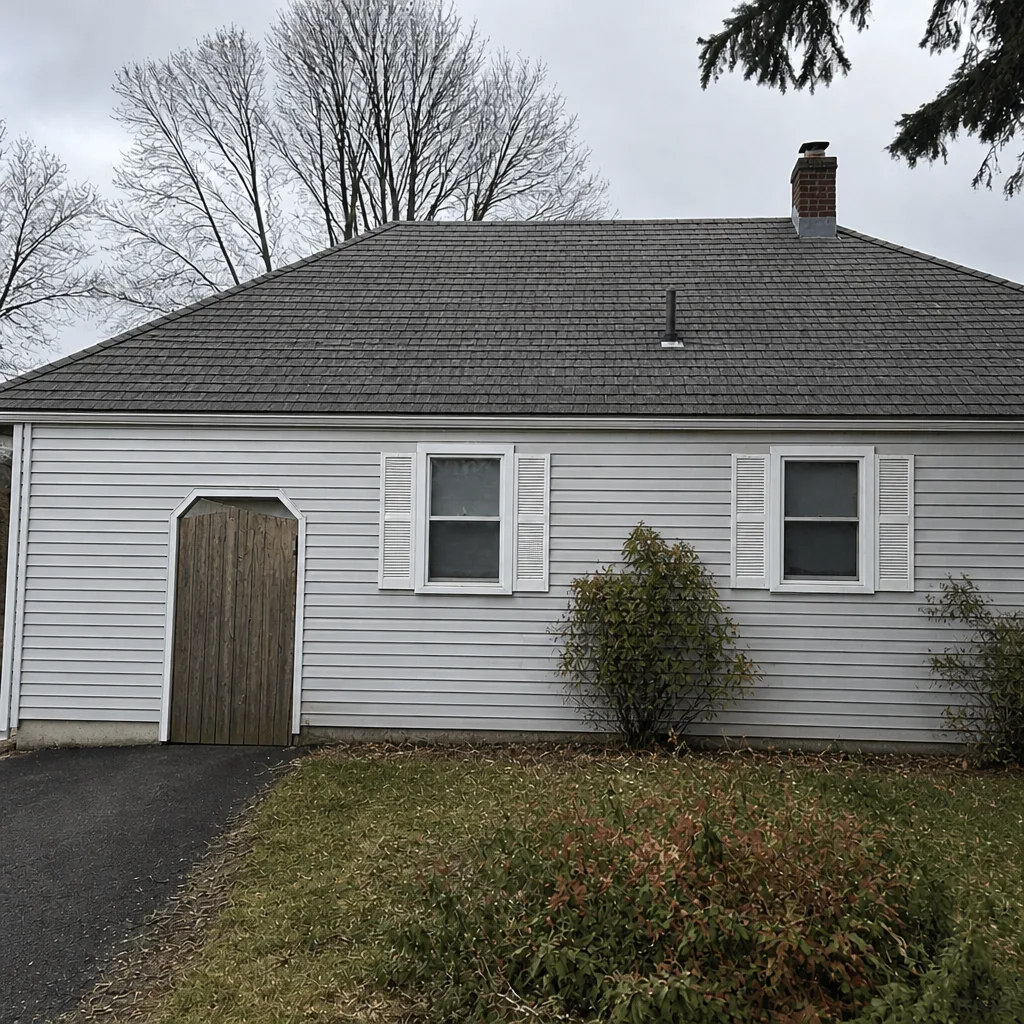
See the difference
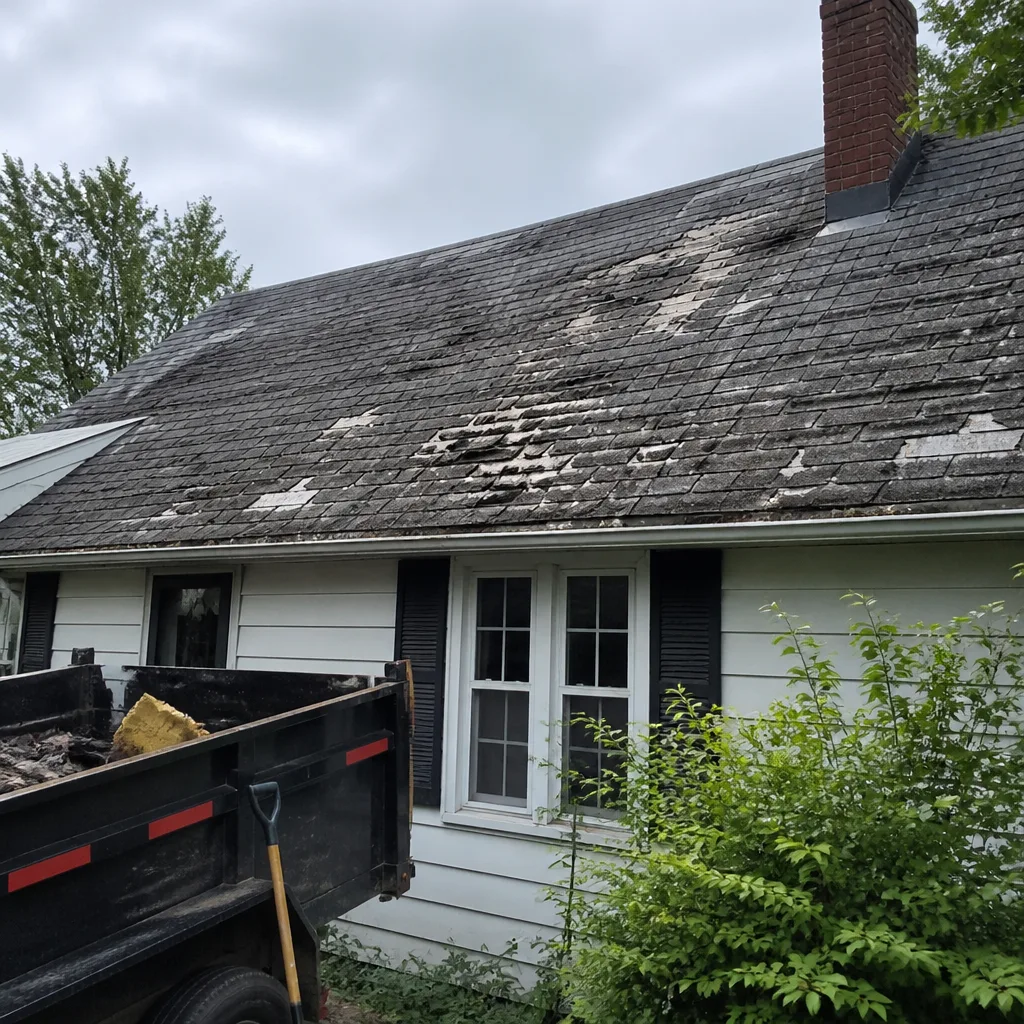 Before
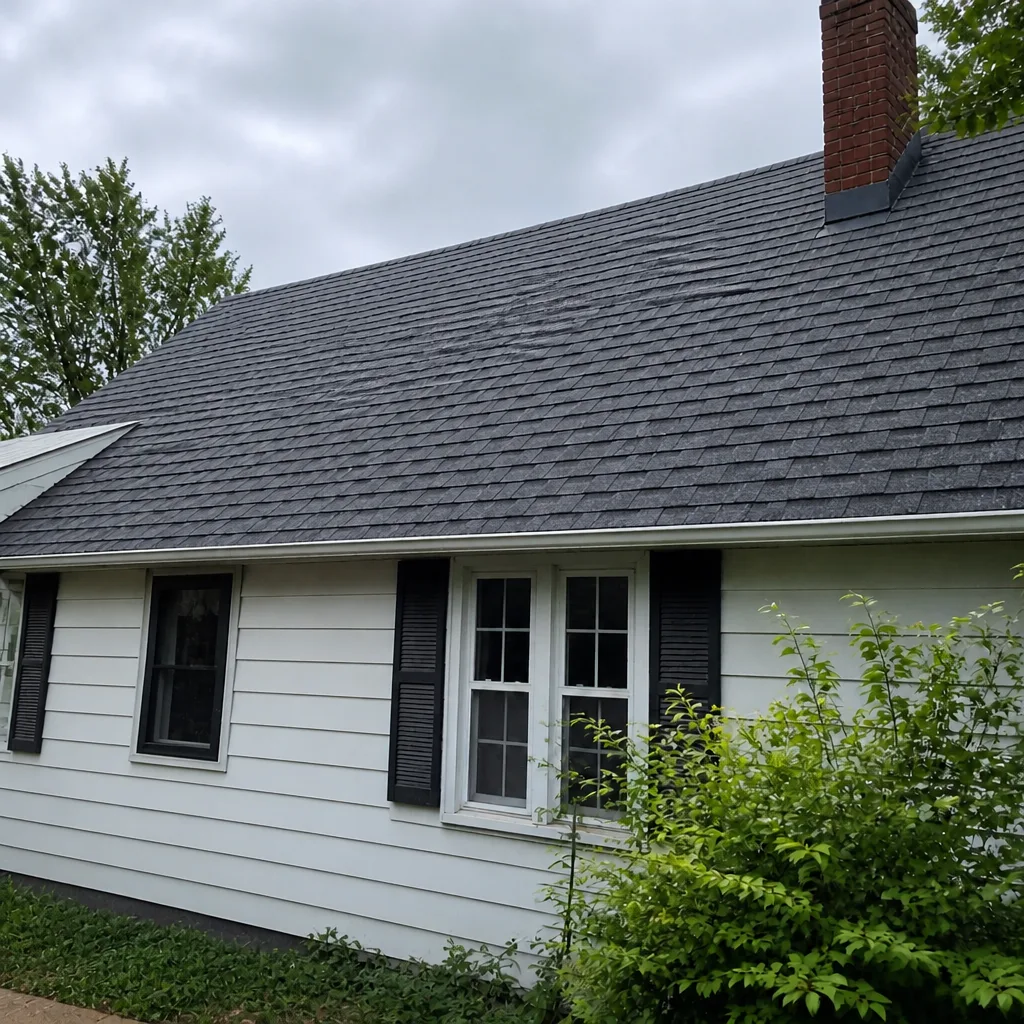 After
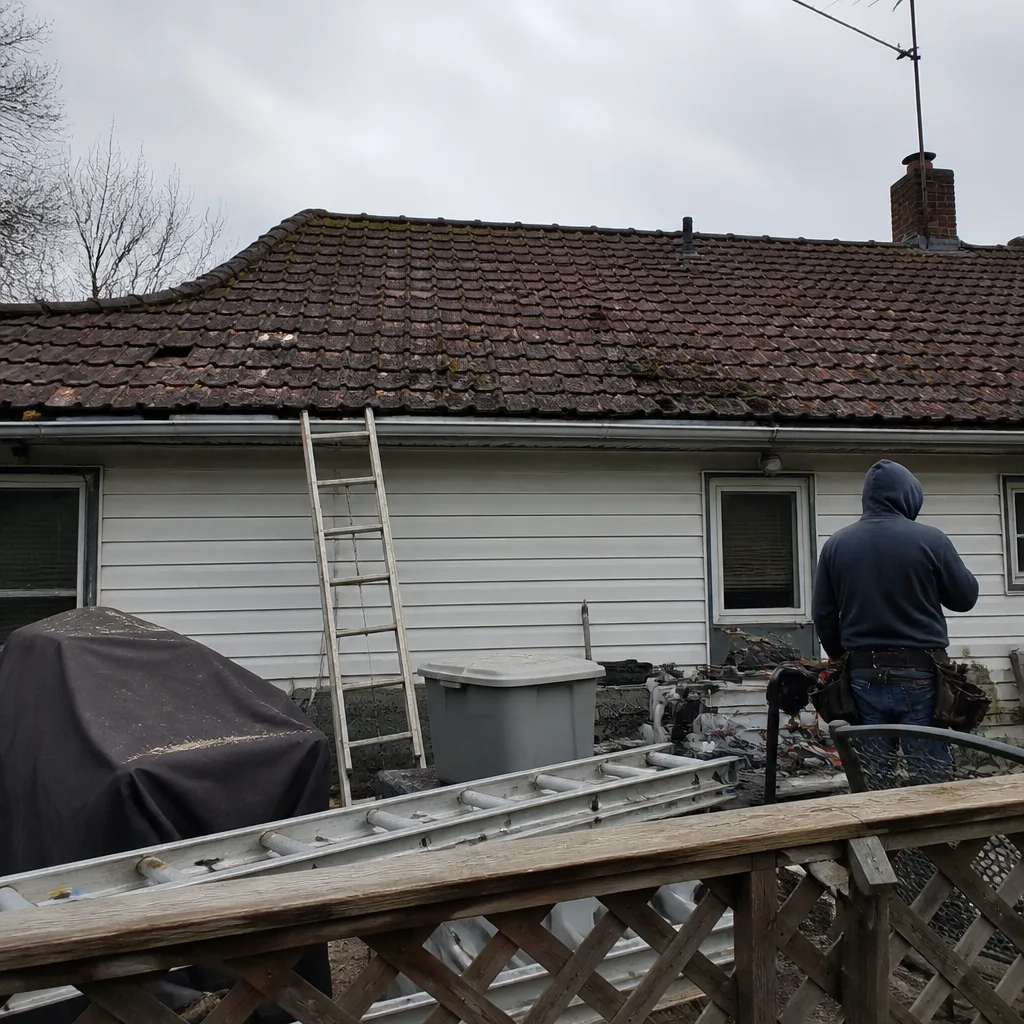 Before
 After
 Before
 After
When to Call a Professional
Some jobs are a homeowner’s call, and some are not. Call a professional the moment you see water staining on a ceiling or wall, an ice ridge building up along the eave, missing or curled shingles near a valley, or a chimney flashing joint that has visibly opened. Call when you don’t know the last time the roof was inspected. Roof height and roof-edge work in winter is a real hazard, and materials need proper prep, fasteners, and curing conditions to hold. Valor Roof Repair offers free estimates in Rochester – call (855) 473-8654. We inspect it honestly and tell you what your roof actually needs.
Frequently Asked Questions
Roof repair in Rochester typically falls into a few bands: a small localized fix like a single vent boot or flashing reset runs the least; a mid-size repair covering a section of field or a chimney area sits in the middle; a larger multi-point repair runs highest. The only number that matters is the one on your written estimate, because the scope changes with what the inspection finds. Call (855) 473-8654 – estimates are free and the price is set per job by the written estimate.
Yes, but a winter repair is generally a temporary measure rather than a permanent one. Cold temperatures prevent many sealants and adhesives from curing properly, and roof-edge work in ice and snow is genuinely hazardous. The durable repair is best planned for the late-spring or early-fall window. If water is actively coming in, call and we’ll figure out the damage-control approach. Call (855) 473-8654. We answer 24/7. Fast dispatch from 7am to 7pm, Sunday through Friday.
Timing and location usually tell you. An ice dam tends to cause staining during melt conditions, near the exterior wall, with visible ice ridges along the eave. A bulk leak shows up during rain, often closer to the middle of the ceiling, and traces back to a specific breach or flashing issue. If you’re not sure which one you have, the safe call is an inspection. Call (855) 473-8654 to schedule a free estimate.
Not automatically, but it depends on the manufacturer and how the repair is done. Matching the repair material to the existing brand and product line is the way to stay on solid ground, which is why we keep a seven-brand range covering GAF, CertainTeed, Owens Corning, IKO, Atlas, Tamko, and Boral. Ask about warranty implications before any work starts, and get it in writing. Call (855) 473-8654 for a free estimate.
A single localized repair is usually a short job: a few hours on the roof. Multi-point repairs or work that touches the decking or attic ventilation take longer, and the timing depends on what the inspection reveals. Schedule-related questions are best answered when you call so we can match the scope to your calendar. Call (855) 473-8654. We answer 24/7. Fast dispatch from 7am to 7pm, Sunday through Friday.
Three likely reasons: it was patched during the wrong part of the year and the materials never cured properly, the patch was made with shingles that don’t match the existing field’s thermal expansion, or the actual leak source was misdiagnosed and the real flashing problem was never touched. Any of these can look fine in October and fail in the first major thaw. A diagnosis-first approach is the way to avoid a repeat. Call (855) 473-8654 for a free estimate.
The Bottom Line
Roof repair in Rochester is not the same job as roof repair somewhere with mild winters. Freeze-thaw cycling works on flashing and sealants all winter long, ice dams and bulk leaks produce similar interior symptoms but different fixes, and the two repair windows in late spring and early fall are the ones where work actually holds. An honest inspection tells you which problem you have and whether repair or replacement is genuinely the answer. We built our name on repair, because not every damaged roof needs a full replacement. When you’re ready to know for sure, we’re here to help.
Call Valor Roof Repair at (855) 473-8654 for a free estimate on your Rochester roof. We answer 24/7. Fast dispatch from 7am to 7pm, Sunday through Friday. A roof inspection from us is a diagnosis, not a sales pitch.
Written by the team at Valor Roof Repair.