
Last updated November 14, 2026
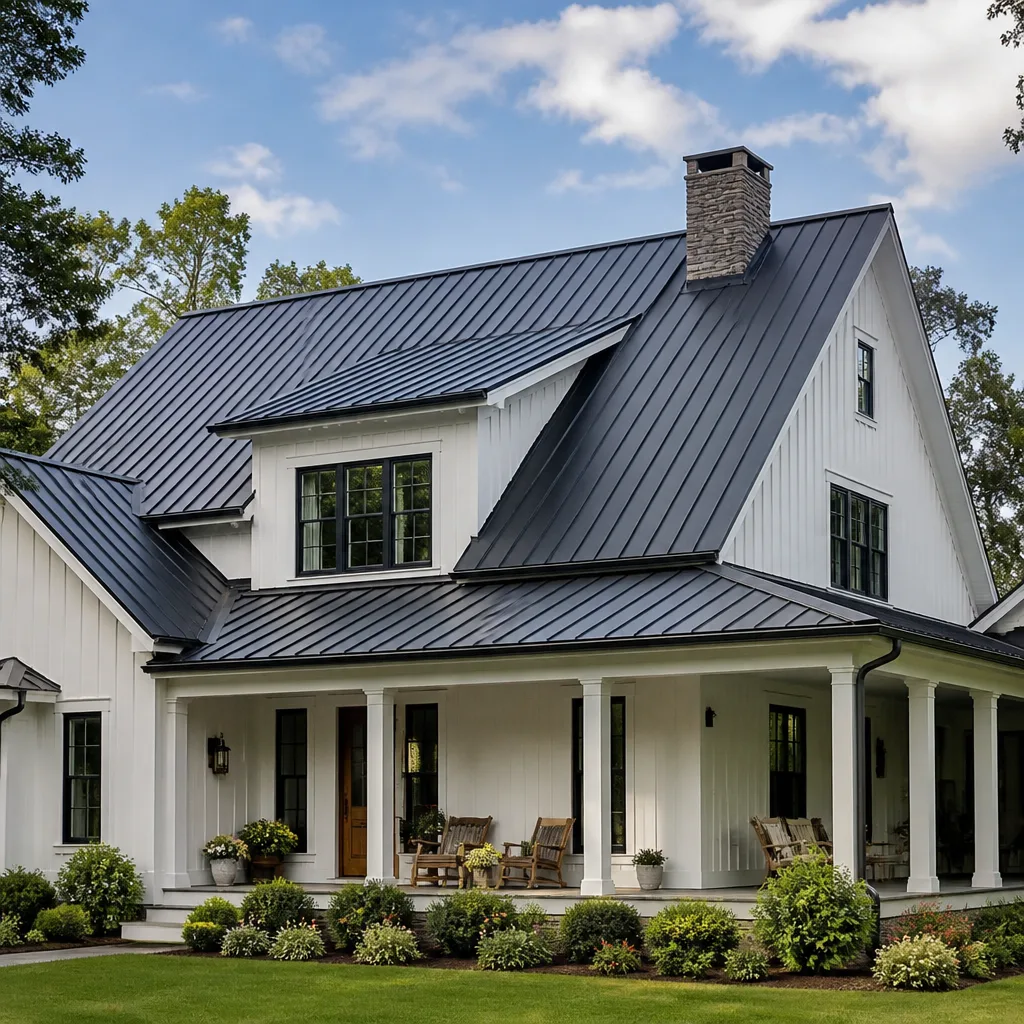 Metal roofing
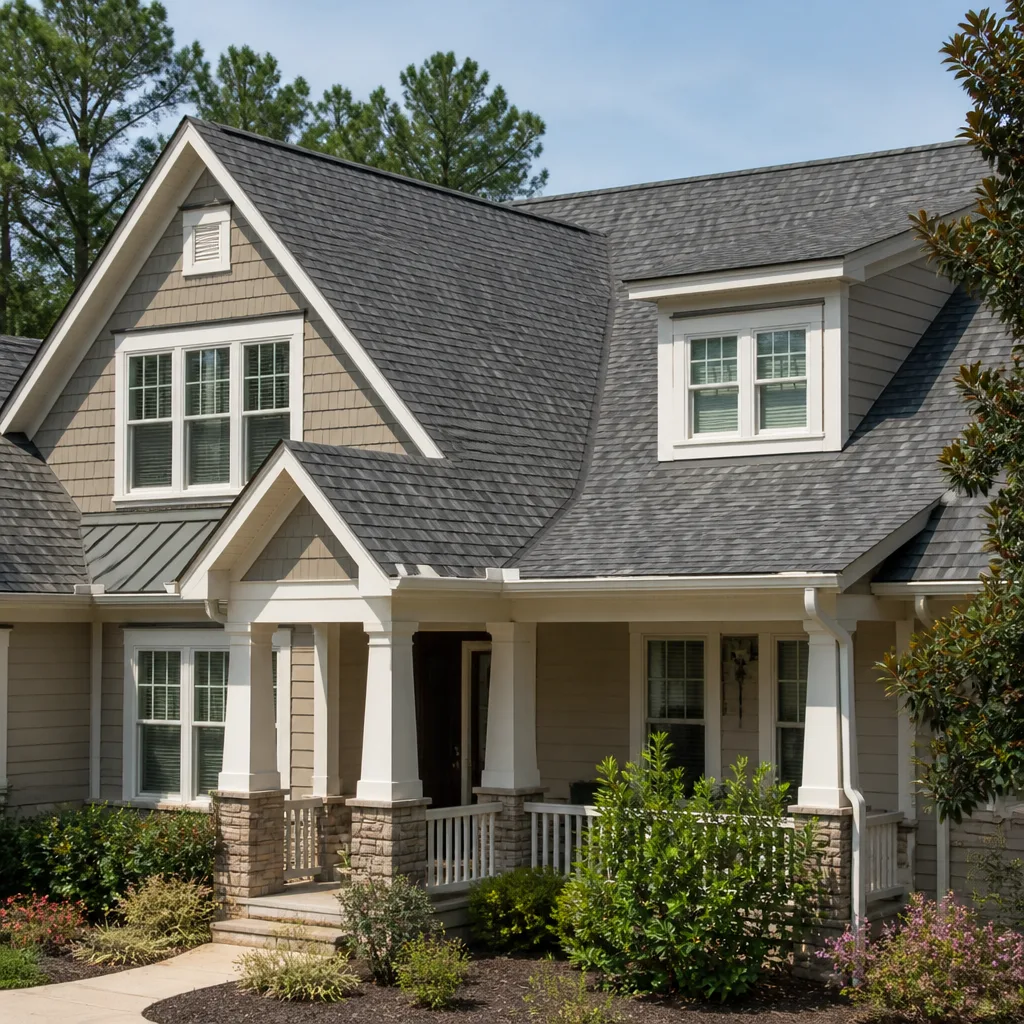 Architectural shingles
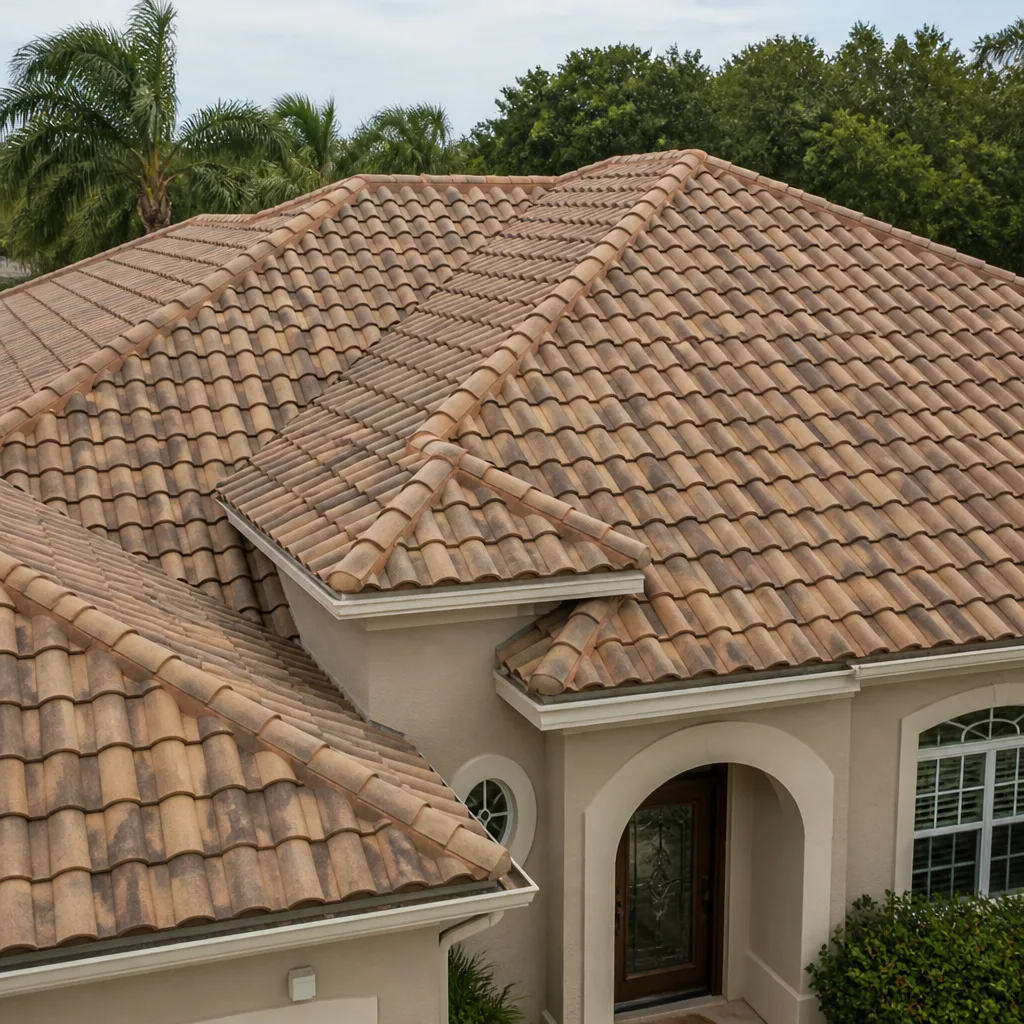 Tile roofing
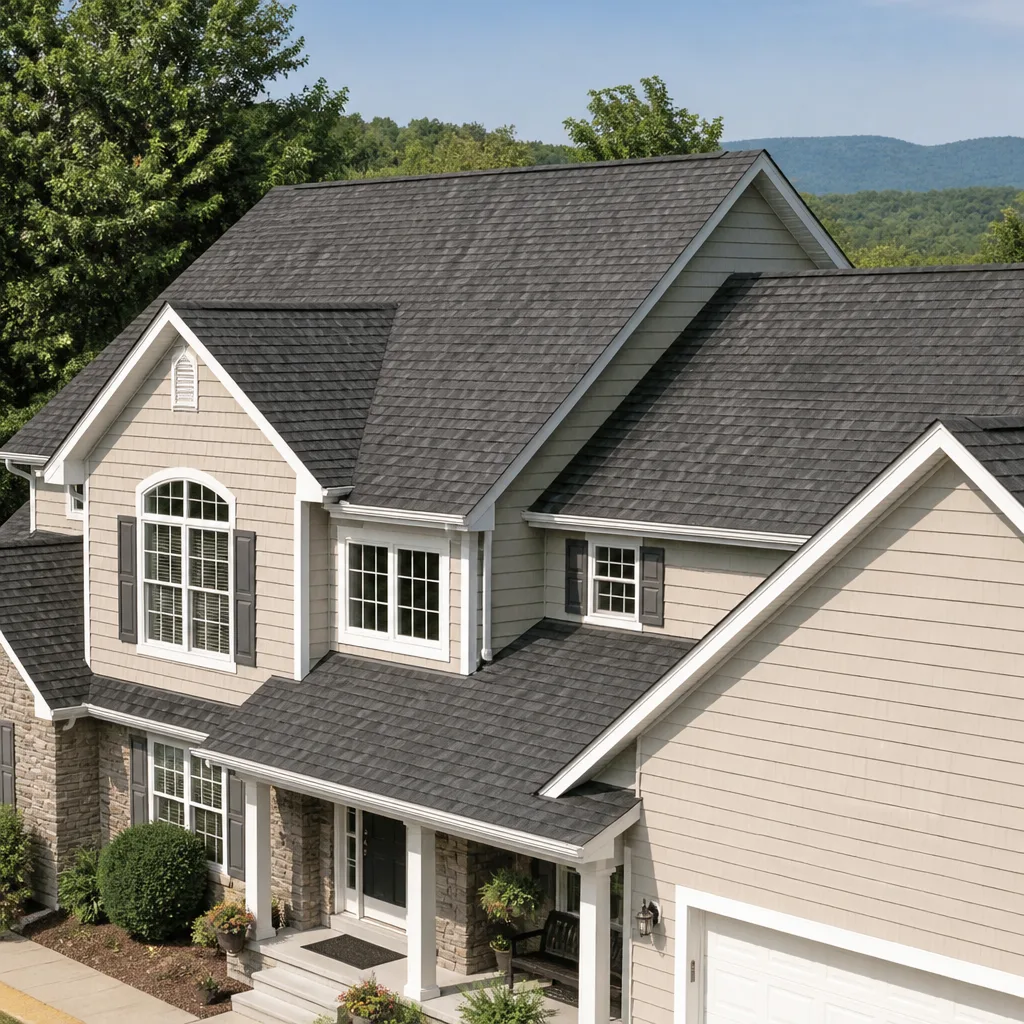 GAF
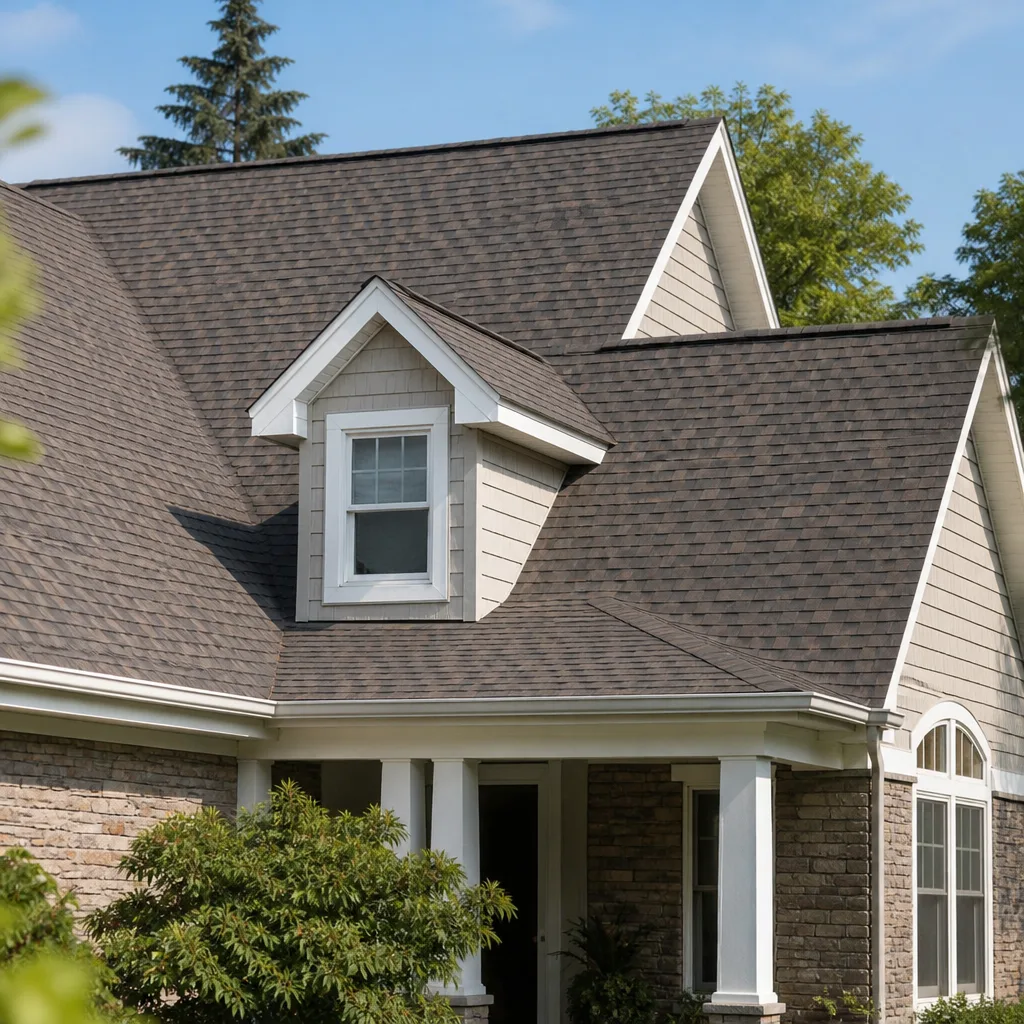 Owens Corning
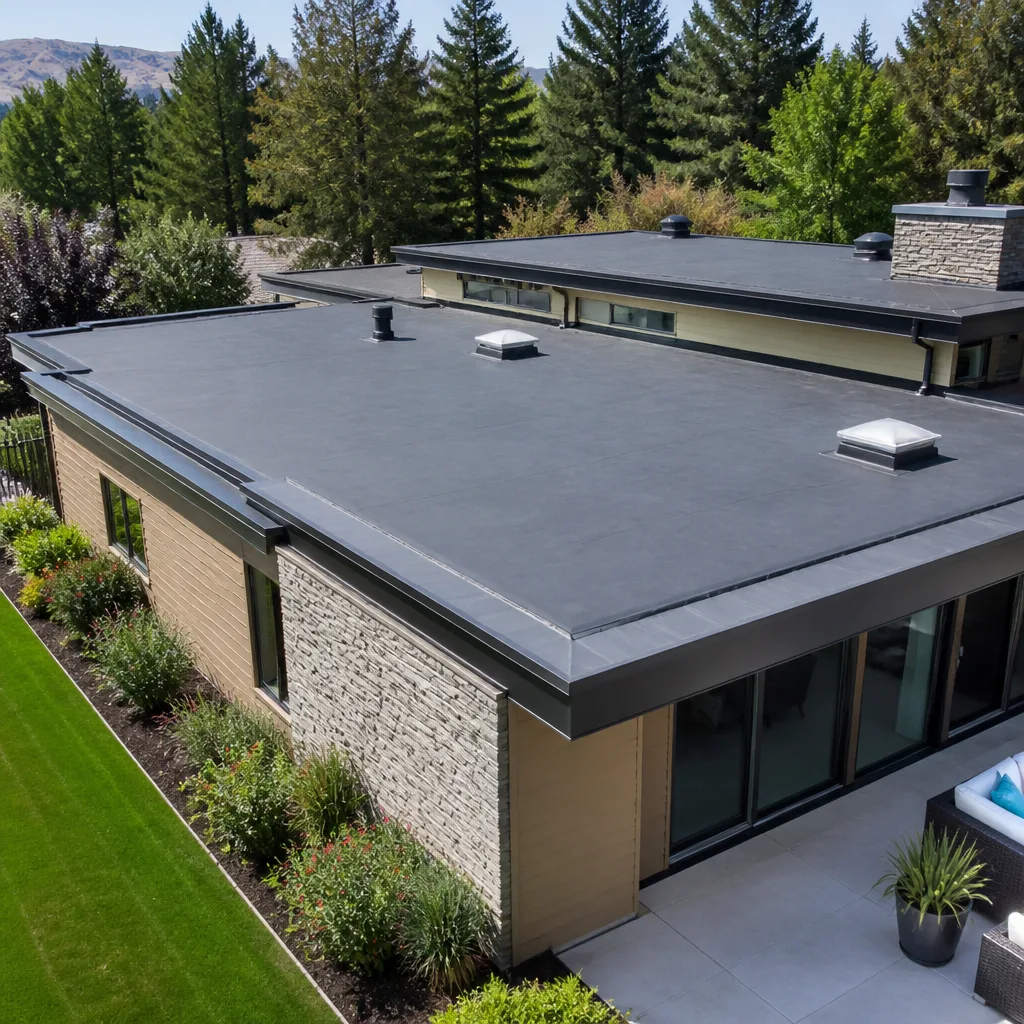 Flat & low-slope
Free roof inspection with deck photos before we talk money - GAF and Owens Corning certified installation
Roofing Cost Breakdown: The Rochester Homeowner’s Reference for 2026
Two Rochester homeowners with identical 2,000-square-foot roofs can receive quotes ranging from $9,000 to $22,000, and both quotes can be completely legitimate. That gap isn’t dishonesty. It’s scope. One contractor bundles tear-off and disposal into the base number; another bills them separately. One includes ice-and-water shield as standard; another treats it as an add-on. Compare those two bids line by line and you’re measuring apples against a chain saw.
This reference fixes that. It standardizes the line items, gives you 2026 Rochester-market ranges for each, and shows you how to normalize competing quotes onto the same scope before you sign anything. By the end you’ll know what a fair bid looks like for your roof, not just what a low one looks like.
Quick Answer
A full roof replacement on a typical Rochester home runs about $12,000 to $22,000 in 2026, with asphalt architectural shingles landing mid-range and metal pushing higher. Targeted roof repair usually falls between $450 and $2,800 depending on where the damage sits. The final number is set by a written, line-item estimate, and the scope behind that estimate matters far more than the bottom-line figure.
Styles & brands we work with
- Architectural shingles
- Metal roofing
- Tile roofing
- GAF
- Owens Corning
- Flat & low-slope
Table of Contents
- What Line Items Should Every Rochester Roofing Quote Include?
- How Does Material Tier Change the Total Cost?
- What Hidden Cost Drivers Are Specific to Rochester Homes?
- Why Do Two Contractors Quote the Same Roof So Differently?
- How Do You Build a Quote Comparison Worksheet?
- Repair or Replace: How Do You Decide?
- How Does Timing Affect a 2026 Rochester Roofing Budget?
What Line Items Should Every Rochester Roofing Quote Include?
A complete roofing quote lists nine categories: labor, materials, tear-off, disposal, decking repair, underlayment, ice-and-water shield, flashing, and ventilation. If any of those nine are missing, folded into a vague “miscellaneous” line, or marked as optional, the bid isn’t comparable yet. Ask for them broken out.
Here’s the 2026 Rochester-market range for each, for a standard 2,000-square-foot asphalt roof:
| Line Item | Typical 2026 Rochester Range | What It Covers |
|---|---|---|
| Labor | $3,500 – $6,500 | Crew time for tear-off and install |
| Shingle materials | $3,000 – $6,000 | Depends heavily on tier (see next section) |
| Tear-off | $1,200 – $2,800 | Removing existing layers down to deck |
| Disposal | $400 – $900 | Dumpster and landfill fees |
| Decking repair | $0 – $2,000 | Replacing rotted sheathing; usually unknown until tear-off |
| Underlayment | $300 – $700 | Synthetic or felt barrier over decking |
| Ice-and-water shield | $400 – $1,000 | Critical in Rochester; often quoted as optional when it shouldn’t be |
| Flashing | $250 – $1,200 | Chimney, valley, and penetration flashing |
| Ventilation | $300 – $1,000 | Ridge vent, soffit vent, or box vents |
Add those ranges up and you land between roughly $9,350 and $22,100. That’s the entire spread of the opening hook, and every one of those numbers can be a legitimate quote. The difference is what’s actually inside it.
One caution: decking repair is the line most often left off a bid, because nobody knows the extent until the old shingles come up. A contractor who quotes $0 for decking and warns you it may change isn’t being deceptive. A contractor who quotes nothing and says nothing is a different story. Ask the question directly: “What happens to the price if you find rot?”
How Does Material Tier Change the Total Cost?
Material tier is the single biggest lever on your total, and it’s quoted per square (100 square feet of roof surface). A roof quoted at 20 squares multiplies every per-square figure by 20, which is why a seemingly small upgrade moves the total by thousands.
Here’s how the tiers stack up per square in the Rochester market for 2026:
- 3-tab asphalt: $90 to $130 per square installed. Entry level, shorter service life. Many Rochester codes restrict these on steeper pitches, so check before choosing.
- Architectural asphalt: $130 to $200 per square. The default choice for most homes here. GAF and CertainTeed both make solid products in this tier.
- Impact-resistant asphalt: $180 to $270 per square. Heavy impact isn’t a common local problem, but the heavier mat still adds durability against wind and debris. Some insurers acknowledge these products, so ask yours before assuming.
- Metal standing seam: $450 to $750 per square. Long service life, higher upfront cost, different installation skill set.
On a 20-square roof, the jump from 3-tab to architectural is roughly $800 to $1,400. The jump from architectural to metal can be $6,000 or more. That’s the real decision, not “cheap versus expensive.”
Because we install across seven brands, our recommendations start with the roof and the budget rather than what’s sitting in inventory. Tamko and Boral give you value-tier options; GAF and CertainTeed cover the premium end. Choose your material. We install them all.
What Hidden Cost Drivers Are Specific to Rochester Homes?
Rochester’s housing stock produces three cost drivers that generic national pricing guides miss entirely: steep pitch surcharges, chimney flashing complexity, and satellite hardware re-mounting. None of them show up in a square-foot formula, and all of them can move your quote by four figures.
Steep pitch. Roofs above a certain slope require additional safety equipment and slower work. The older neighborhoods around Park Avenue and the South Wedge are full of steep, complex rooflines, and that work carries a different labor figure than a walkable ranch. Expect a meaningful surcharge, and expect a contractor who doesn’t mention it to have buried it somewhere.
Chimney flashing. A simple single-flue penetration is straightforward. A wide masonry chimney with a saddle and counterflashing is a half-day job on its own. Chimney flashing on older Rochester homes frequently needs full rebuild rather than re-sealing, because the existing metal has been patched repeatedly.
Satellite dishes and roof hardware. Someone has to remove and re-mount the dish, the antenna, and any solar or HVAC hardware. That’s a line item, usually $75 to $250. If a quote doesn’t mention it, ask who’s doing it and who’s responsible if the mounts leak afterward.
Snow load and ice dams. Rochester winters drive ice dam formation along eaves, which is exactly why ice-and-water shield belongs in the base scope rather than as an upsell. Underlayment and shield are not the place to save $600.
Why Do Two Contractors Quote the Same Roof So Differently?
Profit margin explains far less of the spread than homeowners assume. Four structural factors drive most of the variance: crew size and composition, insurance cost, warranty backing, and material sourcing. Understanding those lets you read a bid as a document about how a company operates, not just a price.
- Crew size and composition. A company running its own trained crews on a full-time basis pays more than one assembling day labor per job. That cost is real, and it shows up in the labor line. It also shows up in the quality of the flashing detail nobody will see for ten years.
- Insurance cost. General liability and workers’ compensation are significant overhead for a roofing operation. Ask any contractor for proof of both. A bid that’s 20% below the field usually has a gap somewhere, and insurance is a common one.
- Warranty backing. A manufacturer warranty depends on the product and on installation to specification. A workmanship warranty is the contractor’s own promise. Neither is a number we’ll invent here, but both should be in writing, and a contractor who can’t state clearly what they back is telling you something.
- Material sourcing. A contractor buying through a distributor with real brand relationships gets consistent product and consistent availability. One buying whatever’s on hand gets flexibility on price and inconsistency on product. This is why a seven-brand portfolio matters: it lets the material decision follow the roof instead of the supply chain.
In our experience, the honest read is that a low bid is usually a scope bid, not a bargain. It’s cheaper because it’s doing less. That’s fine if you know what’s missing.
How Do You Build a Quote Comparison Worksheet?
Normalize every bid to the same scope before you compare totals. Build a simple grid with the nine line items as rows and each contractor as a column, then mark each cell “included,” “excluded,” or “optional” along with the dollar figure. Do this before looking at the bottom line.
Here’s the process, step by step:
- List the nine standard line items from the first section as rows on a sheet of paper or a spreadsheet.
- Add rows for the site-specific drivers you’ve identified: pitch surcharge, chimney flashing scope, hardware re-mount, permit responsibility.
- Fill in every bid. Where a contractor left something out, write “excluded” – not blank. A blank is ambiguous; “excluded” is information.
- Flag every “optional” line. If ice-and-water shield is optional on one bid and included on another, add it to the first bid’s number before comparing.
- Add the permit line. Someone pulls the permit and pays for it. Find out who. Most municipalities require one for a full replacement, so ask your city’s building department what applies to your address.
- Re-total. Now, and only now, compare the numbers.
When two normalized bids are within a few hundred dollars of each other, the decision stops being about price. At that point you’re choosing on warranty clarity, communication, and whether the contractor answered your questions directly the first time you asked.
Repair or Replace: How Do You Decide?
Age is the weakest signal in the decision and condition is the strongest. A twelve-year-old roof with sound decking, intact flashing, and no widespread granule loss is a repair candidate. A nine-year-old roof with chronic ice dam damage along the eaves and repeated patch history may not be.
We built our company on this question, which is why our name leads with repair. A roof inspection from us is a diagnosis, not a sales pitch. Here’s the framework we use:
- Leaning toward repair when: the leak is localized, flashing or a penetration is the source, damage is confined to one slope, and the roof has meaningful service life remaining.
- Leaning toward replacement when: damage spans multiple slopes, decking rot is widespread, the existing shingle has reached the end of its usable life, or you’re facing a third repair in as many seasons.
- Always worth a proper inspection first: a leak that looks like a roof failure is sometimes a flashing or ventilation problem. Those are far cheaper to fix.
Our technicians have up to 10 years of experience and we handle inspection, repair, and roof replacement under one roof, so there’s no handoff gap where one contractor blames another. You get one diagnosis and one accountable answer.
How Does Timing Affect a 2026 Rochester Roofing Budget?
Material prices move with national supply cycles, and Rochester’s short construction season adds a scheduling variable. Demand concentrates into the warmer months, so the practical effect of timing is on availability more than on price. A planned replacement scheduled in a quieter stretch goes more smoothly than one squeezed into the peak.
What doesn’t change with season is the estimate process itself. Every job is priced individually against a written, line-item scope, and that written estimate sets the final price. What you should demand in writing at signing:
- The full nine-line-item scope, priced.
- What happens if decking rot is found after tear-off, and how that change is priced and approved.
- Who pulls the permit and who pays for it.
- The workmanship warranty in writing, in plain language.
If a contract can’t answer all four, it isn’t ready to sign.
Common Mistakes to Avoid
- Comparing bottom-line totals across bids with different scopes. This is the single most common error, and it’s why two legitimate quotes can look $10,000 apart. Normalize the line items first, then compare.
- Treating ice-and-water shield as optional. In Rochester’s winters, it isn’t. If one bid lists it as an add-on, add it into that bid’s total before you judge the number.
- Skipping the inspection and going straight to replacement quotes. Many leaks originate at flashing or a penetration. Asking for a diagnosis first keeps a $500 repair from becoming a $15,000 job.
- Not asking what happens if rot is found. Decking conditions are unknown until tear-off. A contractor who hasn’t addressed this in writing will address it verbally, later, when you have a roofless house and no leverage.
- Ignoring steep-pitch and chimney complexity in older neighborhoods. Homes off Park Avenue and in the South Wedge often carry these surcharges. A bid that doesn’t acknowledge them is incomplete, not generous.
- Accepting a verbal warranty. Product coverage and workmanship coverage are separate things, and both need to be in writing with the specifics spelled out.
- Choosing on price alone when normalized bids are close. When two bids are within a few hundred dollars, the deciding factor is which contractor answered your questions clearly and put the scope in writing.
See the difference
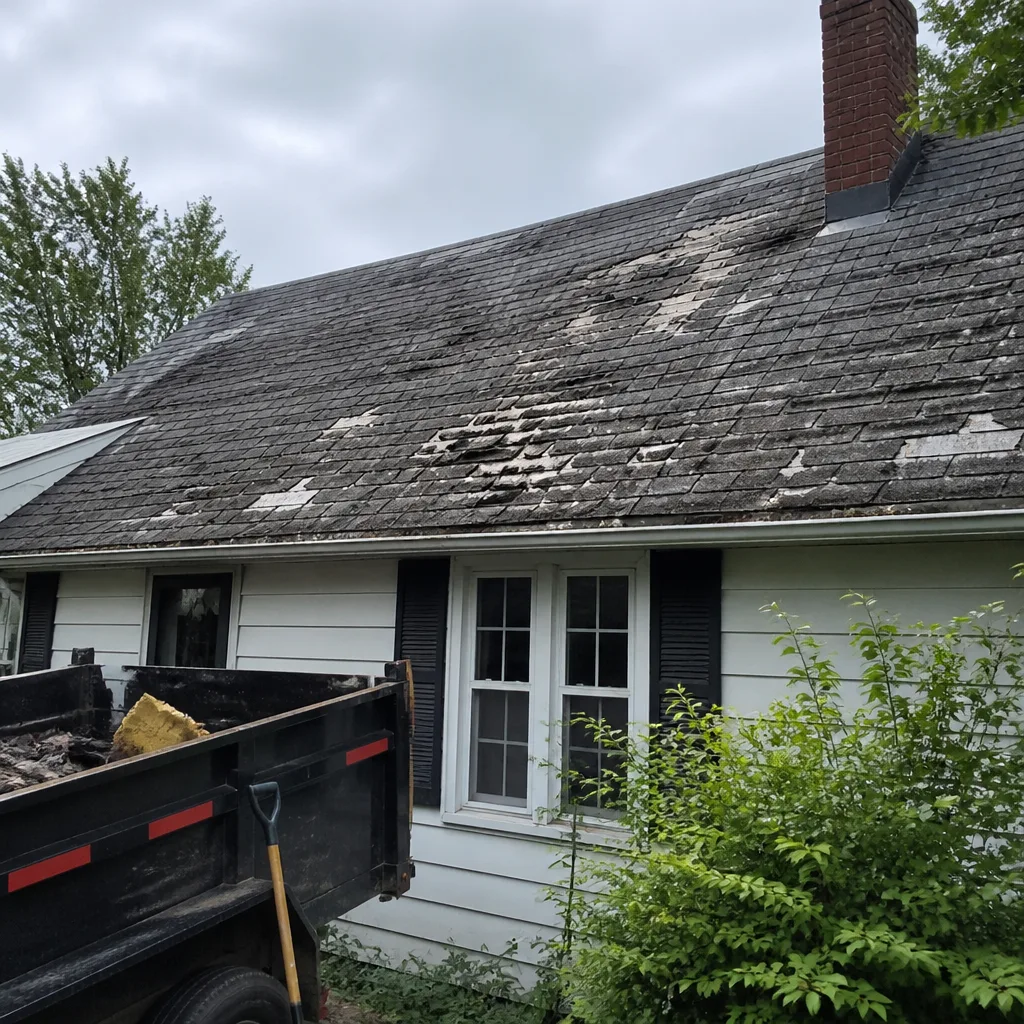 Before
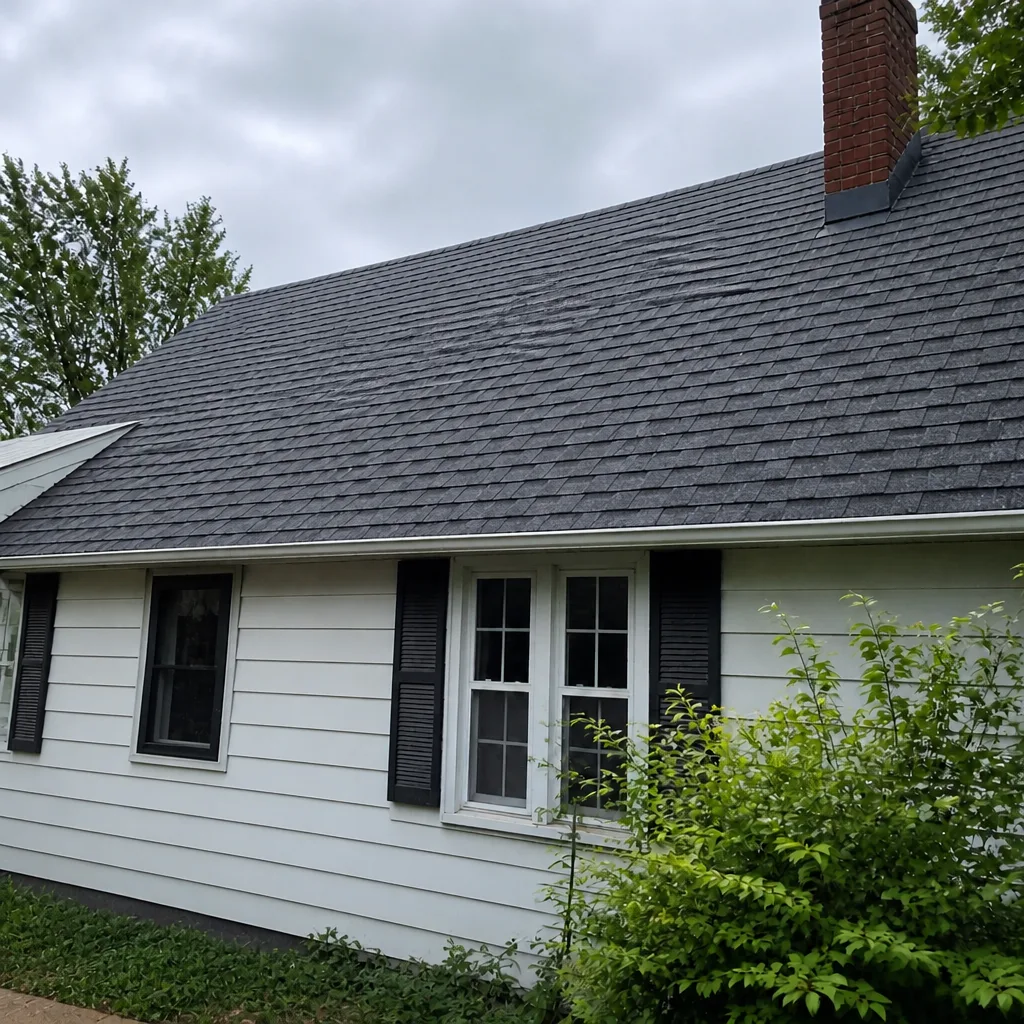 After
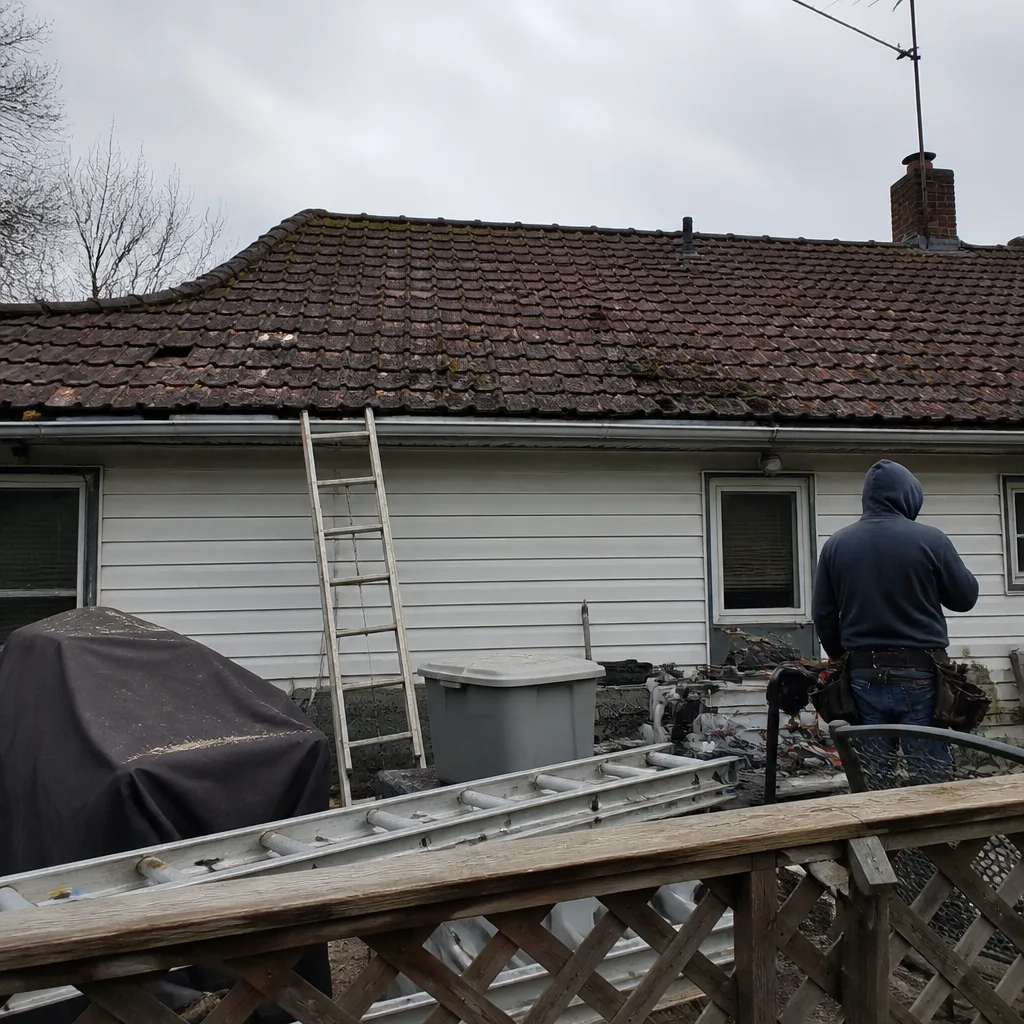 Before
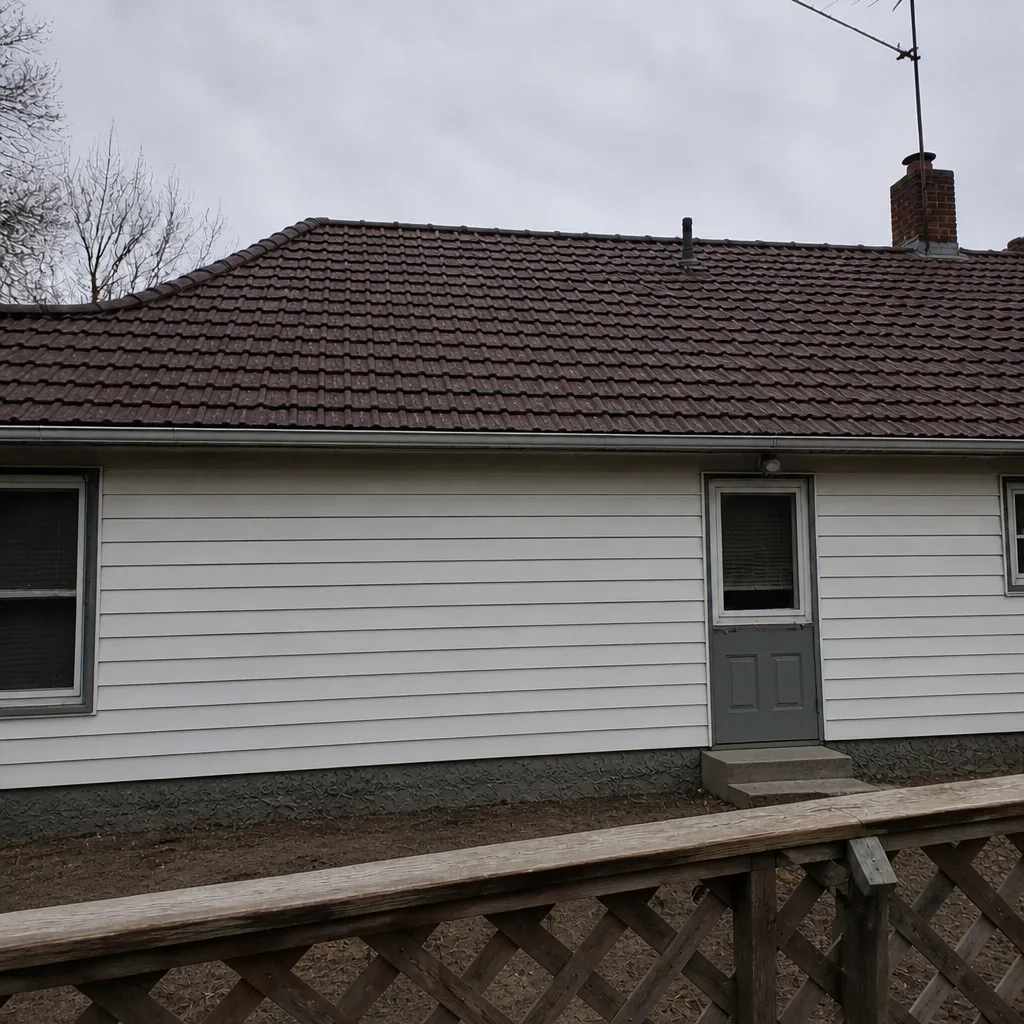 After
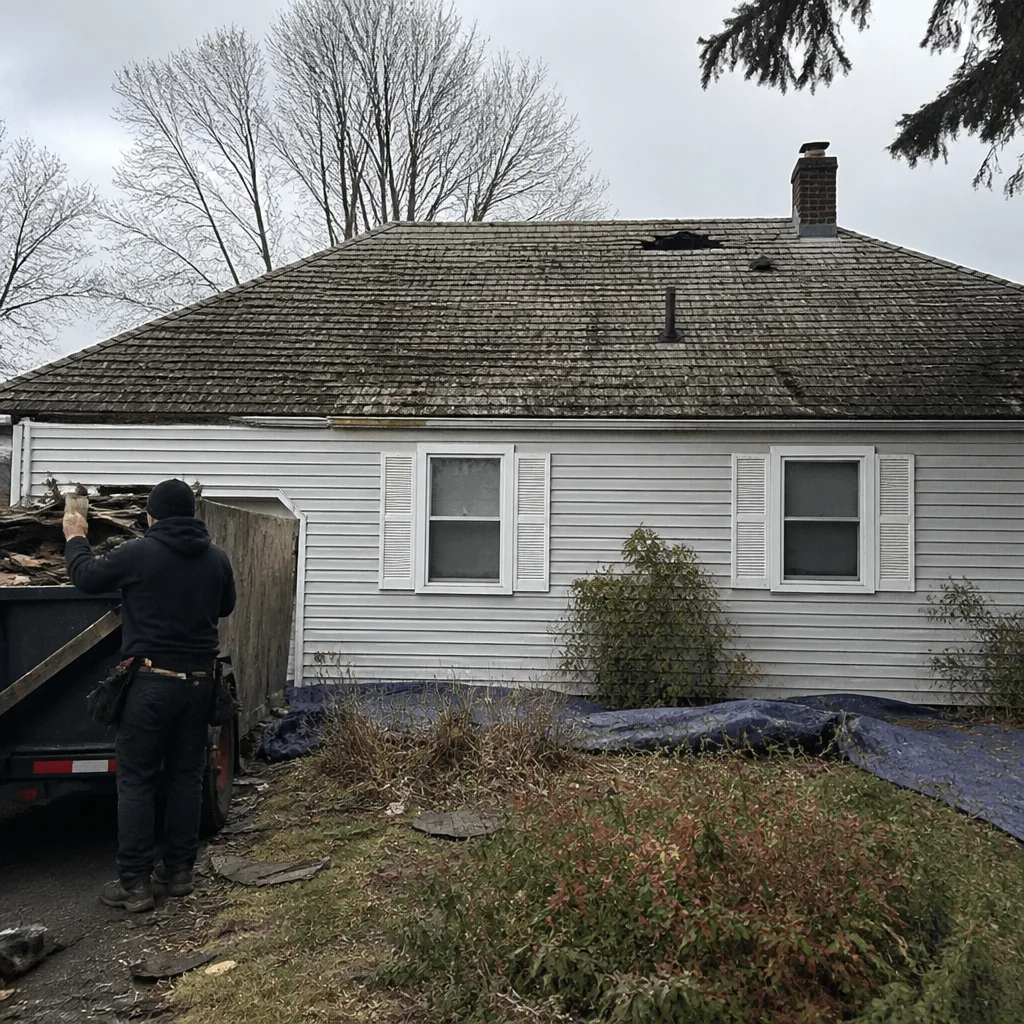 Before
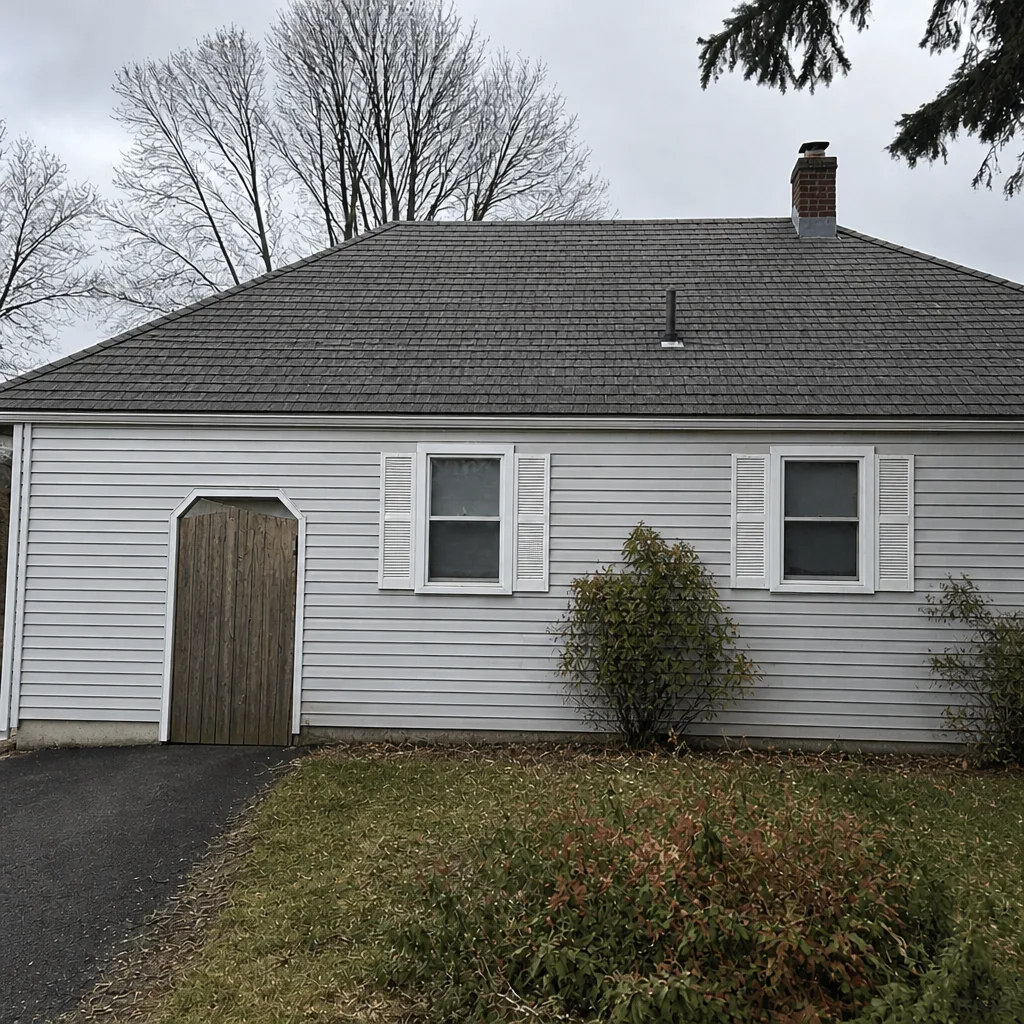 After
When to Call a Professional
Call when you see water staining on a ceiling or along a top-floor wall, granules accumulating in gutters, missing or lifted shingles after a wind event, or daylight visible through the roof deck from inside the attic. Call if ice dams are forming repeatedly along the eaves, if flashing around a chimney is loose or patched for the third time, or if a contractor’s bid left you more confused than before you asked.
Roof work at height is genuinely dangerous, and a fall has lifelong consequences. That’s a trained professional’s job, not a weekend project. We inspect it honestly, then tell you exactly what it needs – repair or replace, nothing more. Valor Roof Repair offers free estimates in Rochester. Call (855) 473-8654. We answer 24/7. Fast dispatch from 7am to 7pm, Sunday through Friday.
Frequently Asked Questions
Most full replacements on a typical Rochester home land between $12,000 and $22,000, depending on size, material tier, and how much decking repair the tear-off reveals. Architectural asphalt sits mid-range; metal pushes toward and past the top of that band. Call (855) 473-8654 for an exact quote – estimates are free and line-itemized.
Only if the written scope changes. The written estimate sets the final price, so the one variable to nail down beforehand is what happens if rot is found under the existing shingles. Get that contingency priced and approved in writing before any tear-off begins. Call (855) 473-8654 to walk through a bid you’ve already received.
We address permit responsibility in the written estimate, and it should be explicit on any bid you accept. Most municipalities require a permit for a full replacement, so confirm the specific rule for your address with your city’s building department. Call (855) 473-8654 and we’ll tell you how we handle it on your job.
Most residential replacements take one to three working days once materials are on site and weather cooperates. Complexity, pitch, and the number of penetrations drive the range more than square footage does. Call (855) 473-8654 for a timeline based on your specific roof.
Almost always, when the damage is localized. A targeted repair typically runs $450 to $2,800, against five figures for a replacement, and that’s the right call whenever the roof has real service life left. A proper inspection decides which applies to your roof. Call (855) 473-8654 to schedule one.
Compare across tiers rather than chasing one brand name. GAF and CertainTeed cover the premium end, Tamko and Boral give you solid value-tier options, and the right choice depends on your roof’s pitch, your budget, and your long-term plans for the house. Call (855) 473-8654 and we’ll walk you through the options we install.
The Bottom Line
The spread between a $9,000 and a $22,000 quote for the same roof is a scope story, not a pricing scandal. Once you standardize the nine line items, add the Rochester-specific drivers like pitch and chimney flashing, and normalize optional lines before comparing, the fog clears. Do the worksheet before you look at the bottom line. When two normalized bids land close together, decide on warranty clarity and how directly the contractor answered your questions – not on the cheaper number. And when a diagnosis first would tell you whether you need a repair at all, get the diagnosis. Valor Roof Repair quotes repair and replacement the same way: honestly, in writing, sized to the actual problem.
If you’re comparing bids right now for a home in Rochester, or you’re not yet sure whether you’re looking at a repair or a replacement, that conversation costs nothing. Call (855) 473-8654 for a free estimate. We answer 24/7. Fast dispatch from 7am to 7pm, Sunday through Friday.
Written by the team at Valor Roof Repair.