
Last updated November 14, 2026
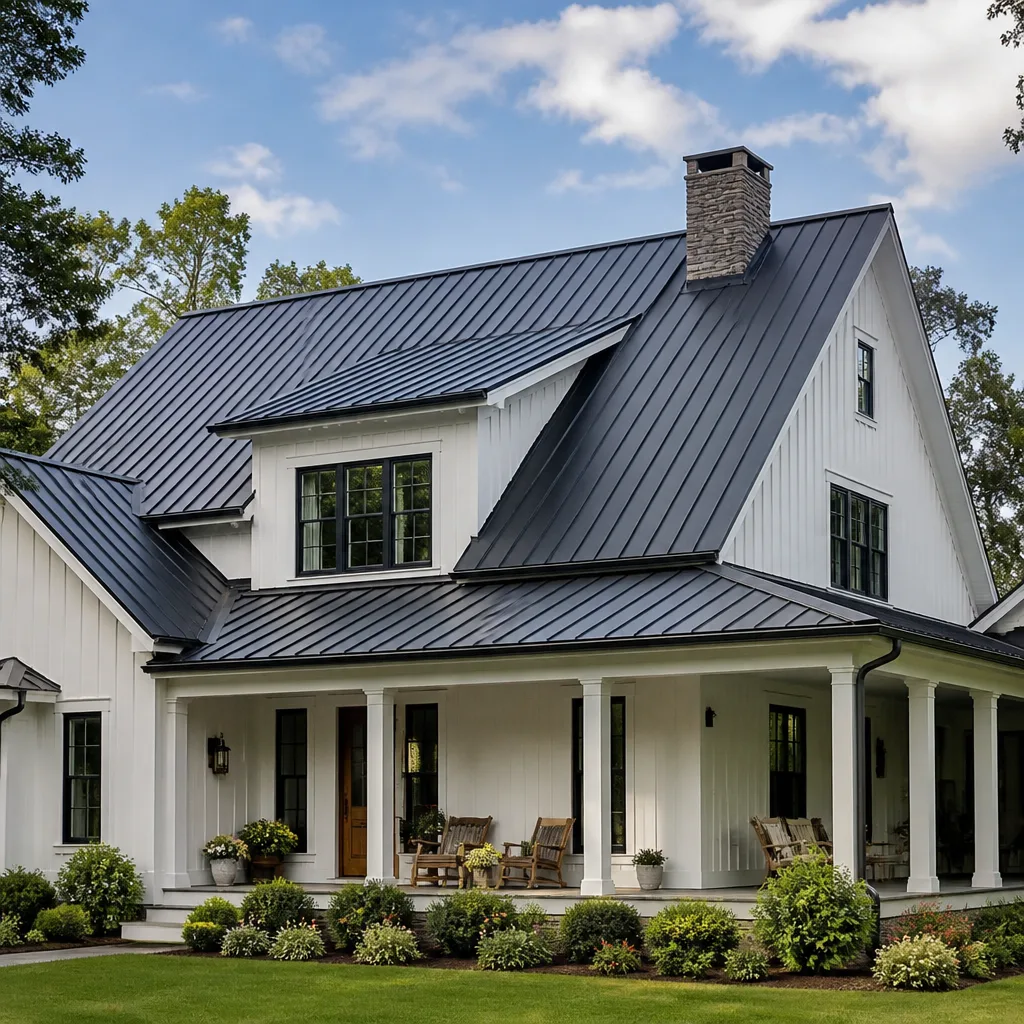 Metal roofing
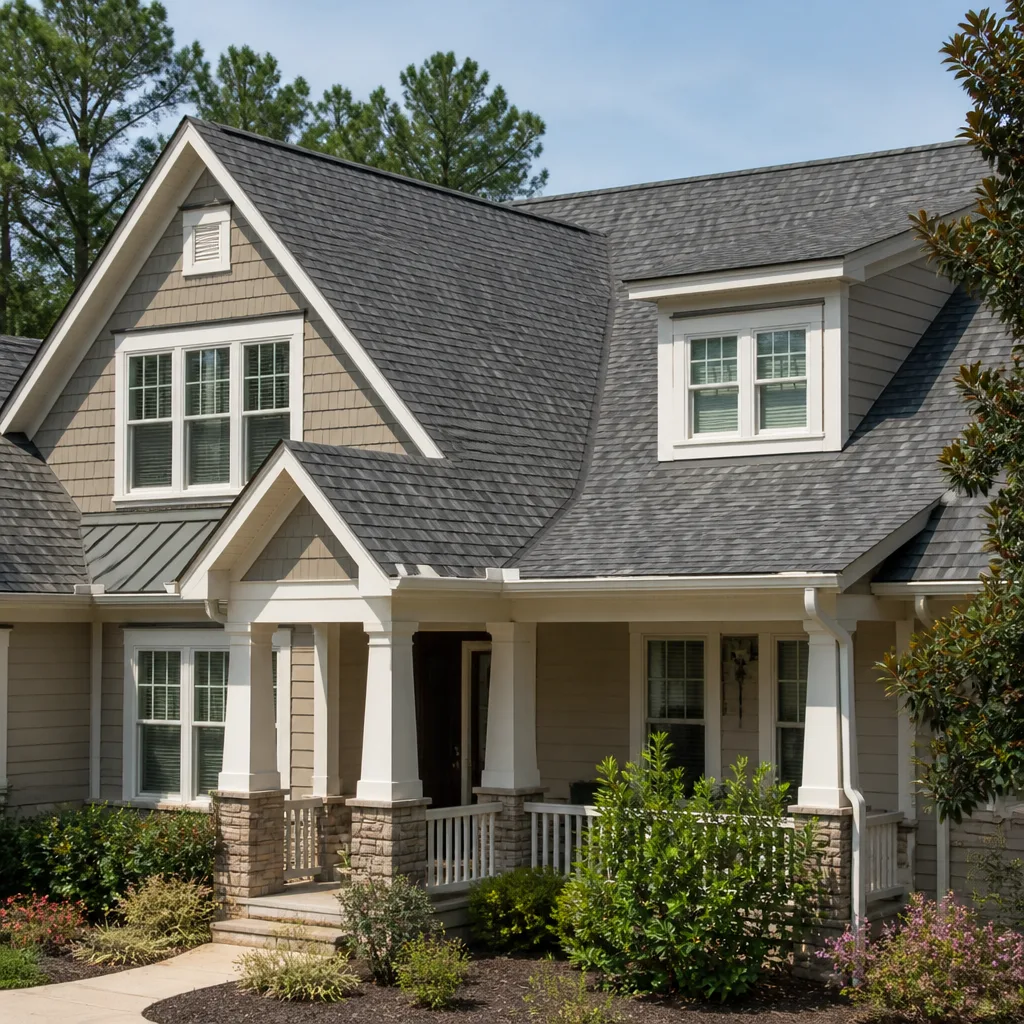 Architectural shingles
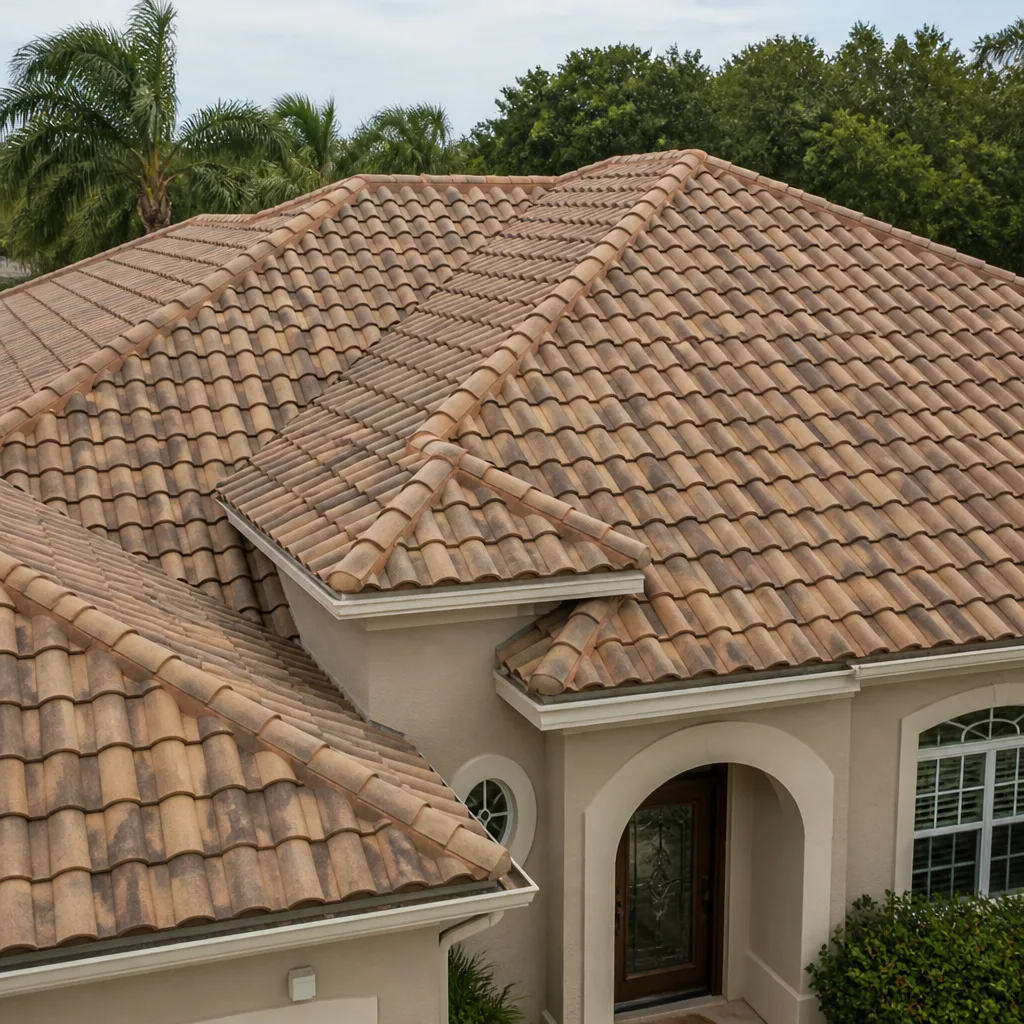 Tile roofing
 GAF
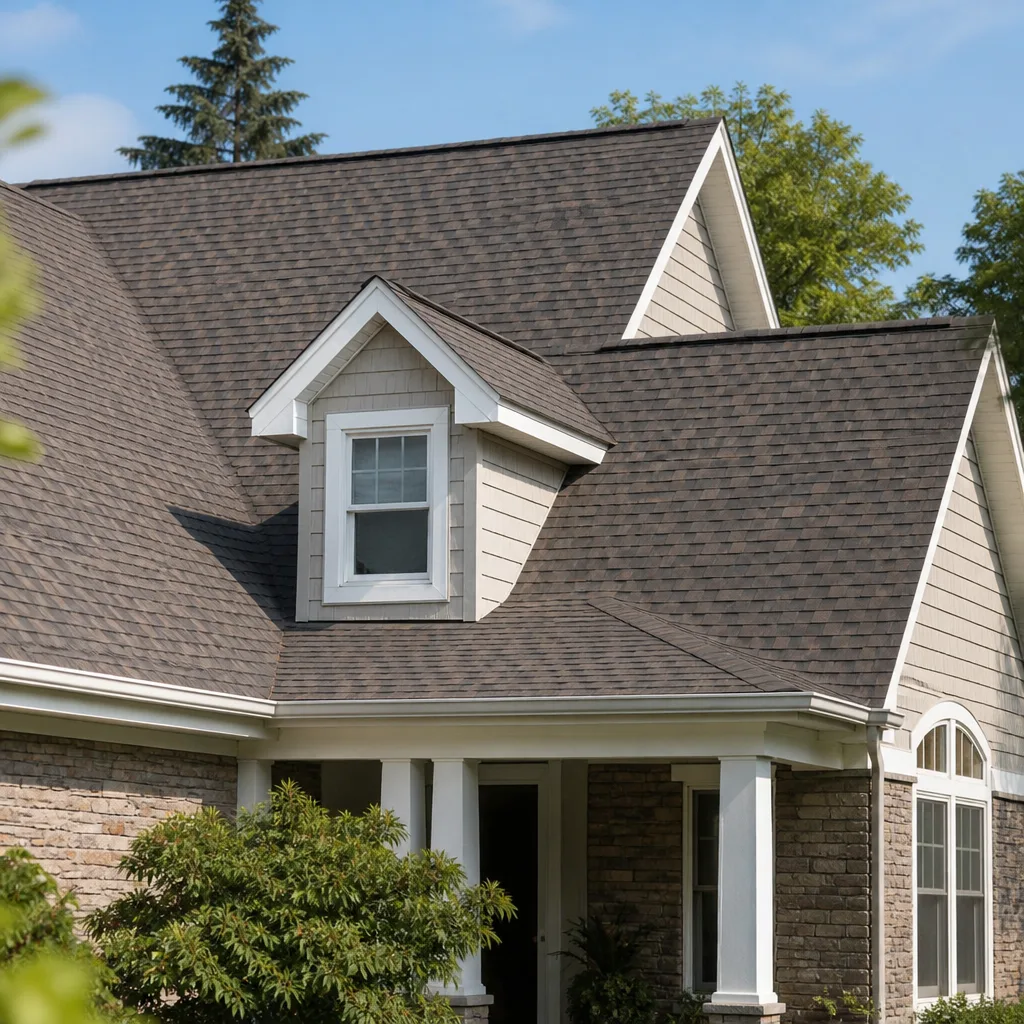 Owens Corning
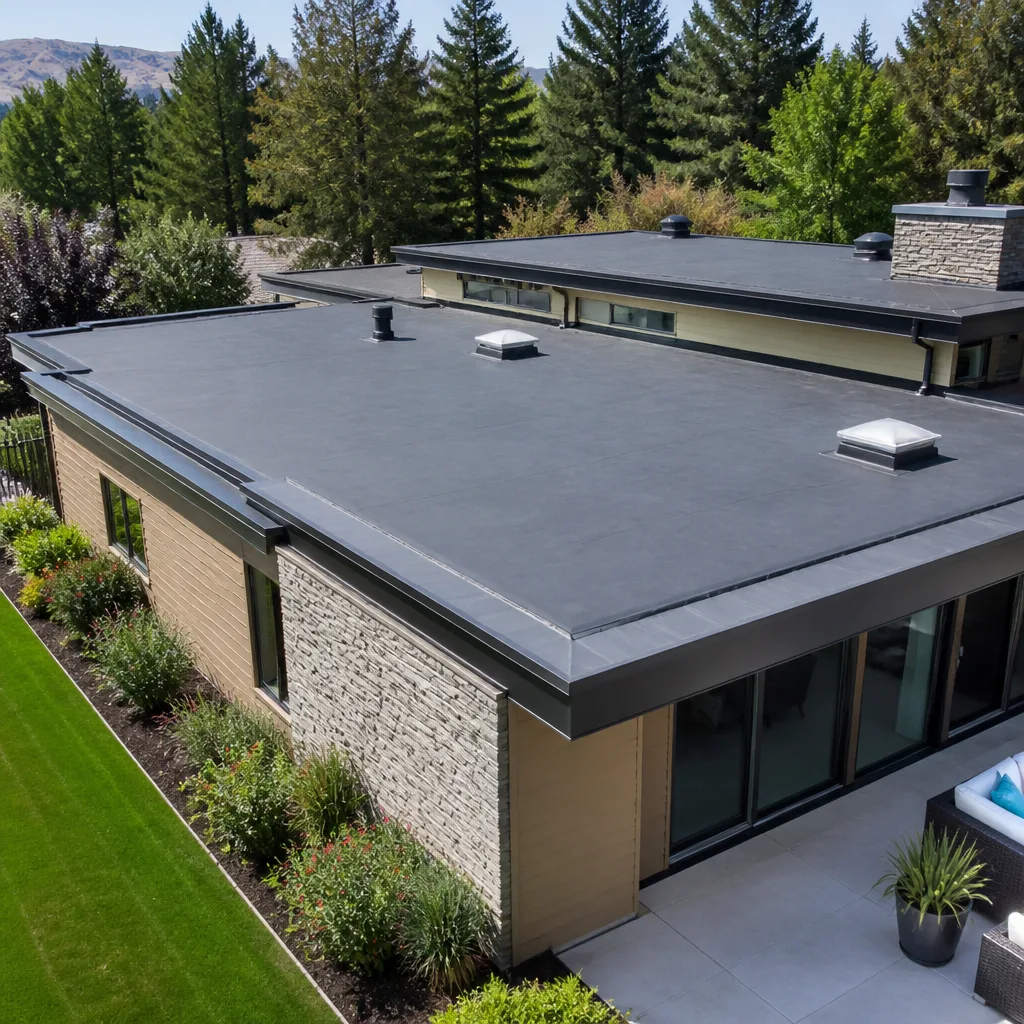 Flat & low-slope
Free roof inspection with deck photos before we talk money - GAF and Owens Corning certified installation
Roofing Permits, Codes & Inspections in Rochester, NY: What You Need to Know
Here’s the part most Rochester homeowners learn too late: a roof replacement done without the required City of Rochester or Monroe County permit can void your homeowner’s insurance coverage for that roof, and the contractor who skipped it is long gone by the time anyone asks. Permits feel like paperwork. In practice they’re the paper trail that proves your roof was built to code, and that trail matters at insurance claim time and at resale. This guide walks through when Rochester and Monroe County actually require a roofing permit, what a real code inspection checks beyond the shingles, how unpermitted work surfaces during a title search, and what it costs to fix the problem before you sell.
Quick Answer
Roofing permits in Rochester, NY are required for most structural and full-replacement work, and the specific triggers depend on which municipality you live in: the City of Rochester enforces its own code, while surrounding Monroe County towns like Greece, Pittsford, and Brighton each run their own permitting offices with their own thresholds and inspection schedules. Repairs below the local threshold often don’t need a permit, but any job that replaces decking, alters roof structure, or swaps out a full roof covering usually does. The contractor pulling the permit is responsible for scheduling inspections, and those inspection records are what protect you at resale.
Styles & brands we work with
- Architectural shingles
- Metal roofing
- Tile roofing
- GAF
- Owens Corning
- Flat & low-slope
Table of Contents
- Do You Need a Roofing Permit in Rochester, NY?
- City of Rochester vs. Monroe County Towns: How the Rules Differ
- What a Code-Compliant Roof Inspection Actually Checks
- How Unpermitted Roofing Shows Up at Resale
- Retroactive Permits: Process and Cost
- New York State Energy Code and Your Roof Replacement
- Why Rochester’s Climate Makes Code Compliance Matter
- How to Choose a Rochester Roofing Contractor Who Pulls Permits
Do You Need a Roofing Permit in Rochester, NY?
Most full roof replacements and structural roof repairs in Rochester require a permit. Small, targeted repairs often don’t. The line between the two is where homeowners get into trouble, because “small repair” gets stretched to cover jobs that genuinely trigger a permit.
As a general rule, plan on a permit for any job that involves:
- Removing and replacing the entire roof covering down to the deck
- Replacing or repairing roof sheathing and decking
- Changing the roof’s slope, profile, or framing
- Adding, moving, or resizing skylights, roof vents, or chimneys
- Installing new underlayment, ice-and-water shield, or flashing across the whole roof
- Any job where the roof structure itself is being altered
Repairs like replacing a handful of damaged shingles, sealing a small flashing leak, or patching a localized area typically fall below the threshold in most Monroe County municipalities. But because the thresholds differ town by town, the safe move is always to call the local building department and ask about your specific address before work begins. If the crew you’ve hired starts work without confirming, that’s a signal.
What a lot of Rochester homeowners don’t realize: the permit requirement is tied to the property, not the contractor. If unpermitted work happens on your roof, the compliance problem is yours to fix at resale, even if the contractor cut the corner. As a Valor Roof Repair team, we treat the permit as part of the job, not an add-on, because the inspection record is what actually proves the roof was installed to code.
City of Rochester vs. Monroe County Towns: How the Rules Differ
Monroe County doesn’t have a single roofing permit rule. The City of Rochester runs its own code enforcement through the city building department, and each surrounding town – Greece, Brighton, Pittsford, Penfield, Webster, Irondequoit, Chili, Henrietta – handles permitting through its own office. The permit thresholds, the inspection schedule, and the documentation required can all differ between them.
What that means practically:
- Confirm the correct jurisdiction for your address. A home in Irondequoit follows Irondequoit’s rules, not the City of Rochester’s, even though the two share a border. If you’re unsure which municipality covers your address, your building department can confirm in a quick phone call.
- Ask what triggers a permit in that town. Some municipalities require a permit even for partial deck replacements; others allow repairs up to a certain area without one. The threshold is not standardized across Monroe County.
- Ask about the inspection schedule. Cities and towns may require an inspection at framing or decking stage, another at final completion, or both. Some small jurisdictions only require a final inspection.
- Ask what documentation the town expects at close-out. Some require the permit and inspection card to be filed with the property record; others just close the permit and move on. The difference matters when you sell.
In practice, we’ve found that homeowners in Rochester’s older neighborhoods – the Park Avenue area, Beechwood, Maplewood – run into permit issues more often because roof systems there are older, original construction, and repairs are more likely to escalate into replacement once the deck is exposed. Knowing the local threshold before the job begins saves a lot of scrambling later. If you’re already past that point and need to know whether roof repair or replacement is the right call, we can help you sort through it.
What a Code-Compliant Roof Inspection Actually Checks
A roofing inspection by a municipal code officer is not a shingle quality inspection. It’s a structural and safety review. Homeowners who assume the inspector is looking at the shingles often miss what the inspector is actually checking, and that gap explains some preventable failed inspections.
The core items a code inspector typically reviews:
- Decking and sheathing condition. Rotted or delaminated plywood or OSB has to be replaced, not covered. This is where a “simple re-roof” turns into a bigger job, and where an inspector who catches poor decking is doing you a favor.
- Fastener schedule and nailing pattern. Shingles have a manufacturer-specified nailing pattern, and inspectors check that the pattern is followed. Incorrect nailing voids most material warranties.
- Ice-and-water shield placement. In cold climates like Rochester’s, the shield is required at specific areas: eaves, valleys, and around penetrations. Placement matters as much as presence.
- Ventilation. Intake and exhaust venting has to balance. A roof installed with insufficient ventilation ages faster and can fail inspection in municipalities that enforce attic venting code.
- Flashing at valleys, walls, and penetrations. Improper flashing is one of the most common sources of leaks, and most codes have specific requirements for how flashing is integrated into the roof assembly.
- Drip edge and underlayment order. Installation sequence matters. Underlayment under drip edge, or drip edge over underlayment – getting the order wrong causes premature failure.
Inspection timing varies by municipality. Some Rochester-area towns require a decking inspection before the shingles go on, which means the contractor needs to schedule the inspector at the right point and not cover the deck prematurely. A contractor who knows the local inspection schedule plans around it. A contractor who doesn’t ends up pulling the roof apart twice.
How Unpermitted Roofing Shows Up at Resale
Unpermitted roofing doesn’t stay hidden forever. It surfaces during a title search or a municipal records check at resale, and by then the homeowner owns the problem – the contractor who did the work is rarely reachable. Rochester’s housing stock includes a lot of older homes, which means title searches tend to turn up more permit history, and unpermitted additions or roof replacements get flagged more often.
The typical sequence at resale:
- Offer accepted, title ordered. The title company runs a search and, depending on the municipality, pulls open or missing permit records from the local building department.
- Discrepancy flagged. A roof that shows no permit record for a recent replacement, but a recent permit history for other work, stands out. So does a replacement that was done in a way that the town has no inspection record for.
- Buyer’s lender or inspector raises the issue. Some lenders will require a retroactive permit or a compliance letter before closing. Others require the seller to address the issue in escrow.
- Timeline impact. Retroactive permitting, especially when documentation is missing, can add weeks to a closing. Buyers get nervous, sellers get frustrated, and the deal is sometimes renegotiated or lost.
Insurance is the other half of this. If a roof was installed without a permit and it fails, the insurance company can argue the roof wasn’t code-compliant at installation. Coverage for that roof can be denied or limited, and the replacement cost lands on the homeowner. In our experience, the homeowners who ask about permits up front almost never have this problem later, and the ones who chose a contractor on price alone end up sorting it out at the worst possible moment.
Retroactive Permits: Process and Cost
If you discover that roofing work was done on your Rochester-area home without a permit, the fix is a retroactive permit – sometimes called an after-the-fact permit or a compliance permit. It’s not the end of the world, but it does take time and money, and the process varies by municipality.
The typical process:
- Contact the local building department. Request a record search for your address and confirm what’s missing from the permit history. Some towns pull records quickly; others take a few business days.
- Submit a retroactive permit application. Some towns require an inspection of the existing work; others require documentation of the installation and materials used.
- Schedule and pass the inspection. This is where the condition of the work matters. If the original installation wasn’t code-compliant, the inspector will flag it, and corrections are required before the permit closes.
- Address any corrections. Common corrections include improper flashing, missing ice-and-water shield, insufficient ventilation, or decking issues that weren’t addressed at the time. Corrections are billed separately and the total cost can vary widely based on the scope of what’s non-compliant.
- Close the permit and file the record. Once the inspection passes, the town records the permit as closed, and that record is what protects you at resale.
Cost is the part homeowners ask about most. Retroactive permits are charged by the permitting municipality, and the fee is based on the scope of work and the town’s fee schedule. On top of the permit fee, any corrections needed to pass inspection are billed as additional roofing work. There’s no flat number because the correction scope depends entirely on what the inspector finds, but the total is usually much less than the cost of a failed sale or a denied insurance claim. If you don’t know whether your roof has an open permit, a call to your local building department is free and takes minutes.
New York State Energy Code and Your Roof Replacement
New York State’s Energy Code applies to roof replacement and roof alteration projects, and it’s a section most homeowners never hear about until the inspector brings it up. The code affects how insulation and ventilation are addressed during a roof replacement, and it can push a project from a straightforward re-roof into a scope that requires careful insulation decisions.
What the Energy Code affects, practically:
- Attic insulation decisions. When a roof replacement exposes the attic space, code requirements for ceiling insulation levels and air sealing apply. Insulation upgrades during a roof replacement are often more cost-effective than retrofitting afterward.
- Ventilation balance. The Energy Code complements the building code’s ventilation requirements, and one of the things inspectors look for is a balanced intake and exhaust system that keeps the attic dry. Rochester’s humid summers and cold winters make attic moisture management more than a formality.
- Roof assembly choices. Certain assemblies – for example, vented versus unvented roofs – trigger different code treatment, and the choices made at installation affect long-term performance.
- Documentation. Most municipalities require documentation of what was installed, and energy compliance factors into close-out in some jurisdictions.
In practice, we’ve found that many Rochester-area roof replacements have insulation decisions made ad hoc: “we’ll just leave the existing insulation” or “we’ll add a couple of inches and call it done.” That’s where code compliance gets thin. If the Energy Code applies to your project – and it usually does on a replacement – the scope should reflect it, and the inspection record should show it. When we quote a roof replacement, insulation and ventilation are part of the conversation, not a forgotten footnote.
Why Rochester’s Climate Makes Code Compliance Matter
Rochester’s climate puts a real load on a roof system. Snow loads, freeze-thaw cycles, and humid summers all test the assembly, and the code items that Colorado or Florida might treat as secondary are load-bearing here: ice-and-water shield placement, ventilation, flashing at valleys and penetrations, and decking condition. That’s not a marketing line – it’s why the inspector cares about these items in Monroe County in a way that they might not elsewhere.
The lake-effect snow belt that runs south and east of Rochester brings heavier snow loads to towns like Webster, Penfield, and parts of Brighton and Pittsford. Ice damming at the eaves is a real risk when the roof assembly isn’t vented correctly or when ice-and-water shield is missing or misplaced. The Energy Code items above connect directly to this: a roof that’s vented wrong or insulated wrong is a roof that’s more likely to ice-dam, and ice damming is one of the most common sources of the interior water damage we see in Rochester.
That means the code inspection isn’t a box-checking exercise. It’s the moment when a trained inspector verifies that the roof assembly is actually going to perform in Rochester’s climate. When we inspect a roof in the area, we look at the same items the inspector will, because a job that’s designed around the local weather gets through inspection cleanly. Homes in the city’s older neighborhoods – the South Wedge, Corn Hill, the 19th Ward – tend to have older roof assemblies with thinner decking and less ventilation than newer construction, so the code check does more work there.
How to Choose a Rochester Roofing Contractor Who Pulls Permits
The single best way to avoid unpermitted work is to hire a contractor who pulls permits as a matter of course, and who doesn’t flinch when you ask. That question alone rules out most of the price-cutting operators who skip the permit step to keep their bid low.
Questions worth asking before you sign:
- “Will you pull the permit, and is it included in the quote?” A contractor who says permits are “the homeowner’s responsibility” is putting the compliance risk on you. Most reputable contractors pull the permit and include it in the written estimate.
- “Which municipality issues the permit for my address?” If the answer doesn’t match your town (City of Rochester vs. the surrounding Monroe County town), that’s a red flag.
- “Who schedules the inspections?” The contractor should schedule them and coordinate with the inspector, not leave it to you.
- “What documentation will I receive at close-out?” You should expect a closed permit record and inspection documentation. That record is what protects you at resale.
- “What’s your warranty, and does it require permits?” Many manufacturer warranties, including GAF and CertainTeed, are conditional on proper installation and, in some cases, documentation. Ask whether the warranty depends on the permit record.
- “Can I see the written estimate with line items?” A line-item estimate shows what’s included – permits, ice-and-water shield, ventilation, decking replacement – instead of a single round number.
One practical nuance: because material choice can affect inspection and warranty outcomes, the contractor should be able to install across brands rather than steering you to whatever is on hand. Valor works with seven brands – GAF, CertainTeed, Owens Corning, IKO, Atlas, Tamko, and Boral – so the recommendation is driven by your roof and your budget, not inventory pressure. Our technicians have up to 10 years of experience, and the inspection record comes with the same level of care. If you’re planning a project in Rochester, we’re always happy to talk through the permit side before you commit to anything.
Common Mistakes to Avoid
- Letting a contractor “handle the permit” verbally. If the permit isn’t in the written estimate, it’s not being pulled. Get it in writing, and get the permit number once it’s issued so you can confirm it with the town.
- Assuming Monroe County has one roofing rule. It doesn’t. The City of Rochester and each surrounding town set their own thresholds and inspection schedules, and a contractor who works mainly in one municipality may not know the rules in another.
- Accepting a low bid that “skips the paperwork.” The permit fee is small relative to the job, so a bid that omits it is often a sign of other shortcuts too – like omitted ice-and-water shield, thin underlayment, or a nail schedule that voids the warranty.
- Ignoring the Energy Code on a replacement. Insulation and ventilation decisions made during a roof replacement affect long-term performance and code compliance. Skipping them to save a line item in the bid costs more in the long run.
- Waiting until a buyer’s title search to check permit records. Pull your own permit history from the local building department before listing. It’s free, takes minutes, and it prevents closings from sliding.
- Treating a code inspection as a nuisance. The inspector catches condition issues that protect the homeowner – especially in older Rochester homes where decking and ventilation often need attention. A failed inspection is an early warning, not a punishment.
- Hiring on price alone and never asking about permits. The contractor who bid $4,000 less than everyone else is often the one who doesn’t pull permits, doesn’t carry insurance, or doesn’t follow code. The savings disappear at resale or claim time.
See the difference
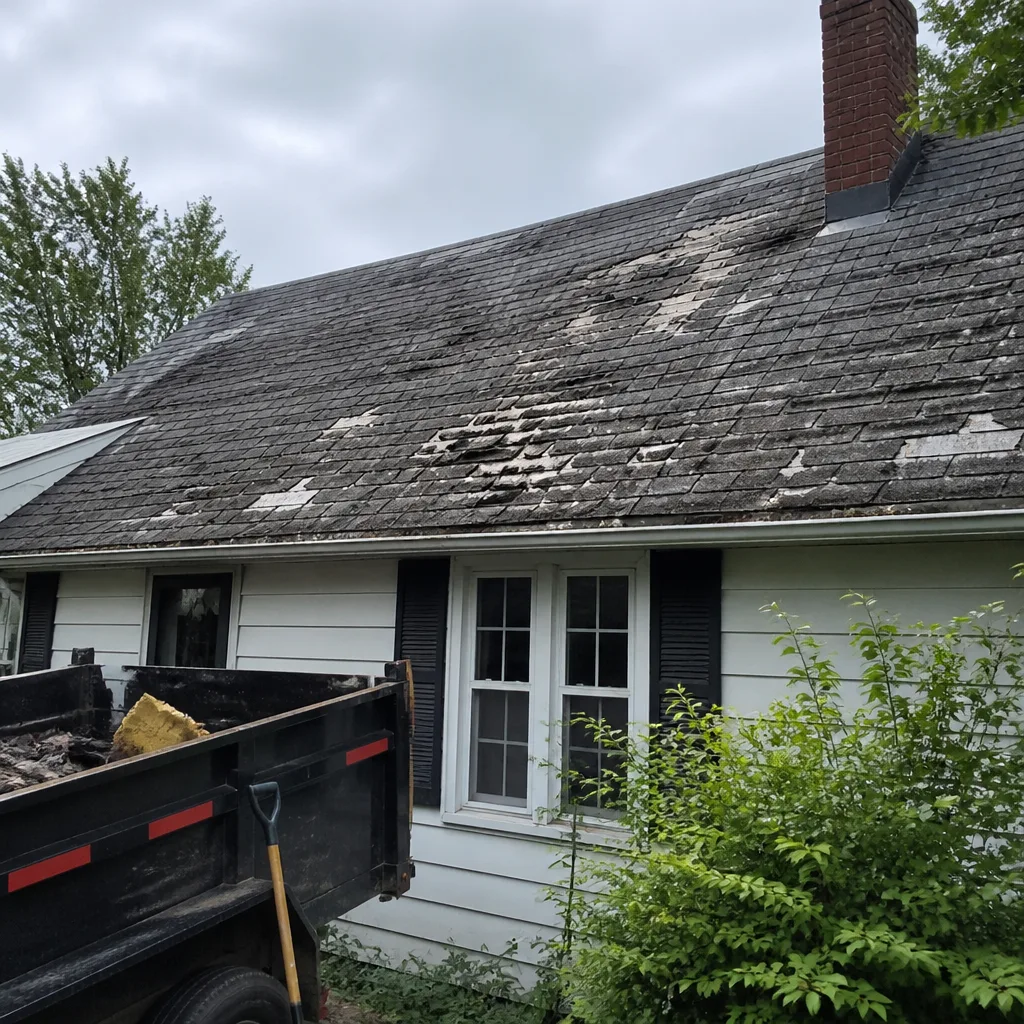 Before
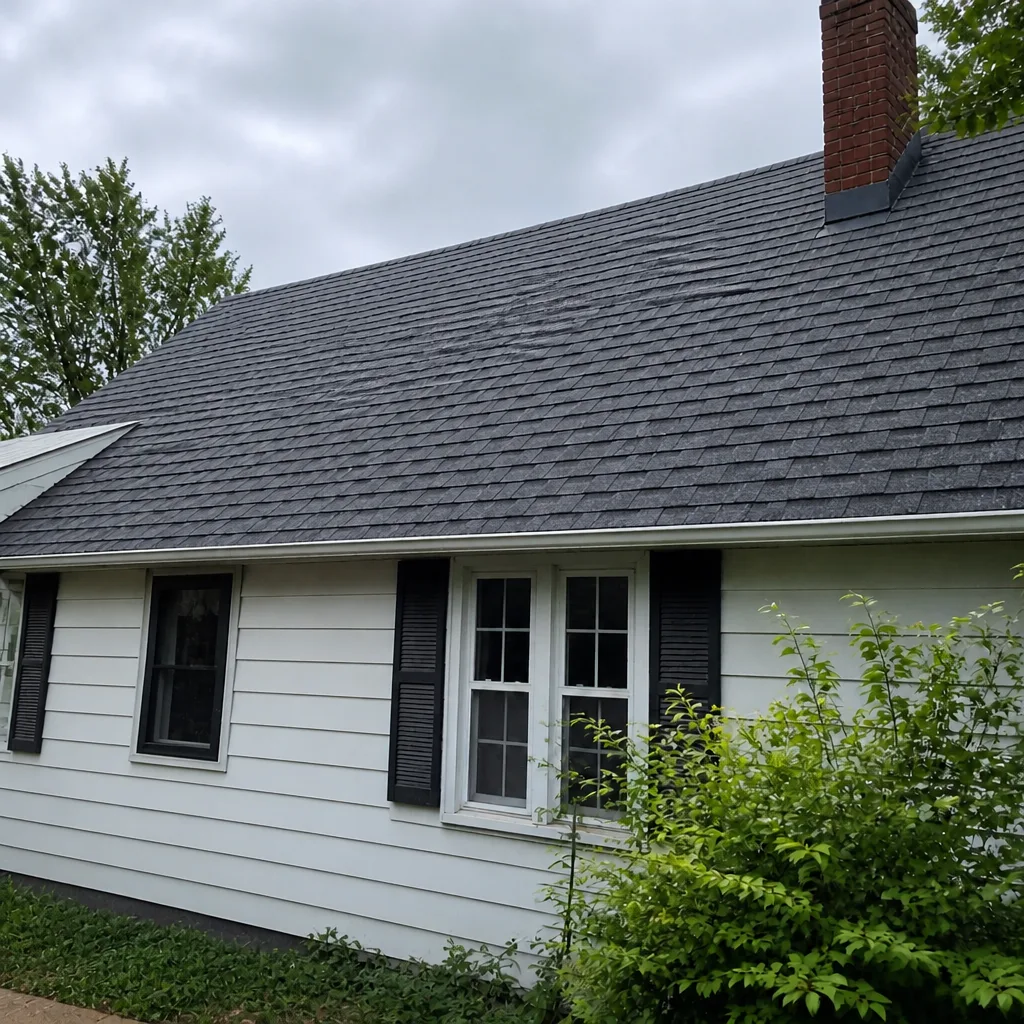 After
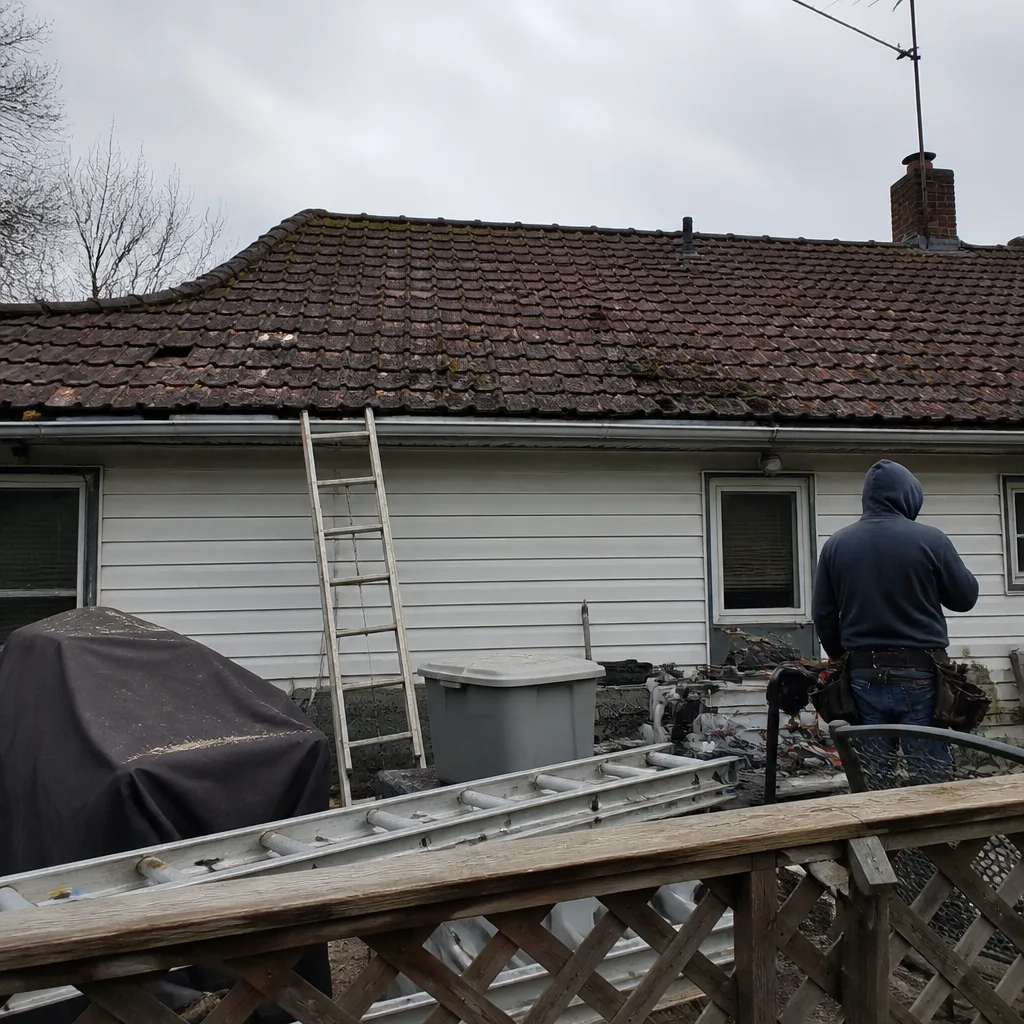 Before
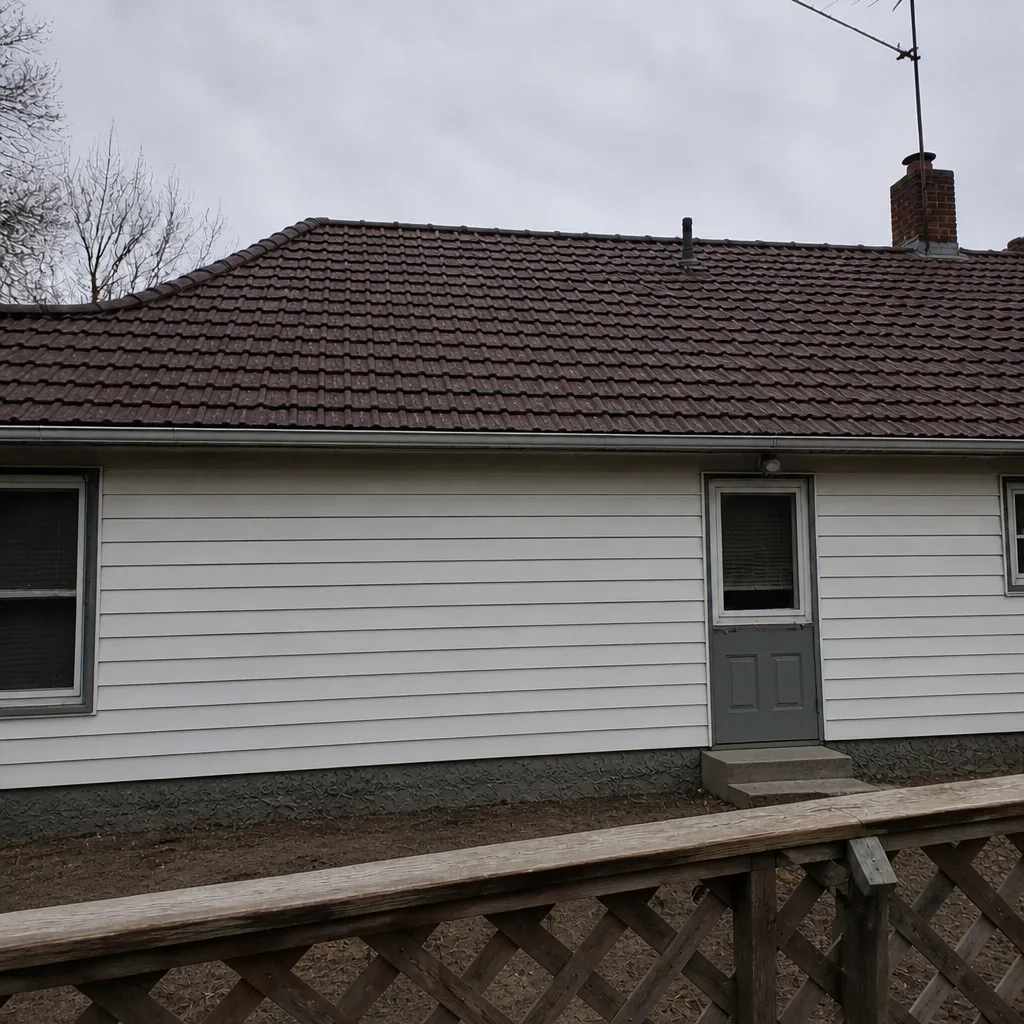 After
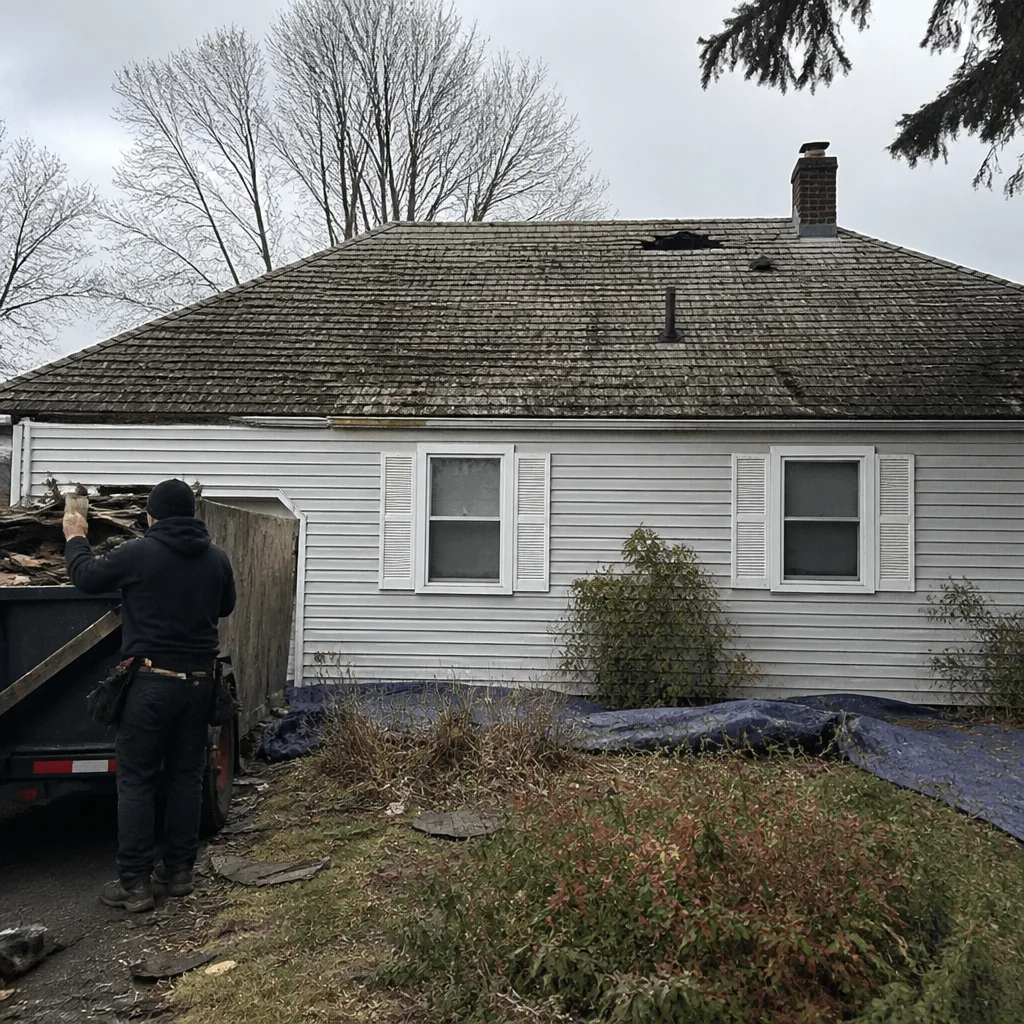 Before
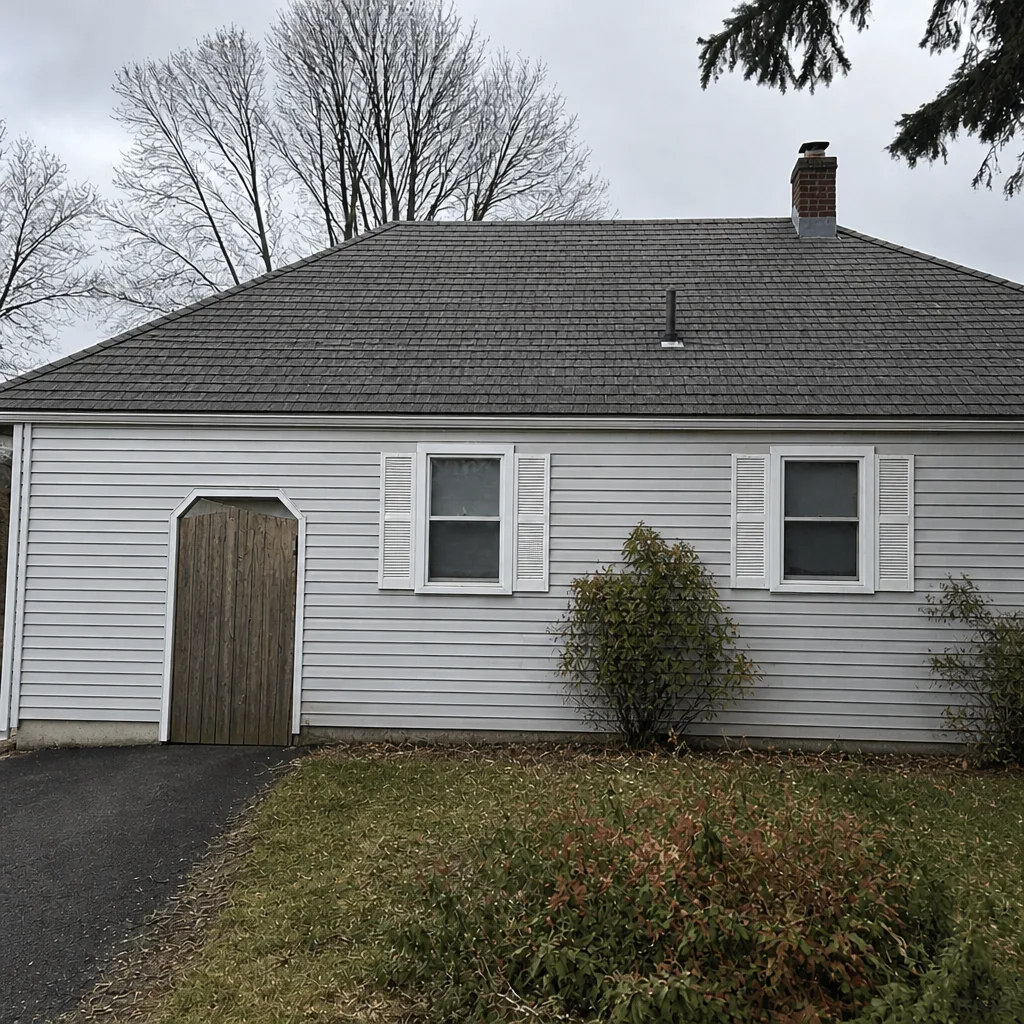 After
When to Call a Professional
Some permit and code questions are simple enough to answer yourself with a call to your building department. Others need a trained eye on the roof itself. Call a professional if you’ve bought a Rochester-area home with no permit history for a recent roof, if you’re planning a sale and want to confirm the roof is documented, if you’ve noticed interior staining or ice dams that suggest the roof assembly may not be code-compliant, if you’re considering a repair and aren’t sure whether a permit applies, or if you’re weighing repair against replacement and want an honest read on which one your roof actually needs. A proper inspection looks at the same items a code officer will: decking, ventilation, flashing, and the ice-and-water shield. Valor Roof Repair offers free estimates in Rochester, and we’ll tell you plainly what the roof needs and what it doesn’t. Call (855) 473-8654.
Frequently Asked Questions
Most full roof replacements in Rochester require a permit, and the specific trigger depends on your municipality: the City of Rochester and each surrounding Monroe County town has its own threshold and inspection schedule. Small repairs often don’t need one, but any job that replaces the roof covering down to the deck, alters decking or roof structure, or changes ventilation or penetrations usually does. Call your local building department to confirm the rule for your address, and call (855) 473-8654 for a free estimate if you want the permit side handled for you.
Timelines vary by municipality and by the workload of the local building department at the time of application. A simple re-roof permit can sometimes be issued within a few days, while permits that involve structural changes, decking replacement, or Energy Code items can take longer because they may require plan review. Plan for a buffer in your project schedule, and ask your contractor to apply for the permit early so the timeline doesn’t push your install date.
Unpermitted roofing is the property owner’s problem, not the contractor’s, once the work is done. It can complicate a sale (buyers’ lenders may require a retroactive permit or a compliance letter), and it can put insurance coverage for that roof at risk, because the insurer can argue the roof wasn’t code-compliant at installation. The fix is a retroactive permit from your local building department plus any corrections the inspector requires. Call (855) 473-8654 if you’re not sure whether your roof was documented and want a plain answer.
Often not. Small repairs – replacing a handful of shingles, resealing flashing, patching a localized leak – typically fall below the permit threshold in most Monroe County municipalities. But “small” is defined by your town’s code, not by the contractor, and a repair that exposes decking or changes the roof assembly can cross the line into permit territory. Ask your building department before the repair begins, and call (855) 473-8654 if you’d like us to look at the roof first.
A code inspection checks the structural and safety items, not cosmetic ones: decking condition, fastener schedule and nailing pattern, ice-and-water shield placement, ventilation balance, flashing at valleys and penetrations, drip edge and underlayment order. Some municipalities also require an Energy Code review covering insulation and attic venting. The inspector is verifying the roof will perform in Rochester’s climate, which is why the details matter more here than in a milder region. Call (855) 473-8654 to schedule a free inspection if you’re unsure about yours.
You can, but the sale often gets more complicated. A title search or municipal records check can flag the missing permit, and a buyer’s lender or inspector may require a retroactive permit, a compliance letter, or a price adjustment before closing. The cleaner path is to check the permit history before you list and get any retroactive permit in motion early. Call (855) 473-8654 and we’ll point you in the right direction.
The Bottom Line
Rochester roofing permits aren’t a technicality. They’re the record that proves your roof was installed to code, that your insurance coverage for it is intact, and that a future buyer won’t have to sort out someone else’s shortcut. The rules differ by municipality – City of Rochester versus each Monroe County town – so confirm the threshold for your address, expect a permit for full replacements and structural work, and know what the inspector actually checks. If you’re facing a roof project and want the permit and inspection side handled cleanly, Valor Roof Repair can help. We inspect it honestly, tell you what it needs, and don’t quote replacement when a repair will do. Call (855) 473-8654 for a free estimate.
Written by the team at Valor Roof Repair.