
Last updated November 14, 2026
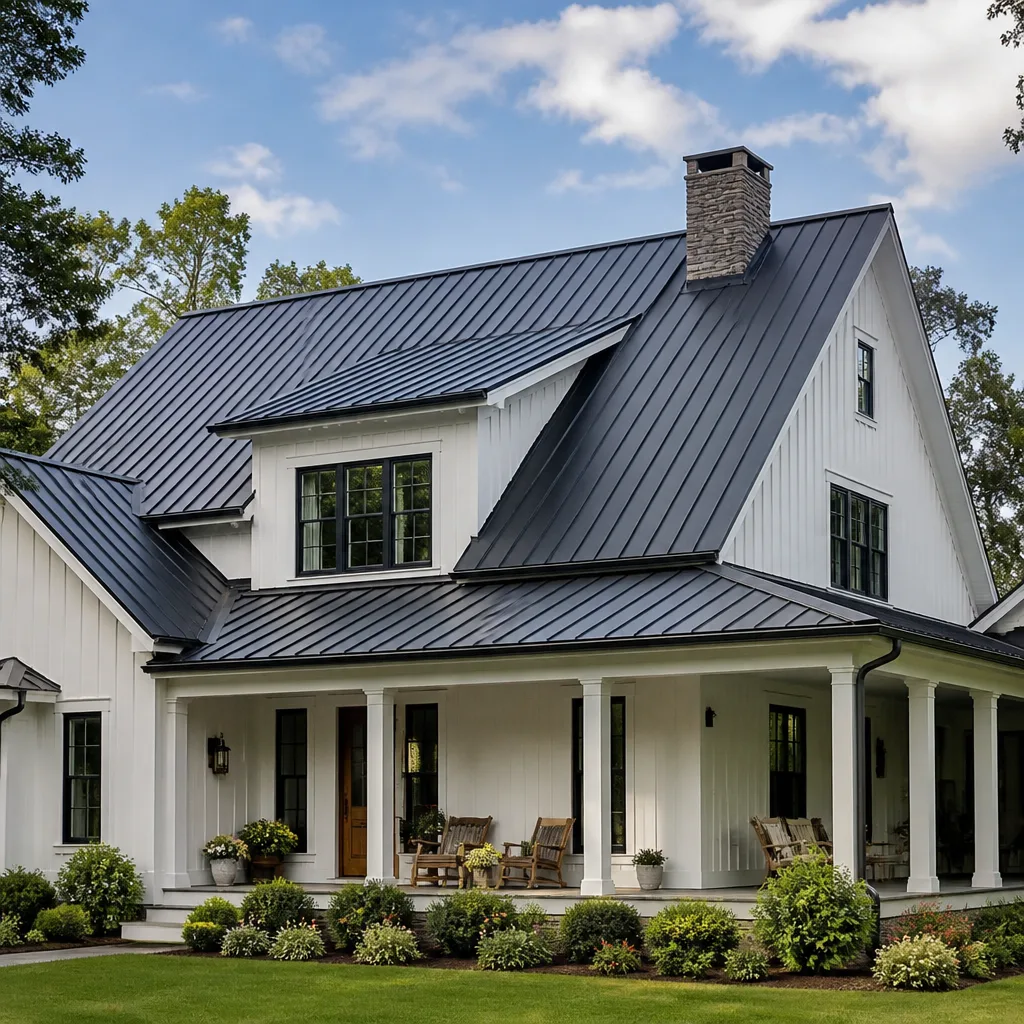 Metal roofing
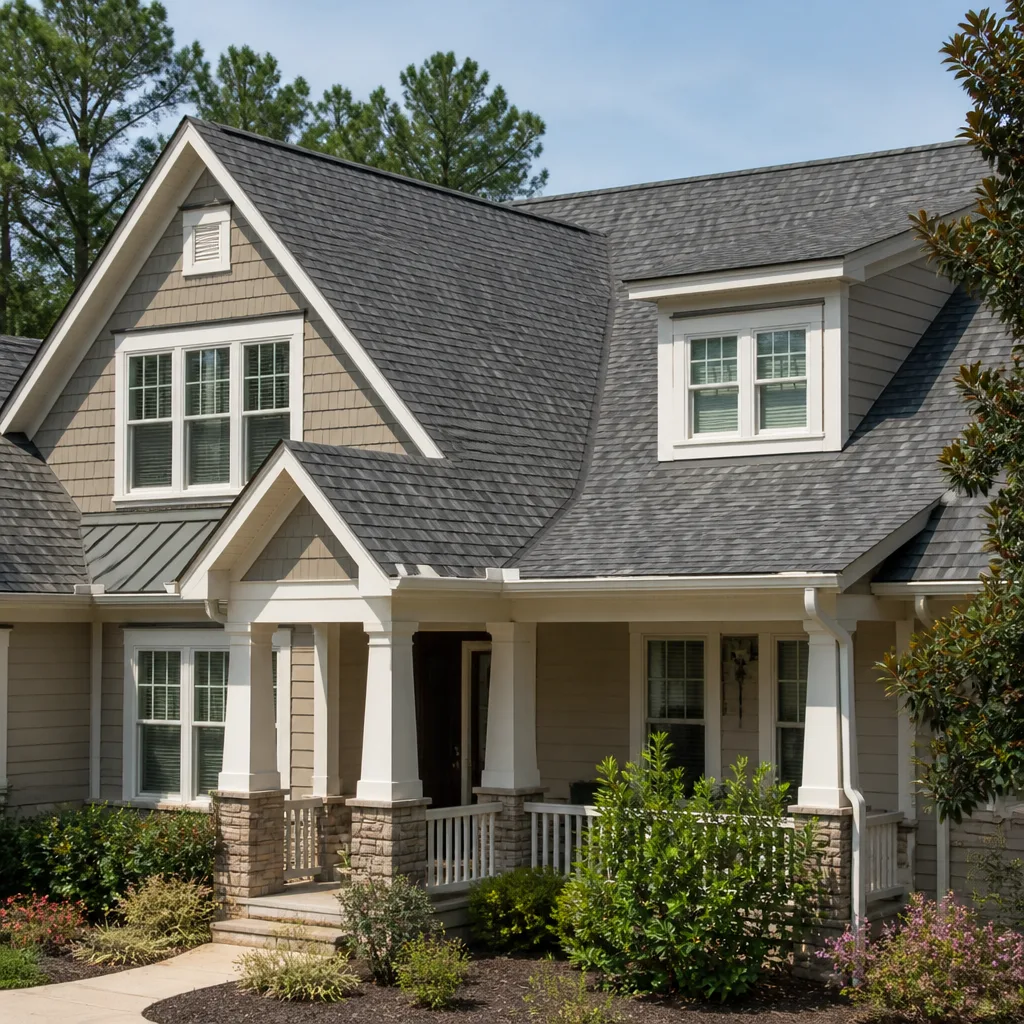 Architectural shingles
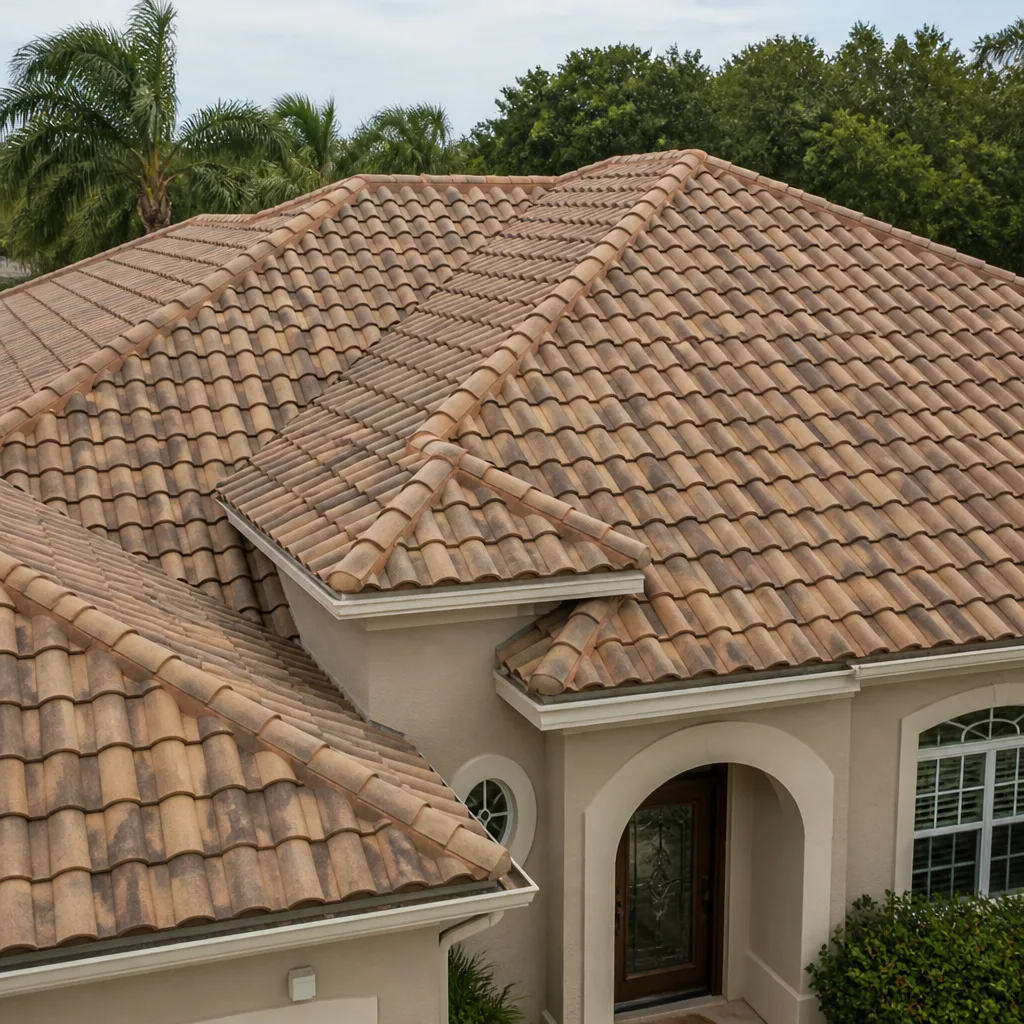 Tile roofing
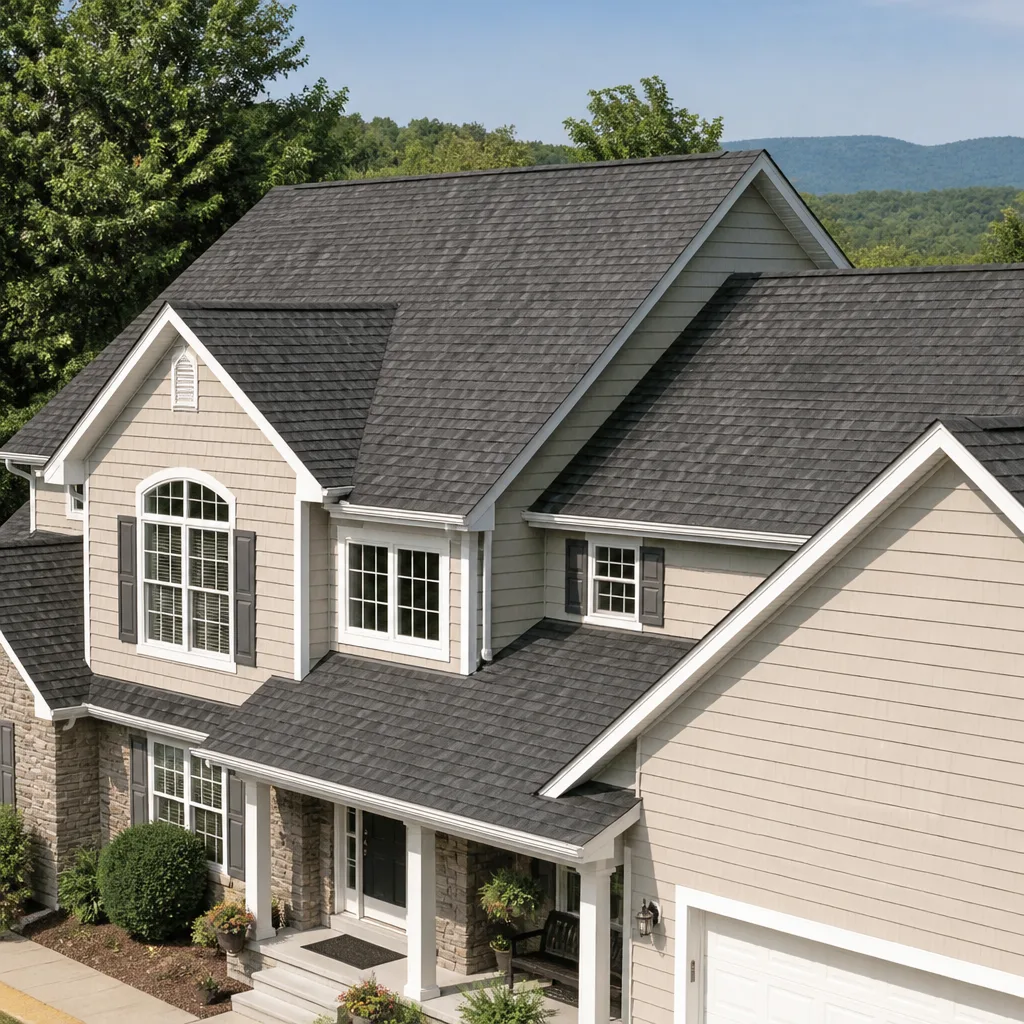 GAF
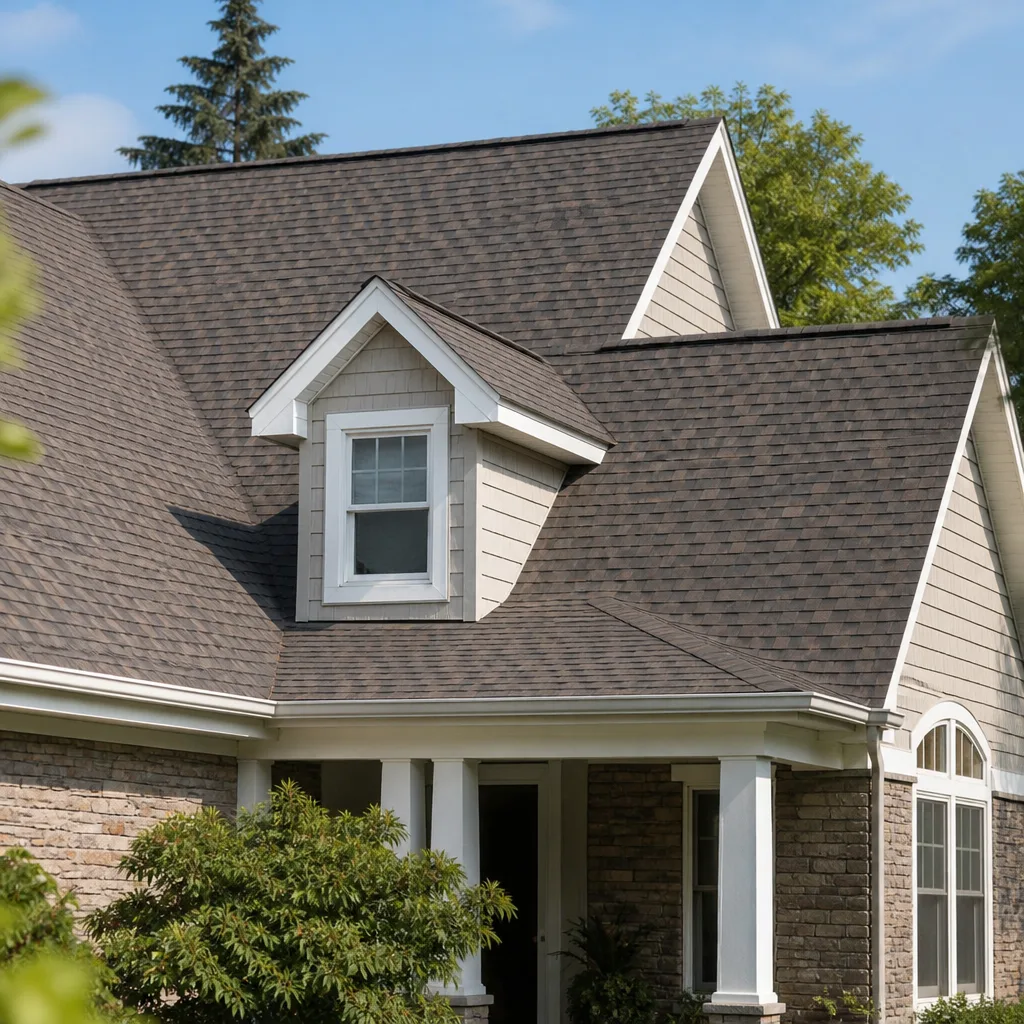 Owens Corning
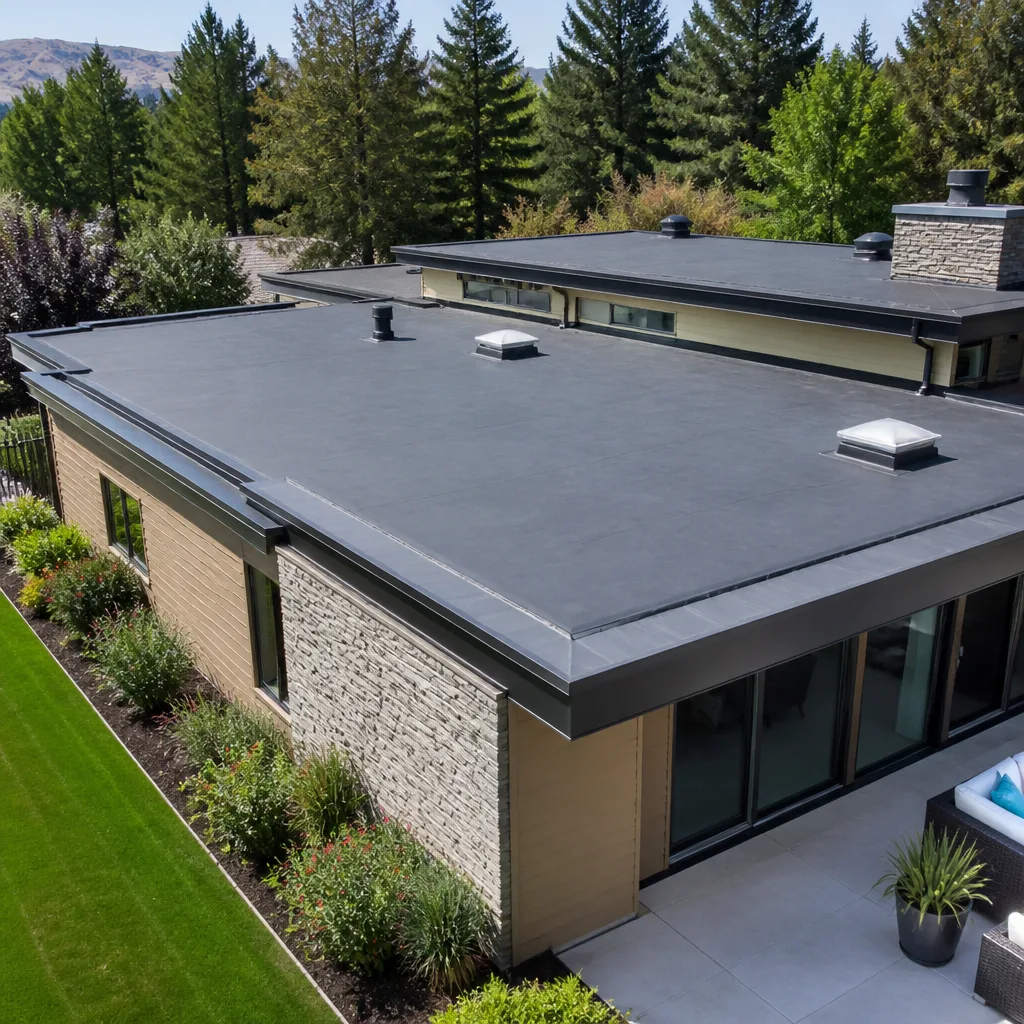 Flat & low-slope
Free roof inspection with deck photos before we talk money - GAF and Owens Corning certified installation
Choosing the Right Roofing Brand: A Buyer’s Guide for Rochester
The best-selling roofing shingle brand in the United States was developed and tested primarily for mid-Atlantic and Southern climates, which tells you almost nothing about how it holds up after its 30th Rochester freeze-thaw cycle. Most brand comparisons you’ll find online rank shingles by market share or star ratings. Those numbers say who sells the most, not who makes the right product for a roof that spends four months a year under snow load and the rest of the year cycling between freezing and thawing. Brand selection here is an engineering match, not a loyalty decision. In this guide, we’ll walk through the five specifications that actually matter in Rochester, how to read a Product Data Sheet without getting lost, and the questions that reveal whether a contractor is recommending a shingle or selling what’s in the warehouse.
Quick Answer
The right roofing brand for a Rochester home is the one whose tested specifications match this climate: a high wind uplift rating, a solid impact resistance class, verified low-temperature flexibility, algae resistance, and an ice-and-water shield that’s compatible with the shingle system. There’s no single “best” brand, because no single brand wins on every metric. Start with the roof’s condition and your budget, then compare brands against those five specs instead of against each other’s marketing.
Styles & brands we work with
- Architectural shingles
- Metal roofing
- Tile roofing
- GAF
- Owens Corning
- Flat & low-slope
Table of Contents
- The Five Technical Specs That Actually Matter in Rochester
- How to Read a Manufacturer’s Product Data Sheet
- A Side-by-Side Comparison Framework
- How Contractor Brand Preference Can Bias Recommendations
- Brand Tier, Certification, and the Warranty You Actually Get
- What Your Insurer and Your Roofer Want From the Same Shingle
- Repair or Replace: How the Decision Shapes Your Brand Choice
- The Questions That Separate an Objective Recommendation From a Convenient One
The Five Technical Specs That Actually Matter in Rochester
Rochester’s climate produces a specific set of stresses on a roof. Lake-effect snow loads the deck for weeks at a time. Repeated freeze-thaw cycles work at every seam and fastener. Summer thunderstorms throw wind-driven rain sideways, and warm-season hail, though uncommon here, still shows up often enough to leave its mark. When we evaluate a shingle for this market, five specifications do the heavy lifting.
- Wind uplift rating. This is the tested wind speed a shingle can withstand before failure, usually expressed in mph and tied to a specific installation method. A high rating only holds if the contractor follows the manufacturer’s nailing pattern and starter strip requirements. Rochester’s straight-line storm winds are why this spec sits at the top.
- Impact resistance class. Manufacturers test shingles against simulated hail impact and rate them from Class 1 to Class 4. Class 3 and Class 4 products resist granule loss and mat cracking far better than standard shingles. In a market where hail is occasional rather than routine, this is an insurance consideration as much as a durability one.
- Low-temperature flexibility. Shingles are tested for how they behave when bent or flexed in cold weather. A product with a poor cold-flex rating can crack during installation in a Rochester November and can develop hairline fractures once installed. This is the single most overlooked spec in our experience.
- Algae resistance. Most quality shingles now carry copper-infused granules that resist the dark streaking caused by algae. It’s not a Rochester-specific problem, but it’s a visible one, and it’s worth checking the warranty language around it.
- Ice-and-water compatibility. The shingle itself can’t manage ice dams. What matters is whether the shingle system pairs correctly with an ice-and-water shield membrane at the eaves and valleys. Rochester roofs need proper ice-and-water protection, and the best shingle on the market is only as good as the membrane under it.
No brand wins on all five. GAF and CertainTeed tend to lead on wind and impact resistance in their premium lines. Atlas builds strong value-tier products with respectable cold-flex numbers. IKO and Tamko offer solid mid-range performance. The point is to decide which specs your roof actually needs before you talk brands.
How to Read a Manufacturer’s Product Data Sheet
Every serious roofing manufacturer publishes a Product Data Sheet for each shingle line. It’s the document that lists tested specifications, installation requirements, and warranty conditions. Most homeowners never open one, which is a shame, because the PDS is where the marketing stops and the numbers begin. Here’s how to work through one.
- Find the cold-temperature installation limit. Look for language about hand-sealing or adhesive strip activation below a certain temperature. Most shingles require manual sealing in colder conditions. In Rochester, a late-fall or winter install has to account for this, and the PDS tells you what the limit is.
- Check the wind uplift rating and the required installation method. The rating is tied to a specific nailing pattern, usually six nails per shingle in high-wind zones rather than four. If a contractor quotes a wind rating, ask whether the installation followed the method that rating requires.
- Read the impact resistance classification. It’ll usually be listed as Class 1 through Class 4. Note whether the classification applies to the whole shingle line or only a specific product within it.
- Locate the warranty exclusions. This is the important part. Look for exclusions related to ice damming, improper ventilation, installation temperature, and wind speeds above the rated value. New York winters create several of these conditions, and the PDS tells you which ones are covered and which aren’t.
- Confirm the ice-and-water compatibility. The PDS will reference a specific underlayment and membrane system. If the shingle brand has a matching membrane product, that pairing is what the manufacturer will stand behind.
A Valor Roof Repair inspection includes walking through the relevant PDS sections with you. It’s the difference between a diagnosis and a sales pitch.
A Side-by-Side Comparison Framework
Here’s the comparison table we use, and the one we’d suggest you build for yourself before any contractor conversation. It’s organized by Rochester-relevant specs, not overall ratings. Fill it in as you gather Product Data Sheets.
- Wind uplift rating: __ mph. Installation method required: __ nails per shingle.
- Impact resistance class: Class __. Applies to entire line or specific product only?
- Low-temperature flexibility: Tested to __ °F. Hand-sealing required below __ °F.
- Algae resistance: Yes / No. Warranty period on algae resistance: __ years.
- Ice-and-water compatibility: Manufacturer-recommended membrane: __.
- Tier: Premium / Mid-range / Value.
- Typical installed cost: Varies by roof size and complexity. Get a written line-item estimate.
When we work with homeowners in Rochester, this framework usually reveals that two or three brands are genuine contenders and the rest fall away quickly. That’s the whole point. You’re not choosing between seven brands on a shelf; you’re narrowing to the ones that match your roof’s pitch, age, ventilation, and your budget. Boral, for instance, makes products that suit certain architectural profiles where a standard asphalt shingle would look out of place. Tamko offers competitive value-tier options that hold up well when paired with proper ice-and-water protection.
Run the comparison. Look at the numbers next to each brand. If two brands score similarly on all five specs, the tiebreaker is usually the contractor’s installation quality and the warranty support, not the brand name.
How Contractor Brand Preference Can Bias Recommendations
A contractor’s brand preference isn’t automatically dishonest, but it’s worth understanding where it comes from. The most common sources of bias fall into a few categories.
- Supplier relationships. A contractor who buys from one distributor gets better pricing and availability on that distributor’s brands. That’s a legitimate business reason, but it isn’t the same as a material recommendation for your roof.
- Certification requirements. Manufacturers offer certification programs that require installers to use their products and follow their methods. Certified installers get extended warranties for their customers, which is a real benefit. It’s also a reason the contractor will steer you toward that brand.
- Familiarity. Crews who work with one brand week in and week out get fast and consistent with it. That’s good. It’s also a reason they may not suggest a brand they haven’t installed in a while.
- Inventory pressure. Some contractors carry stock, and a stocked brand gets recommended more often. This is where the line between preference and pressure gets thin.
Here’s the test. Ask the contractor what they’d recommend if they had no relationship with any of the brands, and why. Ask which spec on your roof is the most marginal, and how each brand would address it. Ask what they’d recommend if you told them you wanted the value tier. A contractor with real range answers all three without hesitating. A contractor with a brand lock-in gives you the same name every time.
We intentionally carry GAF, CertainTeed, Owens Corning, IKO, Atlas, Tamko, and Boral because the right recommendation depends on the roof in front of us, not on which brand we happen to be certified with. If a repair will do the job, we’ll tell you that before we talk brands at all. That’s the repair-first approach we built our name on, and it’s why our material recommendations are driven by your roof’s condition and budget rather than by inventory pressure.
Brand Tier, Certification, and the Warranty You Actually Get
Brand tier and warranty length aren’t the same conversation, though they’re usually sold together. Here’s how the three tiers break down and what each actually gets you on a Rochester roof.
Tiers first:
- Premium tier. GAF, CertainTeed, and Owens Corning sit here. Their top shingle lines carry the strongest wind and impact ratings, the longest manufacturer warranties, and the strictest installation requirements. The warranty is often tied to certified installation under a specific program.
- Mid-range tier. IKO, Tamko, and most of Atlas’s catalog. Strong on wind uplift, respectable impact ratings, good cold-flex numbers, and a warranty structure that’s usually simpler to navigate. For a lot of Rochester homes, this tier delivers the best ratio of performance to cost.
- Value tier. Entry-level asphalt products and specialty products like Boral’s synthetic slate and shake lines, which earn their cost through appearance rather than track-record length. Right for the roof, wrong for a homeowner looking for the longest warranty.
Now the warranty piece, which is where the longest number isn’t always the best value. A premium-tier lifetime warranty often requires installation by a certified contractor following the manufacturer’s exact method, and the extended coverage usually applies to the first owner only or transfers with limited coverage. The exclusions on ice damming and ventilation matter on every roof in this climate. A shorter mid-range warranty that doesn’t require certification, and that stays intact through a straightforward install, can deliver more real protection than a premium lifetime warranty that a future owner can’t use. Ask what the warranty covers, who it covers, and what conditions void it. Those three answers tell you more than the year count.
What Your Insurer and Your Roofer Want From the Same Shingle
Insurance and roofing share a common concern in Rochester: storm resilience. Your insurer cares about impact resistance and wind uplift because those are the specs that reduce claims. Your roofer cares about them because they reduce callbacks. When a shingle carries a higher impact resistance class, some insurers will recognize it, though the specifics vary by carrier and policy. Ask your agent directly what documentation they’d need to credit a higher-rated shingle on your policy. That’s a practical question, and the answer is often the Product Data Sheet.
Wind uplift matters the same way. A shingle rated for high wind speeds but installed with a standard nailing pattern hasn’t actually been installed to its rating. The certification and inspection process is where this gets verified. If you’re planning a full roof replacement, the shingle spec, the nailing pattern, and the underlayment system should all be in the written estimate so you can confirm what you’re getting.
Lake-effect snow is the regional wildcard insurers watch for here. Deep snow loads stress every deck and seam, and the freeze-thaw cycles that follow are what turn small weaknesses into leaks. A shingle that performs well elsewhere may not perform well when it’s under snow load for weeks at a stretch. That’s why the low-temperature flexibility spec and the ice-and-water compatibility spec deserve as much attention as the wind rating.
Repair or Replace: How the Decision Shapes Your Brand Choice
Before you compare brands, you need to know whether you’re replacing a roof at all. This is the single biggest cost decision in the whole process, and it comes before brand selection. A damaged roof doesn’t automatically need replacement.
Here’s the sequence we walk through with every homeowner:
- Inspect. We check the roof surface, the flashing at chimneys and vents, the valleys, the gutters, and the attic side of the deck. We look for granule loss, cracked shingles, and any sign of moisture penetrating.
- Diagnose. We identify what failed. A single failed flashing detail or a wind-damaged section is a repair. Granule loss across the entire south slope, widespread cracking, or deck deterioration is a replacement conversation.
- Estimate. We give you a written estimate for what the roof actually needs. If repair will do the job, that’s what the estimate says.
- Choose materials only if replacing. If it’s a replacement, the five specs and the comparison framework above come into play. If it’s a repair, the brand question is usually about matching the existing shingle where possible or sourcing a close match from the closest tier.
In our experience, a lot of homeowners come in expecting a replacement quote and leave with a repair estimate, because the leak they found was one failed detail. And some come in expecting a repair and find that the roof is at the end of its service life. Roof repair is the first thing we look at on any call, because that’s what the diagnosis is for. The brand conversation only becomes relevant once the roof actually needs new shingles.
The Questions That Separate an Objective Recommendation From a Convenient One
If you want to know whether a roofing brand recommendation is objective, ask these questions and listen to how the answer is framed. A contractor who knows the material can answer them in plain language. A contractor pushing a specific brand will struggle with the follow-ups.
- Which spec on my roof is the weakest link? A good answer points to a specific concern, like ice-and-water at a valley or a low-pitch section that needs a different shingle line. A vague answer means the recommendation isn’t roof-specific.
- What would you recommend if I wanted the value tier? If the contractor only has a premium answer, they’re not comparing brands. If they have a real value-tier recommendation with the tradeoffs spelled out, they’re doing the work.
- What are the warranty exclusions for this shingle in a snow climate? Look for language about ice damming, ventilation, and installation temperature. A contractor who can’t answer this hasn’t read the Product Data Sheet recently.
- How will the install method change with this brand? Nailing pattern, starter strip, underlayment, and hand-sealing requirements all vary by brand. The right answer is specific.
- Who performs the work, and who stands behind it? You want one contractor accountable from inspection through final installation, not a sales layer and a separate installation crew with unclear responsibility.
- Would you fix this with a repair first? A roofing company that leads with repair, and only moves to replacement when the diagnosis calls for it, is showing you the recommendation isn’t driven by the sale.
Common Mistakes to Avoid
- Choosing a brand by market share. The most popular shingle in the country was developed for a different climate. Popularity tells you about distribution, not about how a shingle performs under Rochester snow loads and freeze-thaw cycles.
- Treating the warranty year count as the decision. A premium lifetime warranty with certification requirements, first-owner restrictions, and exclusions may cover less in practice than a shorter mid-range warranty that stays intact. Read the exclusions before you compare years.
- Comparing shingles by the cost per square foot alone. A cheaper shingle that fails at its cold-flex limit or loses granules early costs more over its service life. The estimate price is one number; the product’s tested performance is the other.
- Skipping the Product Data Sheet. Installation temperature limits, wind uplift methods, and warranty conditions are all in the PDS. Buying a shingle without reading its PDS is buying a product whose limits you don’t know.
- Ignoring the ice-and-water membrane spec. The shingle system is only as good as its underlayment at the eaves and valleys. On a Rochester roof, skipping the ice-and-water shield is the mistake that shows up as a leak in the first big snowmelt.
- Assuming a brand preference is a neutral recommendation. Contractors have legitimate reasons to prefer certain brands, including certification and availability. Ask the questions above to find out whether the recommendation is about your roof or about their supply chain.
- Not comparing repair and replacement before choosing any brand. The brand conversation is only relevant if you’re replacing. Get the diagnosis first, then move to materials.
See the difference
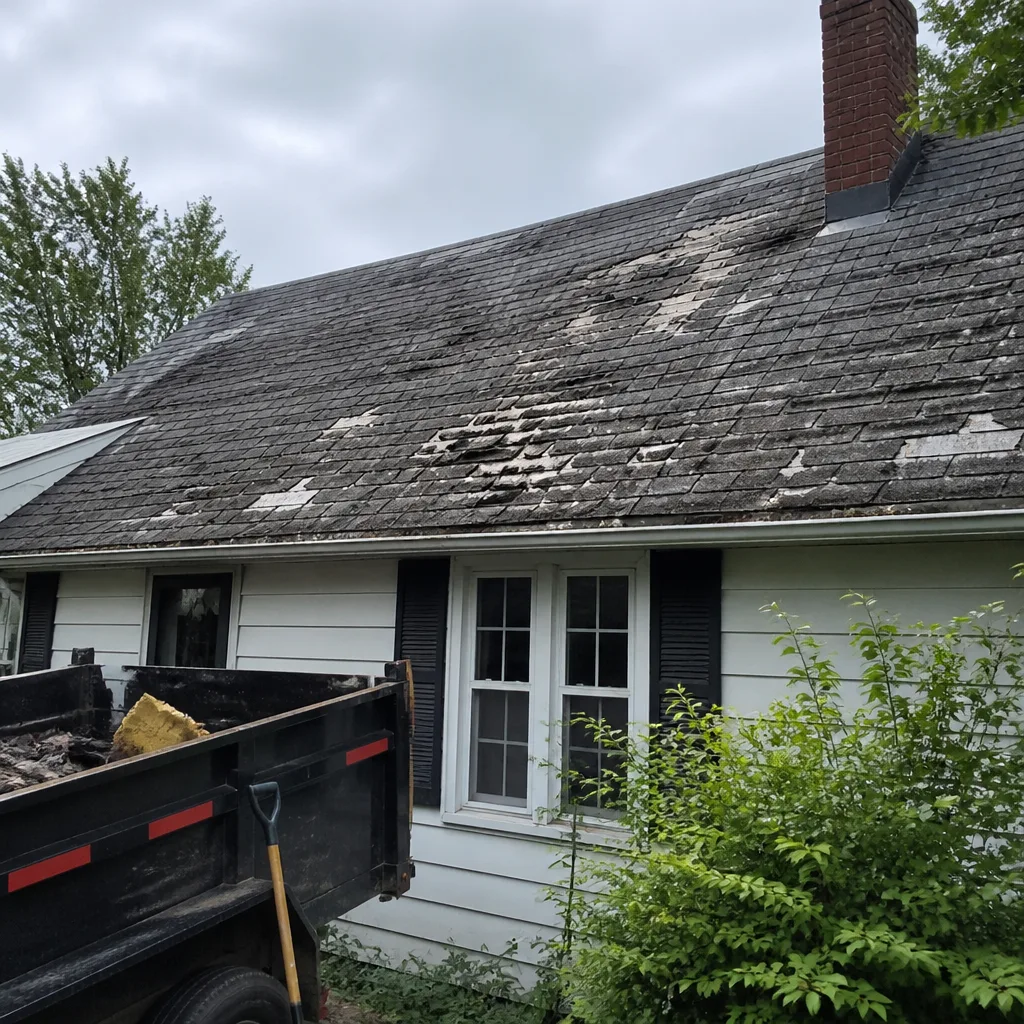 Before
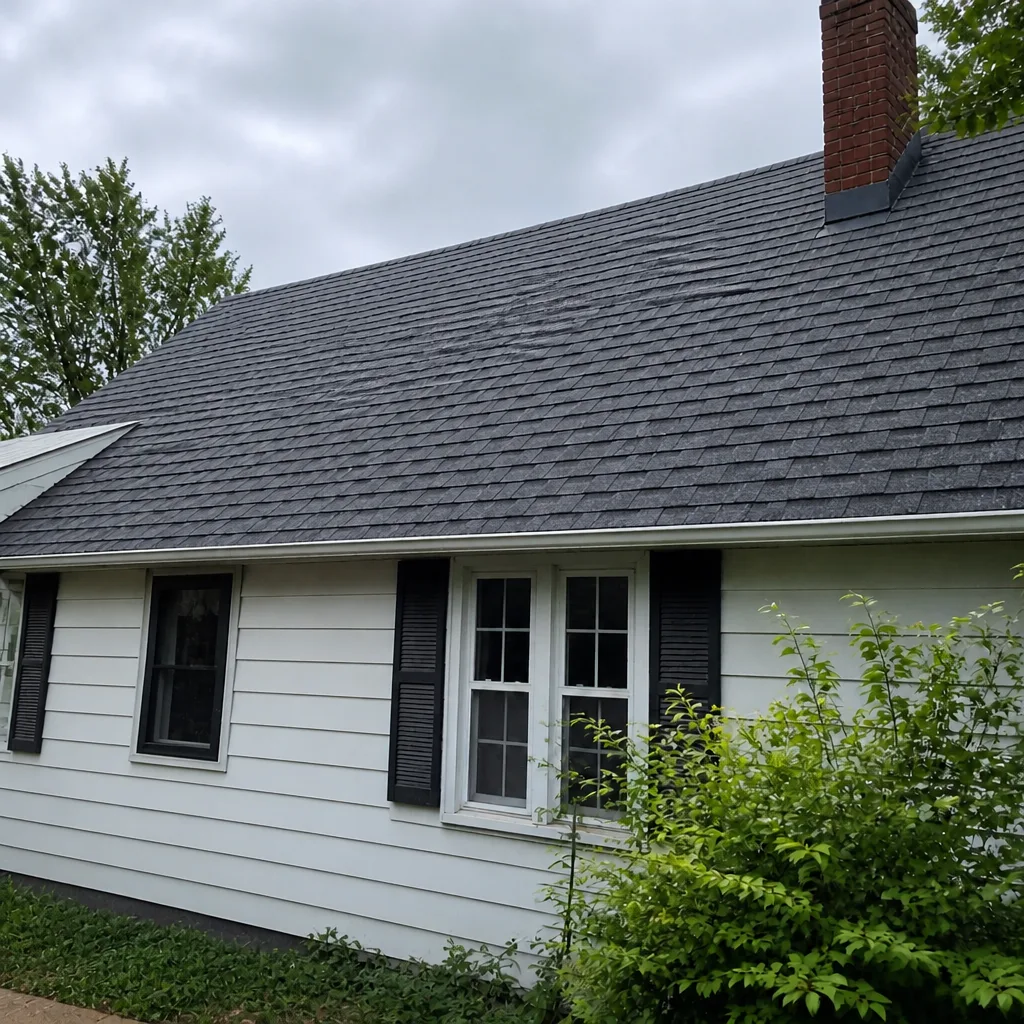 After
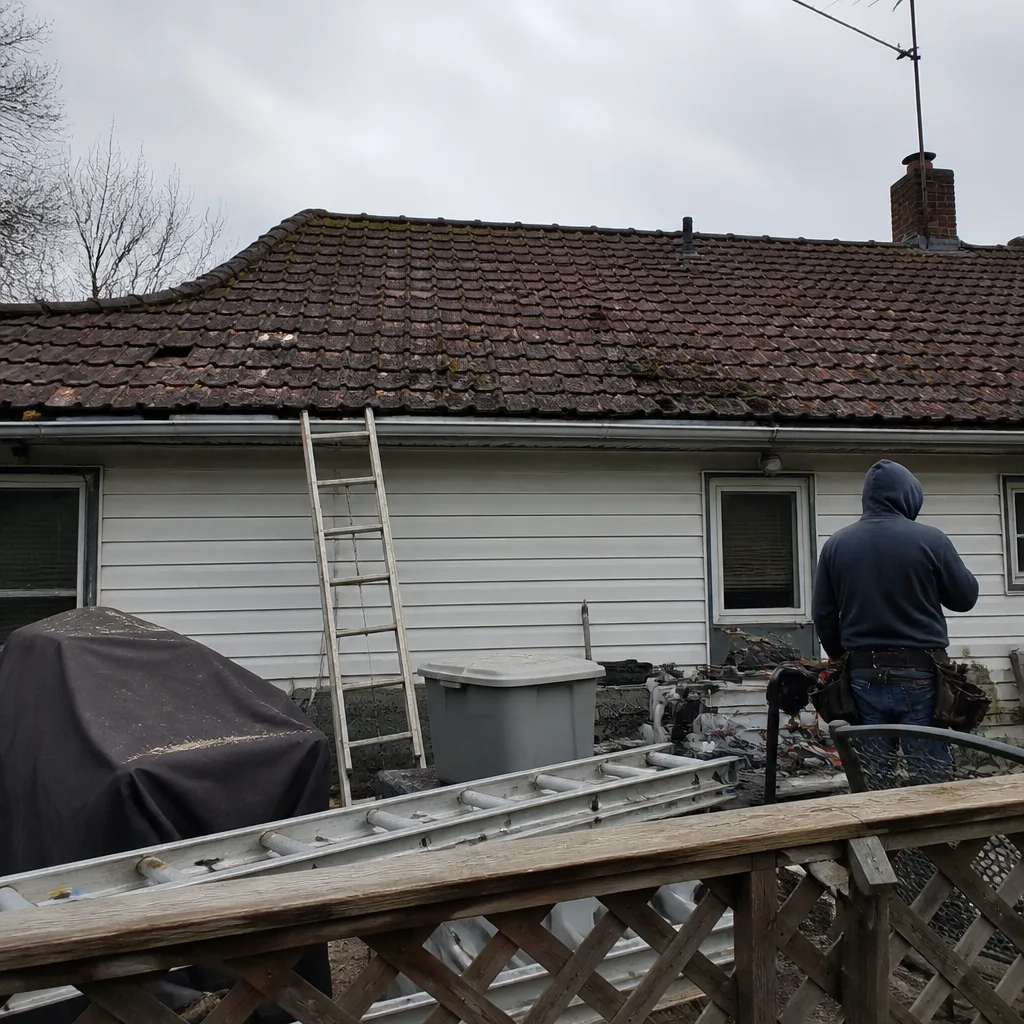 Before
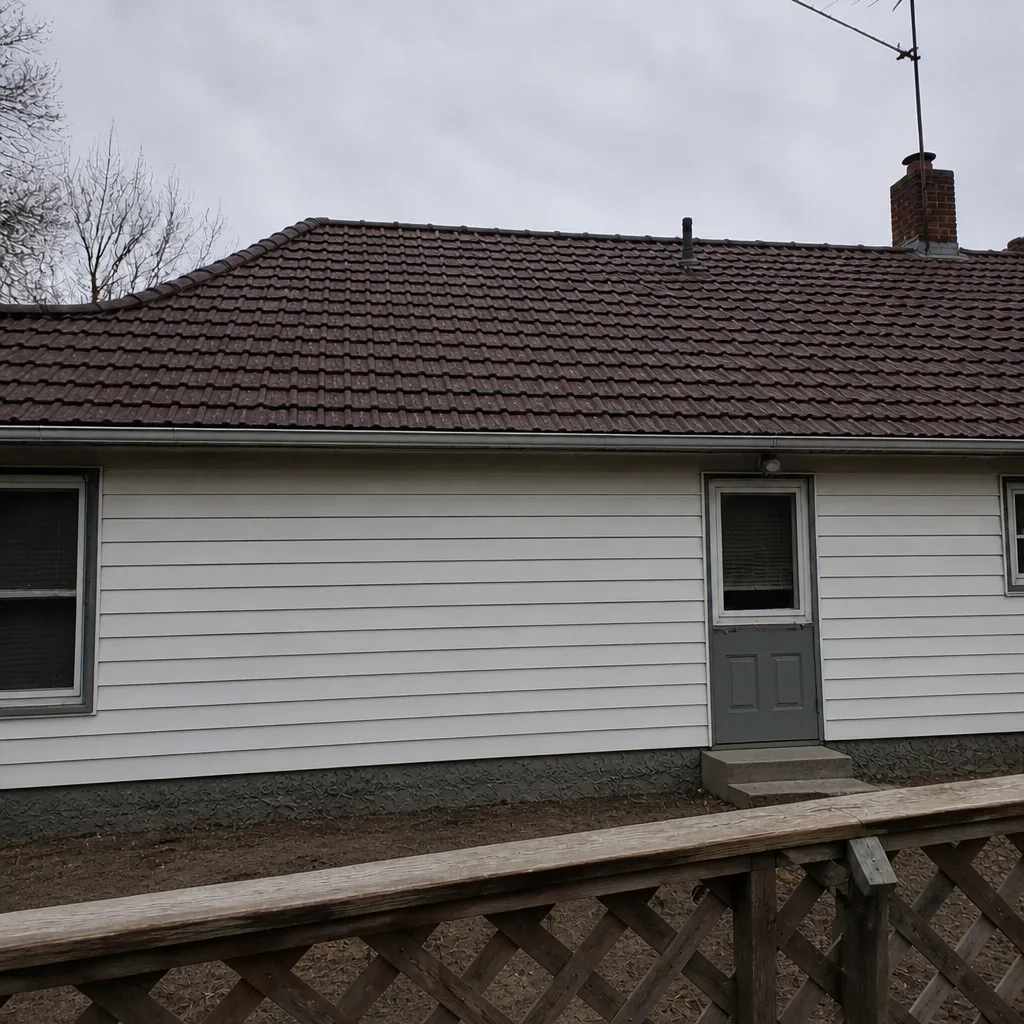 After
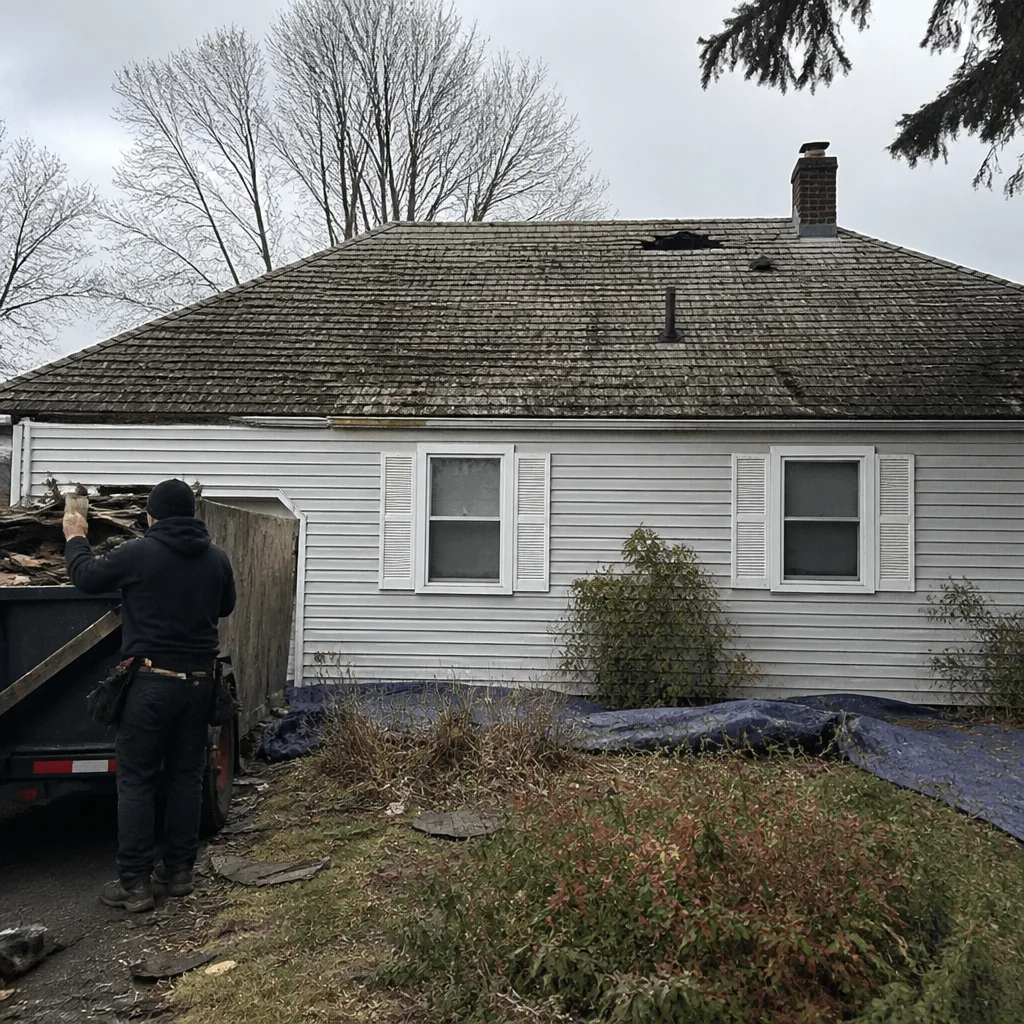 Before
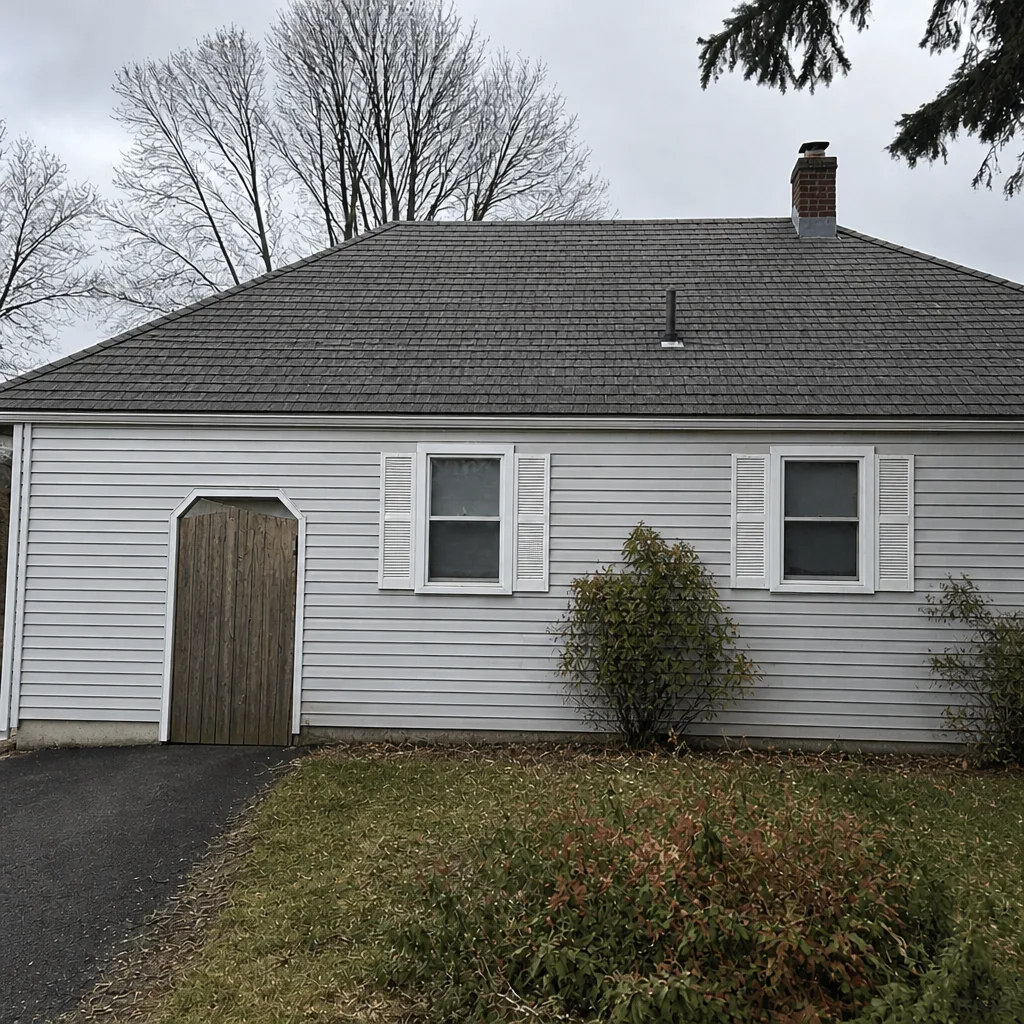 After
When to Call a Professional
If you’re noticing granules in the gutter, a stain on an attic ceiling, a shingle that’s lifted or missing after a storm, or ice damming at the eaves each winter, it’s time for an inspection. The brand question comes after the diagnosis, and getting a professional read on the roof’s condition is what tells you whether you’re looking at a repair or a replacement. Beyond obvious damage, call if you’re unsure which specification your roof actually needs, if you’re planning any roof replacement and want a material recommendation that isn’t tied to a contractor’s inventory, or if you’re working with an insurer and need documentation of a storm’s impact. Valor Roof Repair offers free estimates in Rochester. Call (855) 473-8654. We answer 24/7. Fast dispatch from 7am to 7pm, Sunday through Friday. A roof inspection from Valor is a diagnosis, not a sales pitch. Our technicians have up to 10 years of experience, and our written line-item estimates make it easy to confirm the material spec before any installation.
Frequently Asked Questions
There’s no single best brand, because the right shingle depends on your roof’s specific conditions and your budget. In Rochester, the priority is a shingle with strong low-temperature flexibility, a high wind uplift rating, and compatibility with a proper ice-and-water shield, given the lake-effect snow and freeze-thaw cycles. We compare brands on those specs rather than on market share, then match the recommendation to your roof. Call (855) 473-8654 for a free estimate and a spec-by-spec comparison.
Read each brand’s Product Data Sheet and compare the same five specs: wind uplift rating, impact resistance class, low-temperature flexibility, algae resistance, and ice-and-water compatibility. Build a simple table and score each brand on those five. The marketing takes care of itself once you have the numbers side by side. If you’d like help reading them, call (855) 473-8654 for a free estimate.
No. The longest manufacturer warranties often require certified installation and come with exclusions for ice damming, ventilation, and installation temperature that matter on a Rochester roof. A shorter warranty with fewer conditions can deliver more real protection. Check what the warranty covers, who it covers, and what voids it before you compare year counts. Call us at (855) 473-8654 for an honest read on what each warranty actually promises.
We install and work with seven nationally recognized brands: GAF, CertainTeed, Owens Corning, IKO, Atlas, Tamko, and Boral. That range covers premium, mid-range, and value tiers, so the recommendation can follow your roof’s condition and budget rather than a single manufacturer relationship. Call (855) 473-8654 to schedule a free estimate.
Ask what they’d recommend if they had no relationship with any brand, which spec on your roof is the weakest link, and what they’d suggest if you wanted the value tier. A contractor with genuine range answers all three with specifics. A contractor who names the same brand every time regardless of the roof is telling you something about the supply chain, not the material. Call (855) 473-8654 for a free estimate and a recommendation that’s driven by your roof.
It might, depending on your carrier and policy. Insurers often recognize higher impact resistance classes and wind uplift ratings, but the specifics vary by company. Ask your agent what documentation they’d need to credit a higher-rated shingle, and expect them to request the Product Data Sheet. Call (855) 473-8654 for a free estimate and help pulling the right spec sheet for your carrier.
No, and in fact the order should be the other way around. An inspection tells you whether the roof needs a repair or a replacement. The brand decision only matters for a replacement. Leading with the diagnosis first, then the material choice, keeps the recommendation tied to the roof’s actual condition rather than to a pre-chosen product. Call (855) 473-8654 to schedule a free inspection.
The Bottom Line
Roofing brand selection in Rochester comes down to matching tested product specs to this climate’s actual stresses, not to picking the most popular name. Compare brands on wind uplift, impact resistance, low-temperature flexibility, algae resistance, and ice-and-water compatibility. Read the Product Data Sheet for each one, and treat the warranty year count as one factor rather than the deciding one. Shop contractors for the ones who can recommend across brands, lead with repair before replacement, and hand you a written line-item estimate. Start with a diagnosis, let the roof’s condition drive the material choice, and choose from a range that spans premium, mid-range, and value tiers. Seven brands, one crew, the right material for your roof and your budget. That’s the standard we hold on Rochester roofs, and it’s what we’ll hold on yours.
If you’re ready for an honest read on your roof and a material recommendation that isn’t tied to inventory, call Valor Roof Repair at (855) 473-8654 for a free estimate. We answer 24/7. Fast dispatch from 7am to 7pm, Sunday through Friday. We inspect it honestly, then tell you exactly what it needs, repair or replace, nothing more.
Written by the team at Valor Roof Repair.