
Last updated November 14, 2026
 Metal roofing
 Architectural shingles
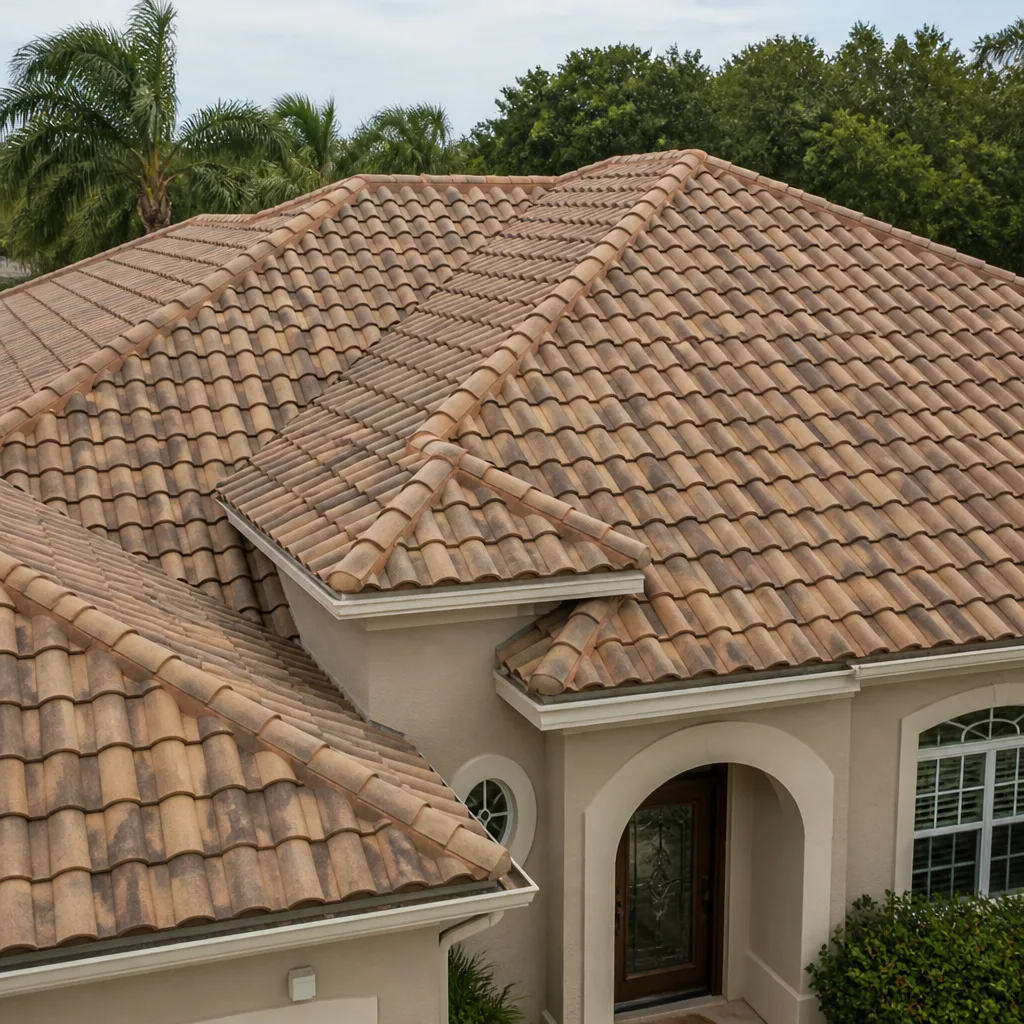 Tile roofing
 GAF
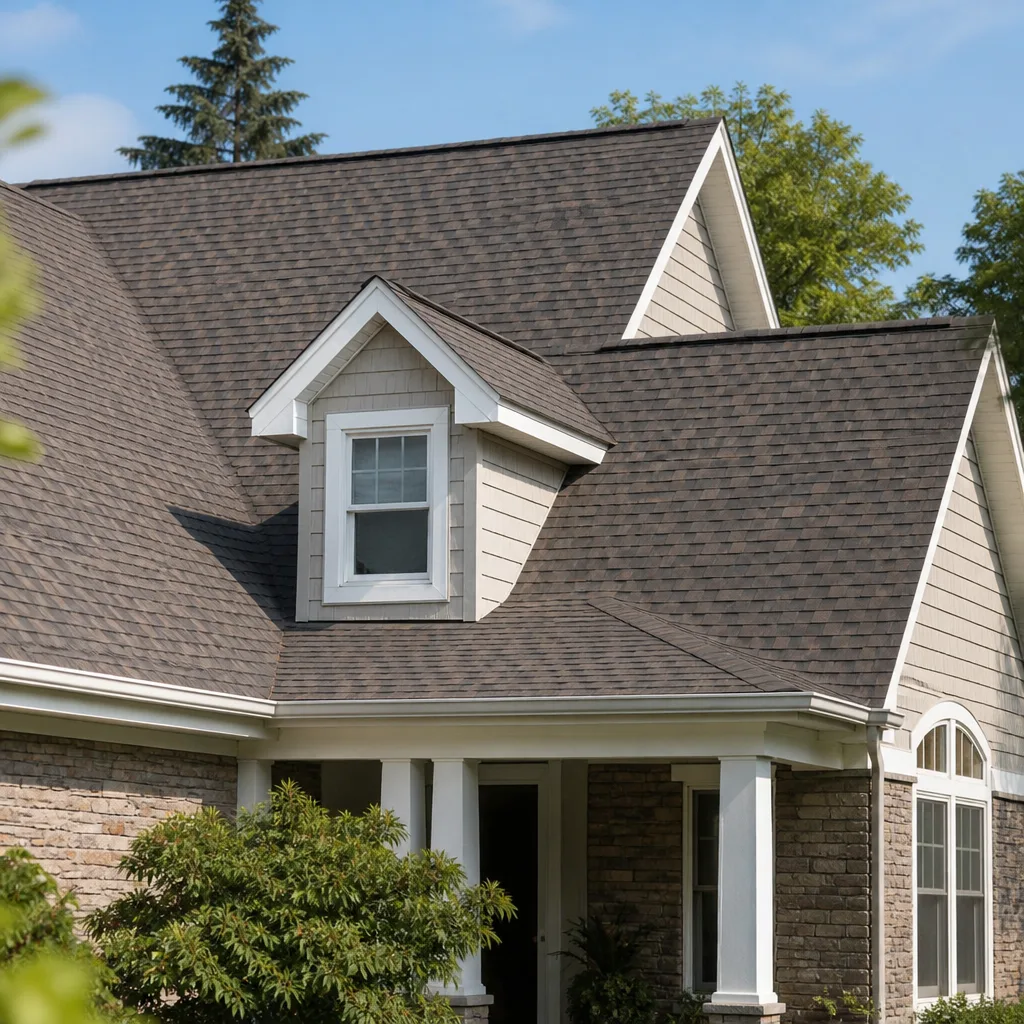 Owens Corning
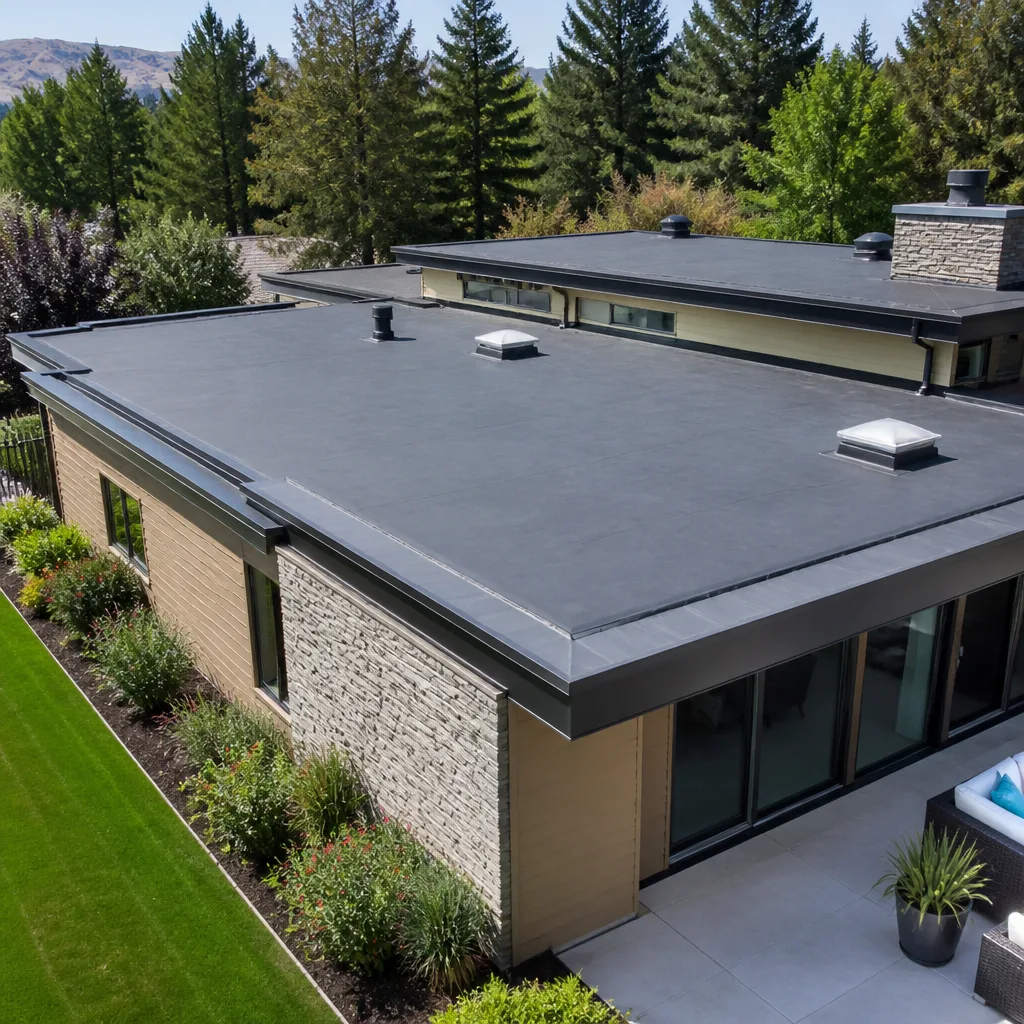 Flat & low-slope
Free roof inspection with deck photos before we talk money - GAF and Owens Corning certified installation
Seasonal Roofing Care for Rochester: Year-Round Homeowner’s Guide
The ice dam you’re chipping at in February was set up months earlier, by an attic ventilation gap that let warm air pool against the roof deck back in October. That’s the part most homeowners miss. Roof damage in Rochester rarely starts in the season you notice it. It starts one or two seasons earlier, quietly, and surfaces when the weather gives it a reason. This guide maps that cause-and-effect chain across all four seasons so you can act upstream instead of reacting to the leak that finally shows up on a ceiling. You’ll learn what each season actually does to a roof in Rochester, what to inspect and when, and how a simple photo habit protects you at claim time.
Quick Answer
Seasonal roof care in Rochester works best when you treat the four seasons as one connected cycle rather than four separate to-do lists. Fall debris and attic ventilation gaps set up winter ice dams, winter ice and meltwater open spring leak points, and summer UV and thermal cycling widen the damage those leaks started. The most useful habit is a short inspection and photo record each season, focused on attic ventilation, drainage, and the condition of your shingles and flashing.
Styles & brands we work with
- Architectural shingles
- Metal roofing
- Tile roofing
- GAF
- Owens Corning
- Flat & low-slope
Table of Contents
- Why Rochester Roofs Don’t Have a Slow Season
- Fall: The Season That Decides Your Winter
- The Pre-Winter Attic Inspection Protocol
- Winter: Ice Dams, Snow Load, and What Not to Do
- Spring: Monitoring the Melt Safely
- Summer: UV, Thermal Cycling, and Material Wear
- The Ten-Minute Photo Habit That Pays Off Later
- Repair or Replace? How to Decide Without Guesswork
Why Rochester Roofs Don’t Have a Slow Season
In much of the country, a roof gets a break. Here it gets four different tests in a row, each one building on the last. That’s the core idea behind seasonal roof care in Rochester, and it’s the reason a checklist that treats fall, winter, spring, and summer as unrelated tasks leaves you a step behind every time.
Think about the chain. Fall leaves and debris collect in valleys and behind chimneys, where they trap moisture and block drainage. That same fall, a small gap in attic insulation lets warm air escape against the roof deck. Winter arrives, snow sits on the roof, the warm deck melts the underside of that snow, and the meltwater refreezes at the cold eaves. That’s an ice dam, and it forces water up under the shingles. Come spring, that water has found its way into the deck and the attic, and it shows up as a stain or a drip. Then summer’s heat and sun bake the moisture-weakened areas and accelerate wear on the shingles that took the most stress.
Every season’s damage is usually discovered in the next one. Homeowners who understand that can inspect for the cause, not just the symptom. A roof inspection from Valor Roof Repair is a diagnosis, not a sales pitch, and the diagnosis almost always starts with what the previous season left behind. If you want the broader picture of what we do on a Rochester roof, that’s the place to start.
Fall: The Season That Decides Your Winter
Fall is the highest-leverage season on a Rochester roof, because almost everything that goes wrong in winter is set up in October and November. Getting fall right means winter has far less to work with.
The exterior side is mostly about drainage and shedding. Leaves pile up in roof valleys, in the pans behind chimneys, and along the lower edge of the roof. Wet leaves hold water against the shingles and block the path water needs to run off. Snow sitting on top of that debris can’t drain, and the first cold snap turns it to ice. Clearing the debris before the first hard freeze gives your roof a clean start.
Here’s what a practical fall walk-around covers:
- Valleys and behind chimneys: the two places debris collects first and drainage fails first.
- Flashing around chimneys, skylights, and vents: look for lifted, cracked, or pulled-away metal and sealant. Flashing failures are a leading source of spring leaks.
- Shingle field: note any curling, cracking, or missing tabs, especially on the south-facing slopes that take the most sun.
- Overhanging branches: limbs that touch or hang over the roof drop debris and scrape shingles in wind.
- Attic ventilation openings: confirm soffit and ridge vents aren’t blocked by insulation or debris. We cover this in more depth below.
None of this is about spotting a reason to replace your roof. It’s about giving the roof what it needs to get through winter, which is often a targeted repair or a clearing, not a new roof. When a fall inspection does turn up a problem, our roof repair work is sized to the actual issue.
The Pre-Winter Attic Inspection Protocol
Most ice dam problems start indoors, in the attic, and almost no homeowner checks the attic before winter. If there’s one section of this guide to act on, it’s this one. Ice dams form when heat escapes into the attic, warms the roof deck, and melts snow that then refreezes at the cold eaves. Stop the heat loss and you reduce the dam.
Do this from inside the attic, safely, before the snow flies. You’re looking for continuity: a steady, unbroken layer of insulation and a clear path for air to move from the soffits up and out the ridge.
- Look for warm-air leaks. Check around recessed lights, bathroom exhaust fans, and any penetration into the attic. Exhaust fans that vent into the attic instead of outdoors dump warm, moist air onto the deck and are a common culprit.
- Check insulation continuity. Gaps, compressed spots, and areas where insulation has pulled away from the joists let heat through. A continuous layer is the goal.
- Confirm soffit vents are open. Look at the intake vents under the eaves. If insulation has been pushed over them, intake air is choked off and the roof can’t ventilate.
- Check the ridge or other exhaust vents. Intake and exhaust have to work as a pair. If one side is blocked, the whole system stalls.
- Note moisture signs. Frost on the roof deck, damp sheathing, or staining tell you warm air is meeting cold surfaces. These are early warnings worth recording.
This is an inspection protocol, not a job to take on yourself if it means crawling through tight spaces or moving insulation near wiring. Our technicians have up to 10 years of experience reading these signals, and a pre-winter inspection is one of the most useful services we offer.
Winter: Ice Dams, Snow Load, and What Not to Do
Winter is when the fall setup shows itself. An ice dam is a ridge of ice at the eave that traps meltwater and forces it up under the shingles and into the deck. If you had warm-air leaks and debris in the fall, winter is when they get their chance to cause a leak.
Safety first. Never climb onto a snowy or icy roof to chip at ice, and never chip at an ice dam with a tool that can gouge the shingles. Roofs in winter are genuinely dangerous, and a fall is far worse than a water stain. The right move is to address the cause, not to battle the ice directly. A trained professional can assess the attic and the roof and recommend a safe course.
What you can do safely from the ground:
- Watch for icicles and ice ridges at the eaves. Heavy, persistent ice buildup there is the sign to investigate.
- Keep your snow load in perspective. Roofs are built to handle regional snow, but keep an eye out for any sagging, cracking, or interior door that suddenly sticks. Those are signs to call a professional rather than a do-it-yourself attempt.
- Stop ceiling leaks at the source. If water shows up inside, catch it safely and get the roof assessed. Water that’s reached the ceiling has usually been traveling for a while.
- Keep attic ventilation working. Don’t block vents with stored items. The whole point is to keep the deck cold and the attic dry.
When a winter problem turns out to be a real failure, the fix is often smaller than homeowners fear. But it needs to be diagnosed properly. Call (855) 473-8654 and we’ll get someone out. We answer 24/7, with fast dispatch from 7am to 7pm, Sunday through Friday.
Spring: Monitoring the Melt Safely
Spring melt is when the winter’s damage reports in. Water that got behind the shingles in winter shows up as it thaws and drains. The trick is telling normal spring condensation apart from actual ice dam damage, and doing it without putting yourself on a wet, sloped roof.
Water has a history, and that history leaves patterns. What you’re looking for is anything that looks like it travelled: a vertical stain that starts high and runs down, a wet patch that keeps reappearing in the same spot, or a dark ring at a ceiling edge. Normal condensation tends to be diffuse, on cold surfaces like window glass and pipes, and it clears as the weather warms.
Check these signs from safe ground or from inside:
- Attic staining: look at the sheathing and rafters for stains, dark streaks, or damp spots. A stain that maps to a spot above an exterior wall or eave points toward ice dam damage.
- Interior walls and ceilings: look for new water rings, peeling paint, or bubbling drywall, especially near the top of a wall where the ceiling meets it.
- Soffits and fascia: look for water staining, drips, or a sagging soffit, which can signal water tracking behind the fascia.
- Gutters and downspouts: after a melt, check that water is moving away from the house. Standing water at the foundation tells you drainage is blocked.
Note what you find with a photo and a date. If you do end up filing a claim, that record is worth far more than a memory of “sometime last spring.” If something looks like an active leak, don’t wait for it to get worse.
Summer: UV, Thermal Cycling, and Material Wear
Summer is the change you can’t see coming in the moment but will find next fall. Heat and sun do their quiet work all season, and the damage shows up later, often where winter leaks had already moistened the deck.
Two forces do the work. UV breaks down the surface of asphalt shingles over time, drying the oils that keep them flexible. Thermal cycling is the daily expansion and contraction as the roof heats and cools, and it’s especially hard on the south-facing slopes that bake in the sun all day. Those slopes age faster than north-facing ones. That’s why a roof can look fine from the driveway and still be near the end of its life on the sun-exposed side.
Material matters here. Asphalt shingles in the mid-range from Valor Roof Repair brands like GAF and CertainTeed hold up well under Rochester’s UV load, while high-value options like IKO and Tamko give a solid budget option. Boral makes clay and concrete tiles that resist UV differently, though they’re a consideration more for specific home styles. Different materials age at different rates; we install them all. Choose your material, and we install it, which means the recommendation follows your roof and budget, not what’s in stock.
What to watch for on a summer roof:
- Granule loss: check gutters for gray grit. Heavy granules in the gutters mean the shingles are shedding their UV protection.
- Curling or clawing: shingle edges that lift and curl are showing thermal wear and are more prone to wind damage.
- Blisters or bare spots: exposed, sand-papery patches show worn-through surfaces that need attention.
- Soft or spongy spots: a sign of deck problems underneath.
Summer is also the safest season for a roof inspection. If your fall inspection had to be brief, book the thorough one now.
The Ten-Minute Photo Habit That Pays Off Later
Roof issues are easy to argue about and easier to prove with a photo and a date. A short documentation habit takes under ten minutes a season and gives you a running history when you need it most. It’s the cheapest insurance against a surprise claim denial.
Do it the same way each season so the photos are comparable:
- Shoot the four exterior sides from the ground at roughly the same angles each time.
- Get close-ups of the problem areas: valleys, behind the chimney, flashing around skylights, and the eaves.
- Photograph the attic: the sheathing, any staining, and the insulation along the eaves, with the lights on.
- Note interior water signs: ceilings, wall tops, and the soffits, with something for scale.
- Keep a simple log: date, what you shot, and any change since last time. A note on your phone is enough.
When spring comes and you want to know whether a stain is new or old, the answer is in the fall photos. If you do have to file a claim, that record does a lot of work for you. And if you’d rather not manage it alone, we can document a professional inspection for you and note the condition over time.
Repair or Replace? How to Decide Without Guesswork
The honest answer is that many damaged roofs don’t need a full replacement, and some aging roofs do. The difference comes down to the extent of the damage, the age and condition of the shingles, and whether the deck underneath is sound. That’s the core reason we built our name on repair. We inspect it honestly, then tell you exactly what it needs, repair or replace, nothing more.
Here’s how we think about the decision. Localized damage, a failed flashing joint, a few lifted or missing shingles, or one worn slope can often be repaired without tearing off the whole roof. Damage spread across multiple slopes, widespread granule loss and curling, or active moisture in the deck usually points toward replacement. And with seven brands across premium, mid-range, and value tiers, a replacement recommendation can be matched to your budget instead of steered toward the most expensive option. The full scope of a new roof lives on our roof replacement page.
A few questions worth asking any roofer, ourselves included:
- Is the damage approachable as a repair, or is the condition broadly worn out?
- What’s the condition of the flashing and the deck beneath the surface?
- If repair is an option, what can be expected from it, and what would tip the decision to replacement later?
Common Mistakes to Avoid
- Treating the four seasons as four separate checklists. The ice dam in February was a fall ventilation gap. If you just chip the ice and don’t fix the attic, it returns next winter.
- Skipping the attic. Almost every guide talks about the shingles and skips the attic. Fall heat loss is the leading cause of ice dams, and it starts indoors.
- Chipping ice off a frozen roof. It’s dangerous and it damages shingles. Address the cause instead of the ice.
- Letting fall debris sit through the freeze. Wet leaves in a valley block drainage all winter. Clear them before the first hard freeze.
- Ignoring south-facing slopes. In Rochester, the roof facing the sun all day ages faster, and it’s the slope you’re most likely to miss from the ground.
- No photo record. Without a dated history, a new stain looks like an old one. Ten minutes a season prevents that argument.
- Assuming a leak means a new roof. Many leaks are a repair. Get a diagnosis before ruling anything in.
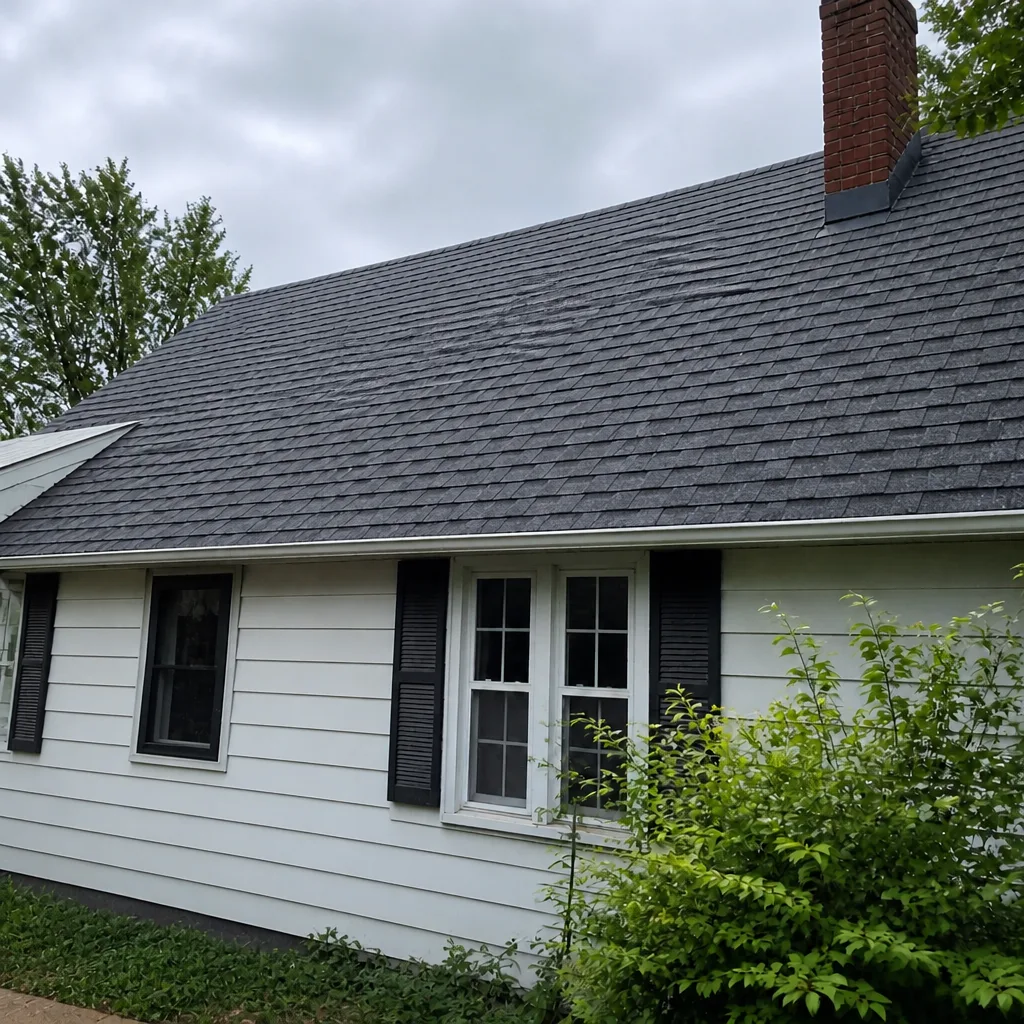
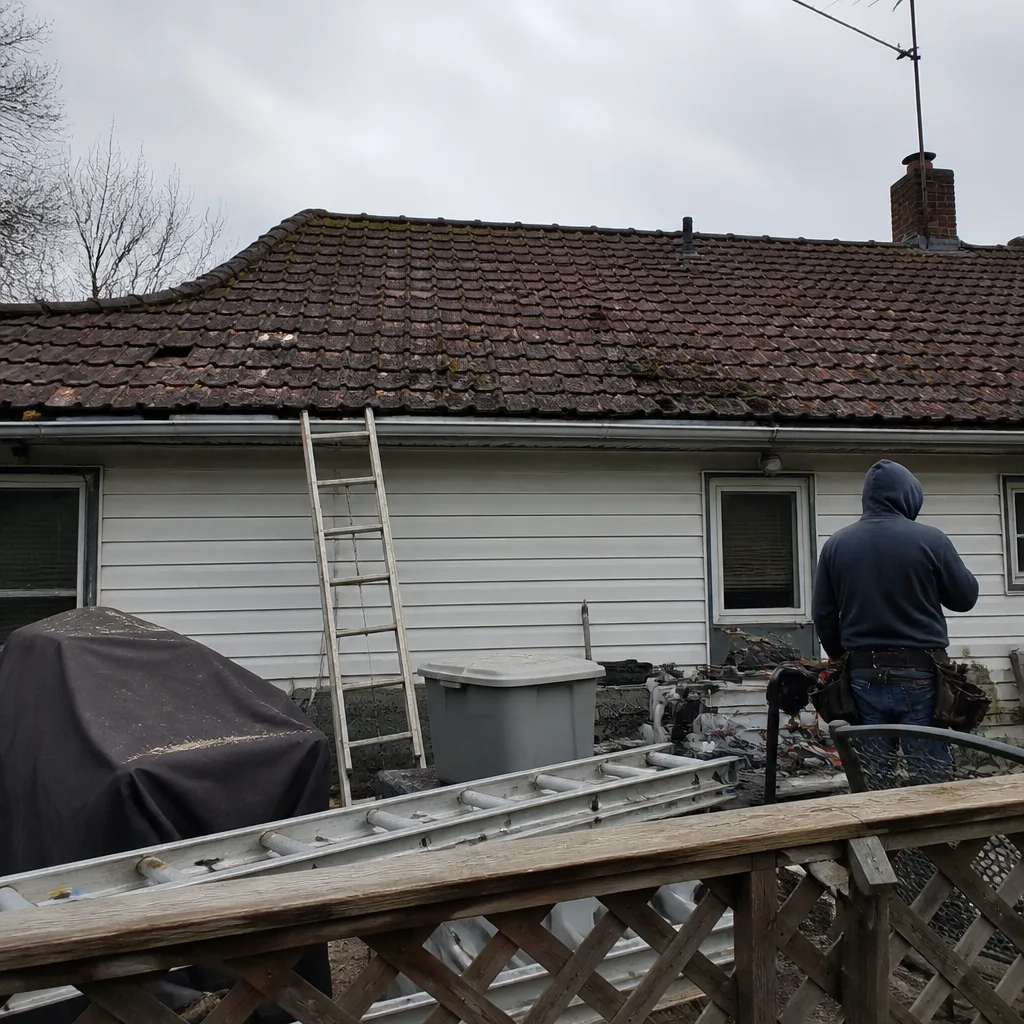
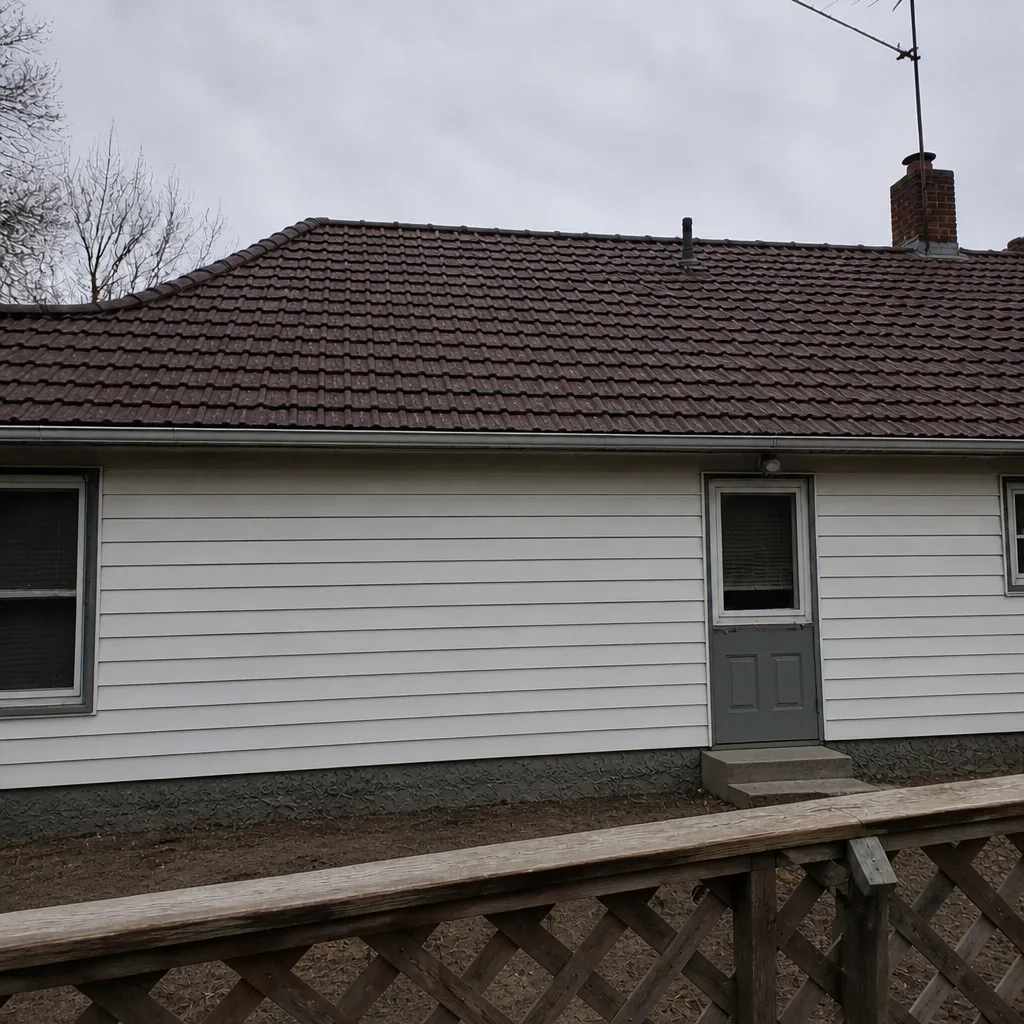
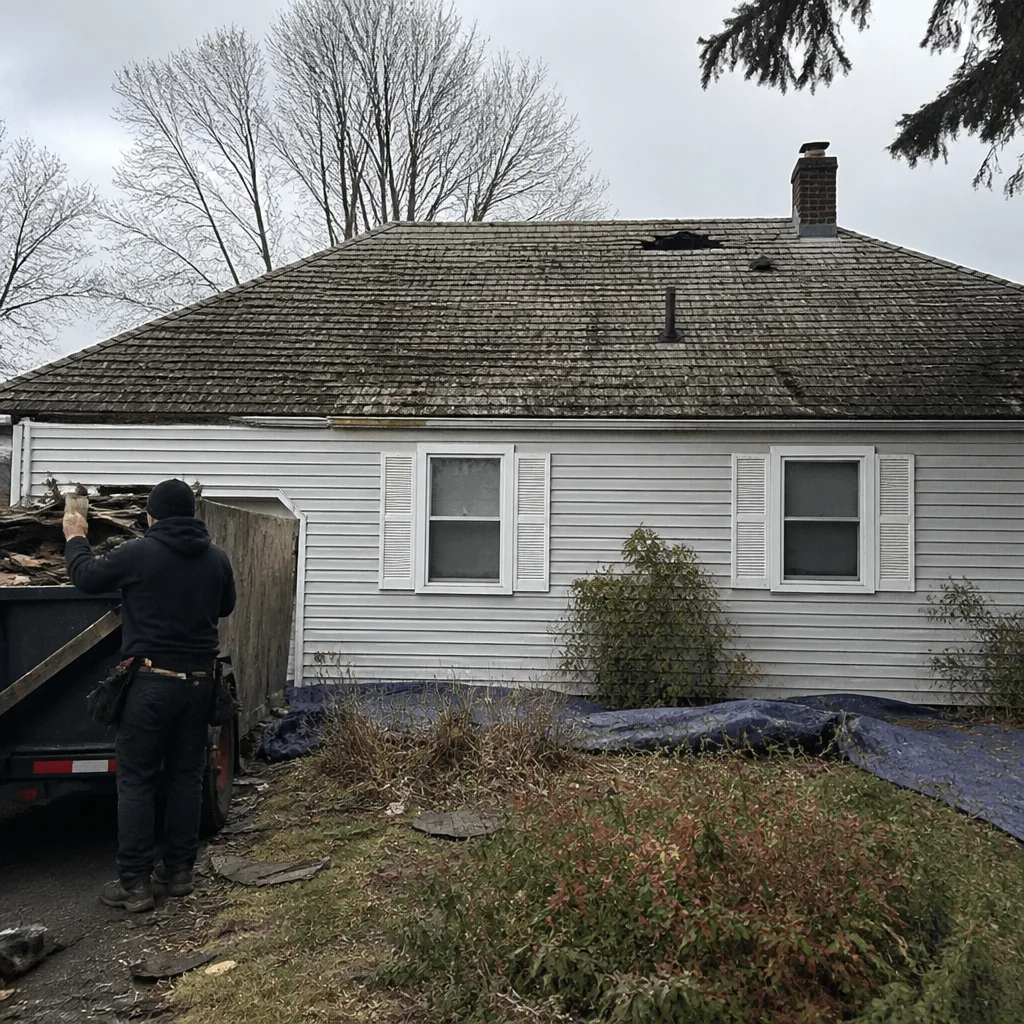
See the difference
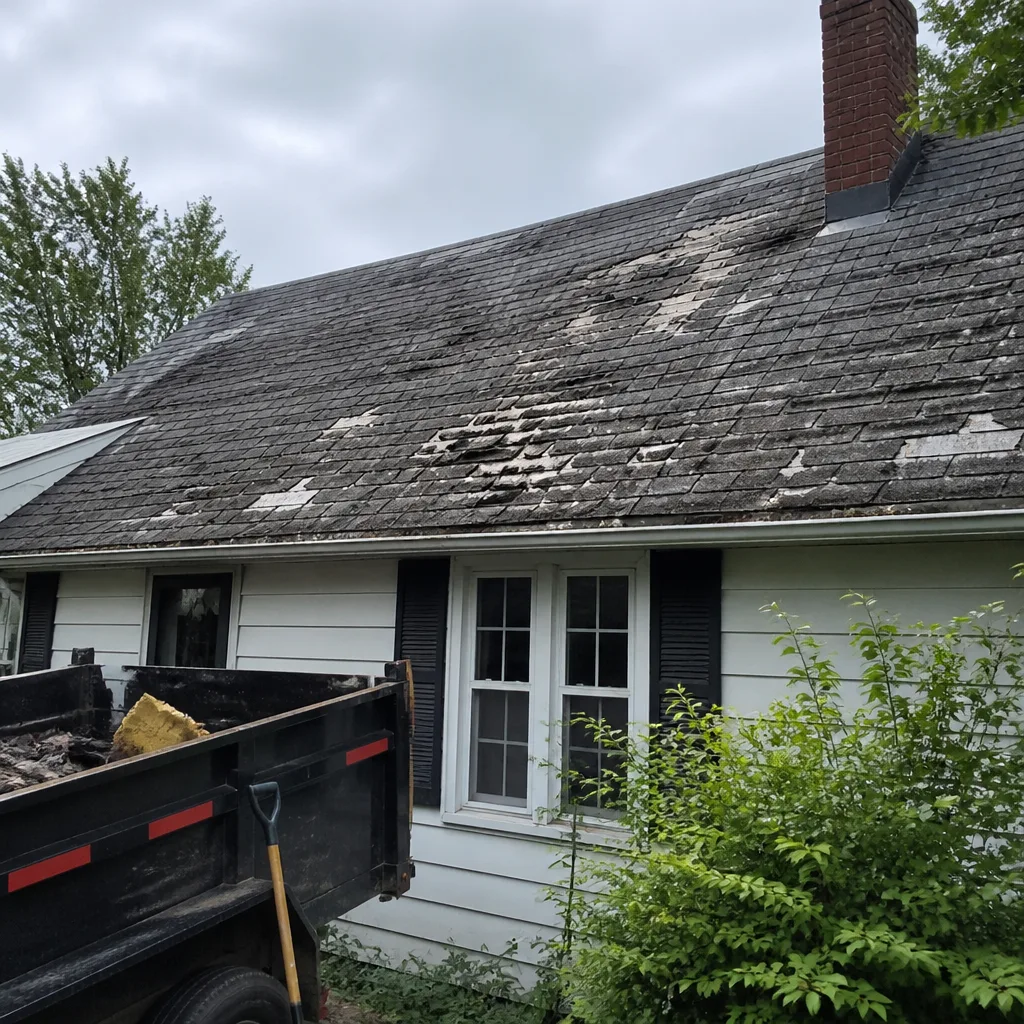 Before
 After
 Before
 After
 Before
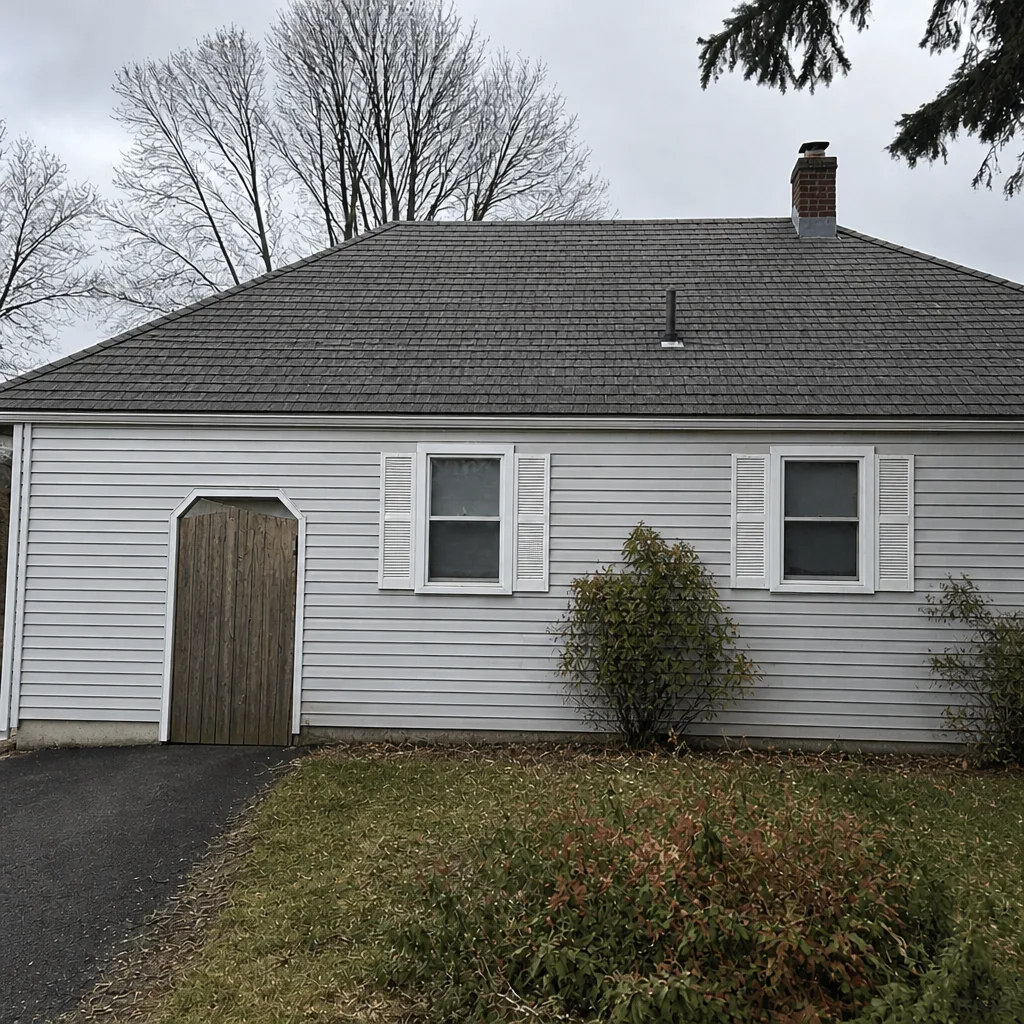 After
When to Call a Professional
Call a professional when you find active water inside, when an ice dam has clearly forced water under the shingles, when any part of the roof sags or feels soft, when attic staining shows water travelled behind the shingles, or when you’re not comfortable on the roof at all. Winter climbs, wet spring roofs, and steep slopes are genuinely dangerous, and a trained inspector reading the same roof will spot more than a ground-level walk-around can.
Valor Roof Repair offers free estimates in Rochester and performs honest inspections, repairs, and replacements from one company, so nothing gets lost between contractors. Call (855) 473-8654. We answer 24/7. Fast dispatch from 7am to 7pm, Sunday through Friday.
Frequently Asked Questions
Fall is the most important season because it sets up all four. Clearing debris and fixing attic ventilation gaps before winter directly reduces the chance of ice dams and the spring leaks they cause.
You’ll usually see it in spring melt: stains on the attic sheathing, water rings on ceiling or wall tops, or persistent drips near the eaves. Note them with a date and get a professional inspection; water that’s reaching your interior has been travelling for a while. Call (855) 473-8654 to schedule a free inspection.
No. Do the interior attic checks and the photo walk-around from the ground, and leave the roof surfaces to a trained inspector. Climbing a snowy, icy, or wet roof is a serious risk, and a trained professional will see more anyway.
UV and thermal cycling work all summer but show up later, usually in fall or the next spring. Granule loss, curling edges, and bare spots on sun-exposed slopes are the signs; south-facing slopes wear fastest in Rochester.
No. Many leaks and ice dam problems are fixed with targeted repair. A roof replacement is the right call when the condition is broadly worn out. Get an honest diagnosis before deciding.
You can safely clear ground-level debris, check the attic, and keep the photo log. Roof work, winter climbs, and anything that puts you on a slope should go to a professional. Call (855) 473-8654 for a free estimate and choose the service tier that matches your roof.
The Bottom Line
Rochester roofs don’t have a slow season. Each season delivers its own kind of wear, and the damage is usually discovered in the next one. The fix is to act upstream: clear fall debris and fix attic ventilation before winter, protect against ice dams instead of chipping at them, document spring melt and summer wear with a dated photo record. That chain of care is what keeps a roof ahead of the weather. When you want an honest read on your roof, whether repair or replacement is the right call, we’ll diagnose it and tell you plainly. Our technicians have up to 10 years of experience, we install materials from seven major brands, and we keep it to a repair-first approach.
Call (855) 473-8654 for a free estimate. We answer 24/7. Fast dispatch from 7am to 7pm, Sunday through Friday.
Written by the team at Valor Roof Repair.